
Allergies in dogs
21st April, 2026

Allergies in dogs happen when the immune system reacts to something harmless, causing symptoms like itchy skin, irritation and discomfort. Some dogs experience allergies year round, while others only flare up seasonally, much like hay fever in humans. Spotting the signs early and understanding the causes of dog allergies can help keep your pet comfortable.
Understanding your dog's allergy symptoms
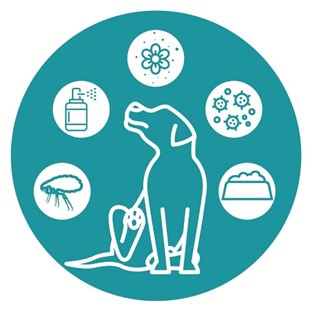
Dogs can react to a wide range of environmental and food-related allergens such as pollen, grass, mould, dust mites, fleas, or certain proteins.
When exposed, their immune system releases histamines, causing inflammation, irritation and discomfort
This reaction can lead to a range of symptoms, including:
- Persistent itching, licking, or chewing
- Skin redness, rashes or hives
- Hair loss caused by scratching
- Recurring ear infections
- Digestive upset (vomiting or diarrhoea)
- Sneezing, coughing, or wheezing (less common)
If you spot any of these, a vet check is essential so underlying conditions can be ruled out and appropriate allergy testing arranged.
Main causes of allergies in dogs
Allergies in dogs can be triggered by a variety of factors. These include:
- Environmental allergens: These include pollen, house dust mites, mould spores, and other airborne allergens. Dogs can inhale these allergens or come into contact with them through their skin.
- Food allergies: Some dogs can be allergic to certain foods or food ingredients such as wheat, dairy, chicken, or beef.
- Flea allergies: When a flea bites a dog, it leaves behind saliva. Some dogs are allergic to this saliva, resulting in a condition called flea allergy dermatitis.
- Contact allergens: These are allergens that cause allergic reactions when they come into contact with a dog's skin. Examples include certain types of grass, plants, carpets, or cleaning products.
Identifying allergies in dogs
Identifying allergies in dogs can be difficult as the dog's allergy symptoms often mimic other health conditions. However, if your dog is showing any of the following signs, they may be suffering from allergies.
Common allergic symptoms in dogs
- Itching and scratching: This is the most common symptom of allergies in dogs. Dogs may scratch or lick their skin excessively, leading to redness, swelling, and sometimes, secondary skin infections.
- Skin rashes: Dogs with allergies may develop rashes or hives on their skin. These rashes can appear anywhere but are most common on the belly, feet, and ears.
- Hair loss: Allergic reactions can lead to hair loss or alopecia in dogs. This usually occurs due to excessive scratching or licking.
- Ear infections: Dogs with allergies often suffer from recurring ear infections. Symptoms include head shaking, scratching at the ears, and a foul smell from the ears.
- Digestive issues: Some dogs may experience vomiting, diarrhoea, or other digestive problems due to food allergies.
- Respiratory symptoms: Although less common, some dogs can exhibit respiratory symptoms such as coughing, sneezing, reverse sneezing and wheezing.
It's essential to consult a veterinarian if you notice any of these common symptoms in your dog. They can perform allergy testing to determine whether your dog has an allergy and, if so, identify what's causing your pet's allergies.
How do I know what food my dog is allergic to?
Just like humans, our four-legged friends can also develop food allergies. The question is, how do I know what food my dog is allergic to?
Noticing the signs is the first step, your dog might exhibit symptoms such as:
- Skin irritation
- Chronic ear infections
- Digestive problems like vomiting and diarrhoea
- Behavioural changes
These symptoms can occur immediately after a meal or even hours later making it hard to pinpoint the exact allergen, vets usually recommend a food elimination diet, feeding a simplified diet for 6–8 weeks, then reintroducing ingredients one at a time to identify the trigger. Blood or skin tests may also be used in some cases.
Are certain dog breeds more likely to have allergies?
When it comes to our four-legged friends, it's often surprising to find that, just like humans, they too can suffer from allergies. But are certain breeds more likely to have allergies? The answer is yes, some breeds are indeed more susceptible.
Breeds such as Bulldogs, Retrievers, and Terriers seem to be more prone to environmental allergies. They might react to dust, molds, or pollens, resulting in itchy skin, sneezing, or even digestive issues.
Shih Tzus, Boxers, and Dalmatians are more inclined towards food allergies that can cause skin irritations and gastrointestinal problems.
Cocker Spaniels and German Shepherds are known to be more sensitive to flea allergies.
That being said, any dog can develop allergies at any age, regardless of its breed.
Managing dog allergies
Managing dog allergies involves avoiding the allergen, administering medication, and making dietary changes.
Allergen avoidance
Avoidance is the most effective way to manage allergies in dogs. This involves identifying and eliminating environmental allergies.
For dogs that are sensitive to pollen and other outdoor irritants don't walk your dog through tall grasses or meadows, particularly during spring and autumn when pollen counts are higher.
Try to also tailor your daily walks to times when the pollen count is lowest, normally between 5am and 10am.
Medication
Medication can be used to treat the symptoms of allergies in dogs.
Antihistamines, corticosteroids, and other anti-inflammatory drugs can help reduce itching and inflammation.
In severe cases, immunotherapy (allergy shots) may be recommended.
Dietary changes
Diet can play a significant role in managing allergies in dogs. Some dogs may benefit from a hypoallergenic diet, while others may need supplements to boost their immune system.
Always consult your vet before making any significant changes to your dog's diet.
Food allergies or intolerances can be tested for by carrying out a dietary exclusion trial. This involves feeding your pet an alternative diet for a period of 6-8 weeks.
The choice of the dogs food is very important and your vet will advise you on the most appropriate diet to use.
Allergy testing for dogs
If you suspect that your dog has an allergy, your veterinarian may recommend allergy testing to determine the underlying cause. Allergy testing in dogs can be done through blood tests or skin tests.
Blood testing can detect antibodies to specific allergens, while skin testing involves injecting small amounts of allergens under the skin and observing the reaction.
Once the allergen is identified, your veterinarian can develop a treatment plan.
Treating allergies in dogs
Treatment for allergies in dogs depends on the cause of the allergy and the severity of the symptoms. Your vet will be able to recommend the best treatment plan for your dog.
Topical treatments
Topical treatments such as creams, ointments, and medicated shampoos can help soothe itchy skin and reduce inflammation.
Oral medications
Oral medications can be used to control itching and other allergy symptoms. These may include antihistamines, corticosteroids, or other anti-inflammatory drugs.
Immunotherapy
Immunotherapy is a long-term treatment option for dogs with allergies. It involves exposing your dog to small amounts of the allergen over time to help their immune system build tolerance.
Dietary and natural supplements
Just like with human medicine, some dog owners prefer to use natural remedies to treat their dog's allergies. Some natural remedies for allergies in dogs include:
- Coconut oil: Coconut oil can help moisturize dry skin and reduce inflammation.
- Omega-3 fatty acids: Omega-3 fatty acids can help reduce itching and inflammation.
- Probiotics: Probiotics can help support your dog's immune system and reduce inflammation.
- Apple cider vinegar: Apple cider vinegar can help soothe itchy skin and reduce inflammation.
- Chamomile: Chamomile can help reduce inflammation and soothe itchy skin.
While natural remedies can be effective for some dogs, it's important to talk to your veterinarian before trying any new treatments.
Preventing allergies in dogs
While allergies in dogs can't always be prevented, there are some steps you can take to reduce the risk of allergic reactions. Some tips for preventing allergies in dogs include:
- Keeping your dog's environment clean and free of allergens
- Using flea preventative medications
- Feeding your dog a high-quality diet
- Avoiding potential allergens
- Regular grooming to remove allergens from your dog's coat
Tips for managing allergies in dogs
If your dog has allergies, there are some steps you can take to manage their symptoms.
Some tips for managing allergies in dogs include:
- Regular grooming to remove allergens from your dog's coat
- Using a cool compress to soothe itchy skin and avoid severe itching
- Using a cone to prevent your dog from scratching and licking
- Using a hypoallergenic shampoo
- Sticking to a consistent diet
Daily Tips for Managing an Itchy Dog
- Bathe regularly with hypoallergenic or medicated shampoo
- Use a cool compress on inflamed areas
- Prevent excessive scratching with a protective collar
- Keep their diet consistent
- Brush frequently to remove pollen, grass and dust
These steps help reduce flare-ups and keep itchy dog skin under control.
Have any studies into dog allergies been carried out?
Absolutely, several studies into dog allergies have been carried out over the years. The world of science has continually strived to understand the causes, symptoms, and possible treatments for dog allergies.
These studies have uncovered that dog allergies are caused by a reaction to proteins found in a dog's skin cells, urine, or saliva.
Research has also shown that exposure to dogs at an early age may help reduce the likelihood of developing these allergies.
Interestingly, one study even found that certain dog breeds may be more likely to cause allergies than others.
These research efforts have not only deepened our understanding of allergies but also helped improve the lives of both dogs and their owners.
Despite the progress made, there is still much to learn about dog allergies, with ongoing studies continuously seeking more answers. The findings from these studies are essential and showcase the significance of continued research in this area.
Conclusion

Allergies in dogs can be a challenging condition to manage, but with the right care and treatment, your dog can lead a comfortable and happy life. Remember, if you suspect your dog has allergies, always consult a vet for an accurate diagnosis and treatment plan.
Treating allergies in dogs can be expensive, especially if your dog requires ongoing treatment*. To help manage these costs, consider getting dog insurance.
If you're interested in getting a quote for your furry friend, you can do so through our website. You can also get in touch with one of our dog insurance specialists at 0330 102 5748.
With the right care, understanding, and treatment, your dog can live a happy and comfortable life, despite having allergies. Just remember, early detection and treatment are key to managing allergies in dogs.
*Here at Purely Pets, we will not cover pre-existing conditions that have been noted prior to the policy inception
Helpful Pages
Recent Posts





Pet Insurance Quote
- 98% claims paid *
- Claims paid directly to vets
- 24/7 vet video consultations
- Interest free monthly payments