
How to care for an old cat
26th August, 2026
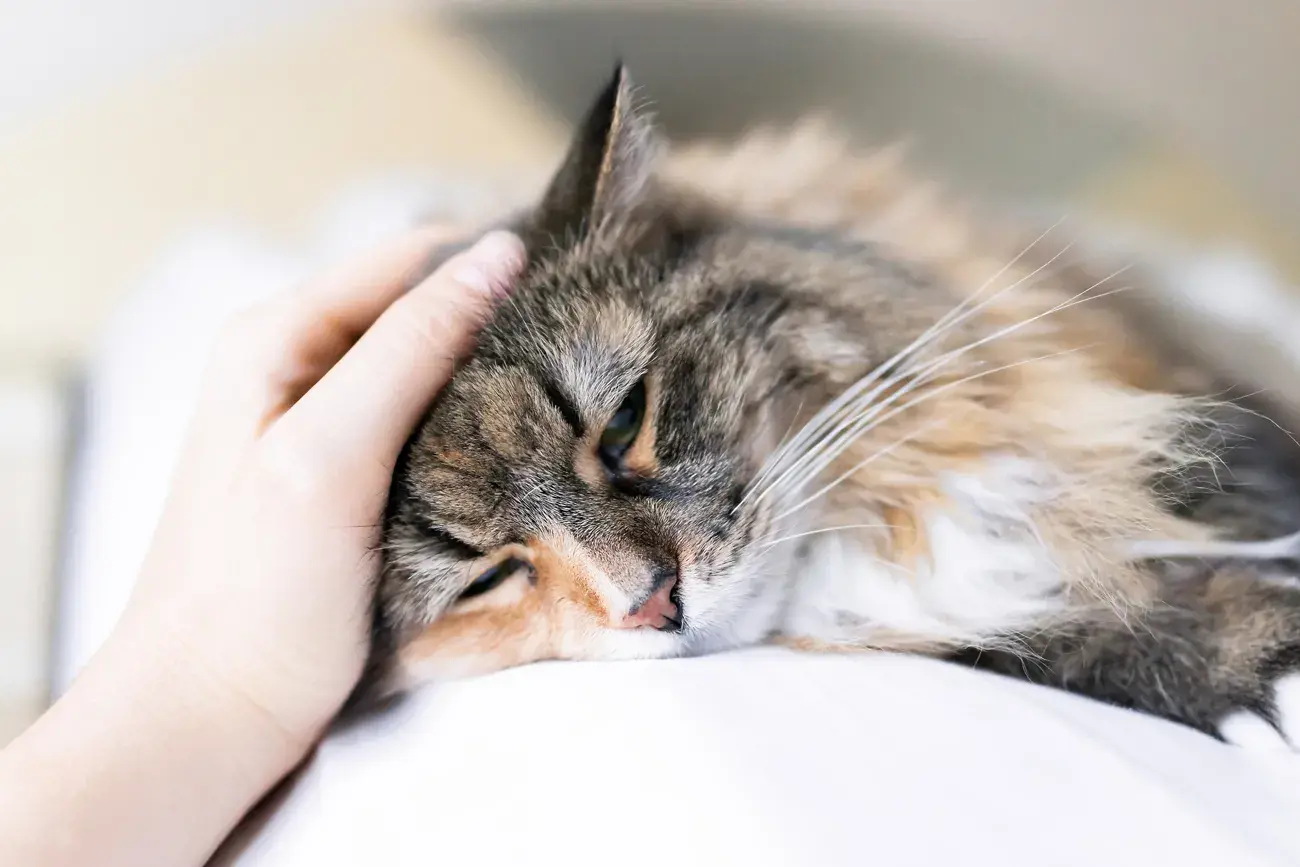
As cats grow older, their needs naturally begin to change. You may notice your cat sleeping more, moving more slowly, or becoming less adventurous than before. These shifts are a normal part of ageing, but they also signal that your pet may need a little extra support.
Caring for your elderly cat doesn’t have to be complicated. Often, small adjustments to their daily routine and environment can make a significant difference to their comfort and quality of life. As highlighted in this guide, even subtle changes in behaviour may also indicate underlying issues, making regular attention and care particularly important.
In this guide, we explore everything you need to know about elderly cat care, including home adaptations, grooming, diet, and health support.
When is a cat considered old?
Understanding your cat’s life stage is the first step in providing the right care.
Cats age differently from humans, and the commonly used “multiply by seven” rule is not an accurate reflection of feline ageing. Instead, many experts classify cats as:
-
Mature: 7–10 years
-
Senior: 11–14 years
-
Super senior: 15+ years
While every cat ages at their own pace, reaching these milestones often comes with changes in behaviour, mobility, and health needs.
Creating a comfortable environment for your senior cat
As your cat ages, everyday activities can become more challenging. One of the most effective ways of supporting your elderly cat is by making simple adjustments around the home.
Make resting areas more accessible
Older cats still love cosy sleeping spots, but they may struggle to reach higher surfaces. Providing:
-
Soft, warm bedding
-
Steps or ramps to sofas or beds
-
Easily accessible resting areas
can help ensure your cat stays comfortable without unnecessary strain.
Purely Pets emphasises that helping your cat access favourite resting spots can significantly improve comfort as mobility declines.
Supporting grooming and coat care
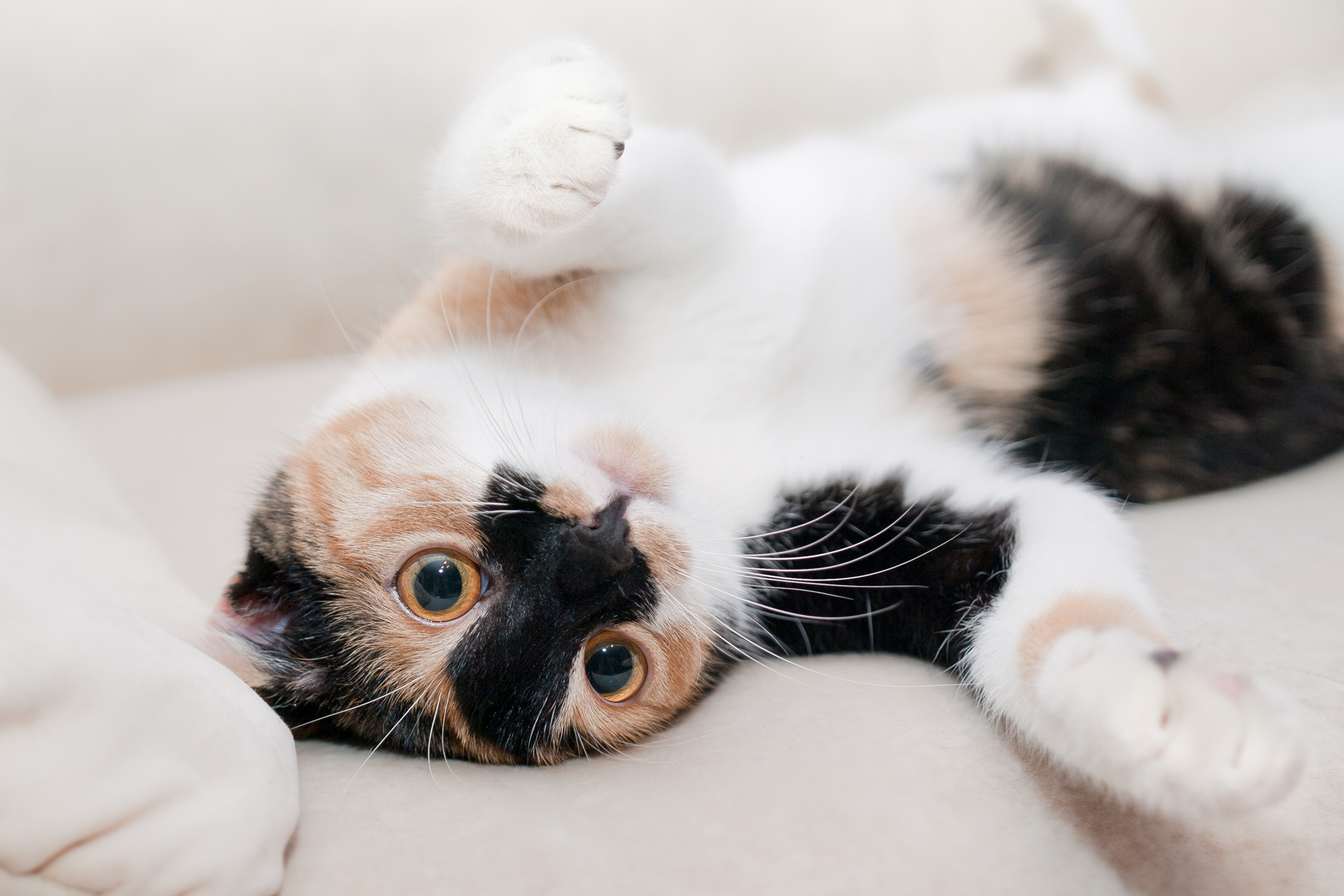
Grooming is an important part of caring for your elderly cat.
As cats age, they may lose flexibility or coordination, making it harder to groom themselves effectively. You may notice:
-
A dull or untidy coat
-
Matting or tangles
-
Reduced grooming behaviour
How to help
-
Gently brush your cat regularly
-
Check for lumps, skin issues, or parasites
-
Keep grooming sessions short and calm
Regular grooming not only maintains your cat’s coat but also strengthens your bond and allows you to spot potential health concerns early.
Claw care for older cats
Claw maintenance becomes especially important in senior cat care.
Older cats may use scratching posts less frequently, which can lead to overgrown claws. In some cases, claws may even grow into the paw, causing discomfort.
What you can do
-
Check claws regularly
-
Trim them if necessary
-
Provide low, accessible scratching surfaces
Purely Pets highlights that monitoring claw growth is essential to avoid discomfort or injury as cats age.
Helping your cat navigate the home
Senior cats often experience reduced mobility, making it harder to jump or climb.
Simple adjustments
-
Add ramps or steps to high areas
-
Provide multiple resting locations
-
Keep essentials (food, water, litter) within easy reach
These changes help reduce strain and allow your cat to maintain independence.
Managing toilet habits
Changes in toilet behaviour are common in elderly cats. Reduced mobility or cognitive changes may make it more difficult to access litter trays.
To support your cat
-
Use a litter tray with low sides
-
Place trays in easily accessible areas
-
Keep them clean and consistent
These small changes can help prevent accidents and reduce stress for your cat.
Providing a safe outdoor environment
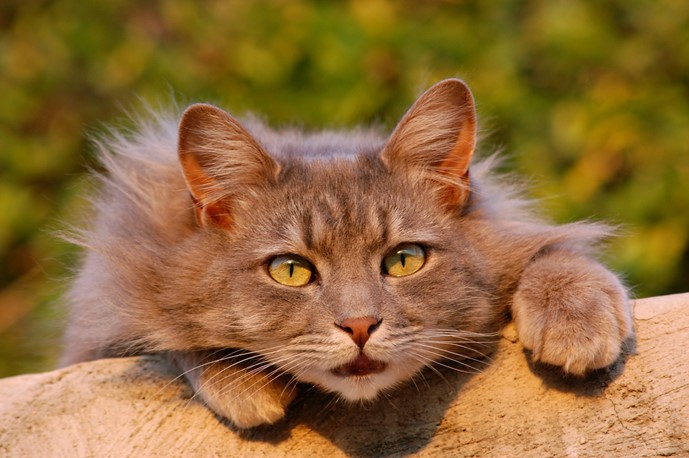
Many older cats spend less time outdoors, but still enjoy access to fresh air.
If your cat goes outside:
-
Ensure the area is safe and secure
-
Minimise exposure to hazards
-
Monitor activity levels
Alternatively, consider creating a safe enclosed outdoor space or supervised access to reduce risk.
Keeping your cat microchipped
As cats age, they may become more disoriented or less aware of their surroundings.
Having up-to-date identification, including microchipping, adds an extra layer of security if your cat wanders further than expected.
Don’t forget gentle play and stimulation
While older cats may not be as energetic, they still benefit from mental and physical stimulation.
Suitable activities
-
Gentle interactive toys
-
Short play sessions
-
Puzzle feeding toys
Maintaining some level of activity helps support both physical health and emotional wellbeing.
Maintaining routine and stability
Routine is particularly important for senior cats.
Older cats often become more sensitive to change, so maintaining consistent feeding times, sleeping areas, and daily habits can help reduce stress.
As noted in the original Purely Pets guidance, sticking to familiar routines can help older cats feel secure and comfortable.
Diet and hydration for older cats
Nutrition plays a vital role in caring for your elderly cat.
As metabolism changes with age, your cat may require:
-
Easily digestible food
-
Adjusted portion sizes
-
A balanced, age-appropriate diet
Some older cats may also experience changes in appetite or taste, which can affect how much they eat.
Tips
-
Offer fresh water at all times
-
Monitor weight regularly
-
Adjust feeding as needed
The importance of regular veterinary care
Routine vet visits are essential for senior cats.
As cats age, they become more prone to health conditions, including:
-
Arthritis
-
Kidney disease
-
Dental problems
-
Thyroid conditions
Purely Pets highlights that behavioural or personality changes may sometimes indicate illness, making regular veterinary check-ups particularly important.
Planning ahead for health and care
As your cat enters later life, planning for ongoing care can provide reassurance.
Unexpected health issues can arise more frequently in older cats. Exploring options such as senior cat insurance which can help support long-term care and provide peace of mind.
Conclusion
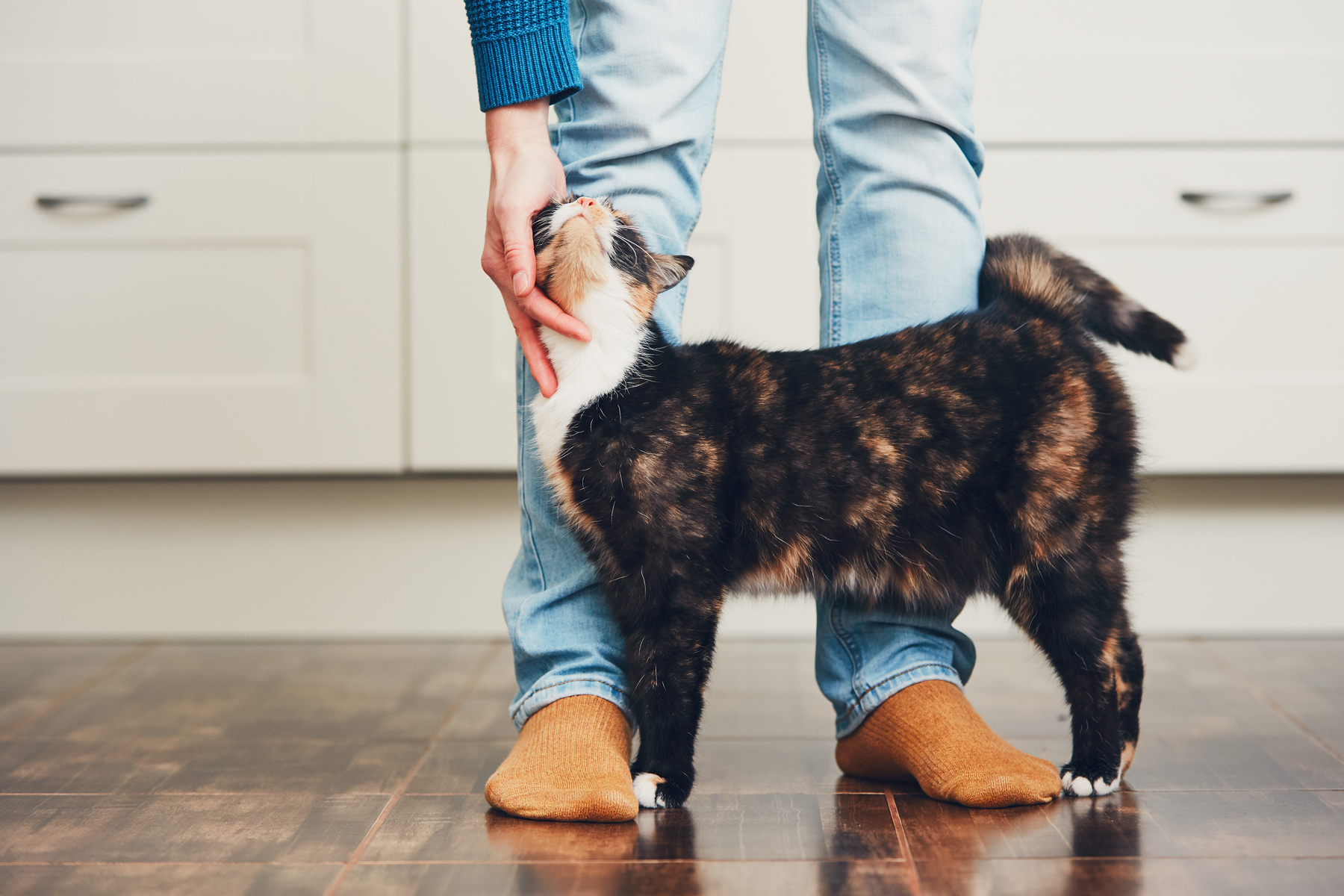
Caring for your elderly cat is about understanding their changing needs and making thoughtful adjustments to support their wellbeing.
From adapting your home environment to maintaining grooming, nutrition, and routine veterinary care, each step contributes to a better quality of life. While ageing is inevitable, the right care can ensure your cat remains comfortable, content, and well-supported throughout their later years.
Frequently asked questions
Common signs include sleeping more, reduced activity, changes in grooming, and altered eating habits.
Yes, many older cats benefit from a diet tailored to their age, health needs, and activity levels.
Older cats typically require more frequent check-ups to monitor their health and detect early signs of illness.
Yes. While energy levels may decrease, gentle play helps maintain mobility and mental stimulation.
Providing ramps, accessible resting areas, and low-sided litter trays can improve comfort and safety.
Helpful Pages
Recent Posts

Pet Insurance Quote
- 98% claims paid *
- Claims paid directly to vets
- 24/7 vet video consultations
- Interest free monthly payments