



Kitten insurance for our feline friends
At Purely Pets we’ve got your kitten’s adventures covered! From their wild zoomies to mischievous pouncing, our kitten insurance gives you peace of mind for your tiny explorer. We’ve got you covered for every tumble, purr, and playful surprise.
With a well-chosen cat insurance policy, you can ensure financial coverage for unexpected veterinary costs, aiding responsible pet ownership and ensuring peace of mind for cat parents. Enjoy the snuggles, while we handle the surprises!
3 reasons to take out kitten insurance
If you own a pet but don't currently have pet insurance, it might be time to take action. Here are three reasons why investing in a cat insurance policy is so important.

Your kitten's immune system isn't fully developed yet, which means it's much easier for them to fall ill. Your new mischievous cat's playfulness can also make it more likely to get into an accident and need emergency care for an injury. Over time, the vet bills soon add up, leaving a large hole in your bank balance.
With pet insurance in place, you avoid the worry of costly veterinary fees and can make sure your kitty gets the medical care they really need. Pet insurance policies can cover vet fees associated with accidents and illnesses, ensuring comprehensive care for your kitten.

The last thing you want to be thinking about when your kitten needs emergency care is where and when they will get the right help.
With a Purely Pets' lifetime policy, you no longer need to settle for less and can whisk your kitten off to the vet of your choice to get urgent help immediately. Your kitty will be back to their playful, pouncing self before you know it!

Although kittens are young and have their whole life ahead of them, it doesn't mean they're immune from chronic conditions. If your pet falls ill while uninsured, it makes it much harder to find cover.
It's unlikely any policy will protect them against pre-existing conditions, meaning you'll need to fund costs yourself for their ongoing care and treatment.
Benefits of taking out kitten insurance
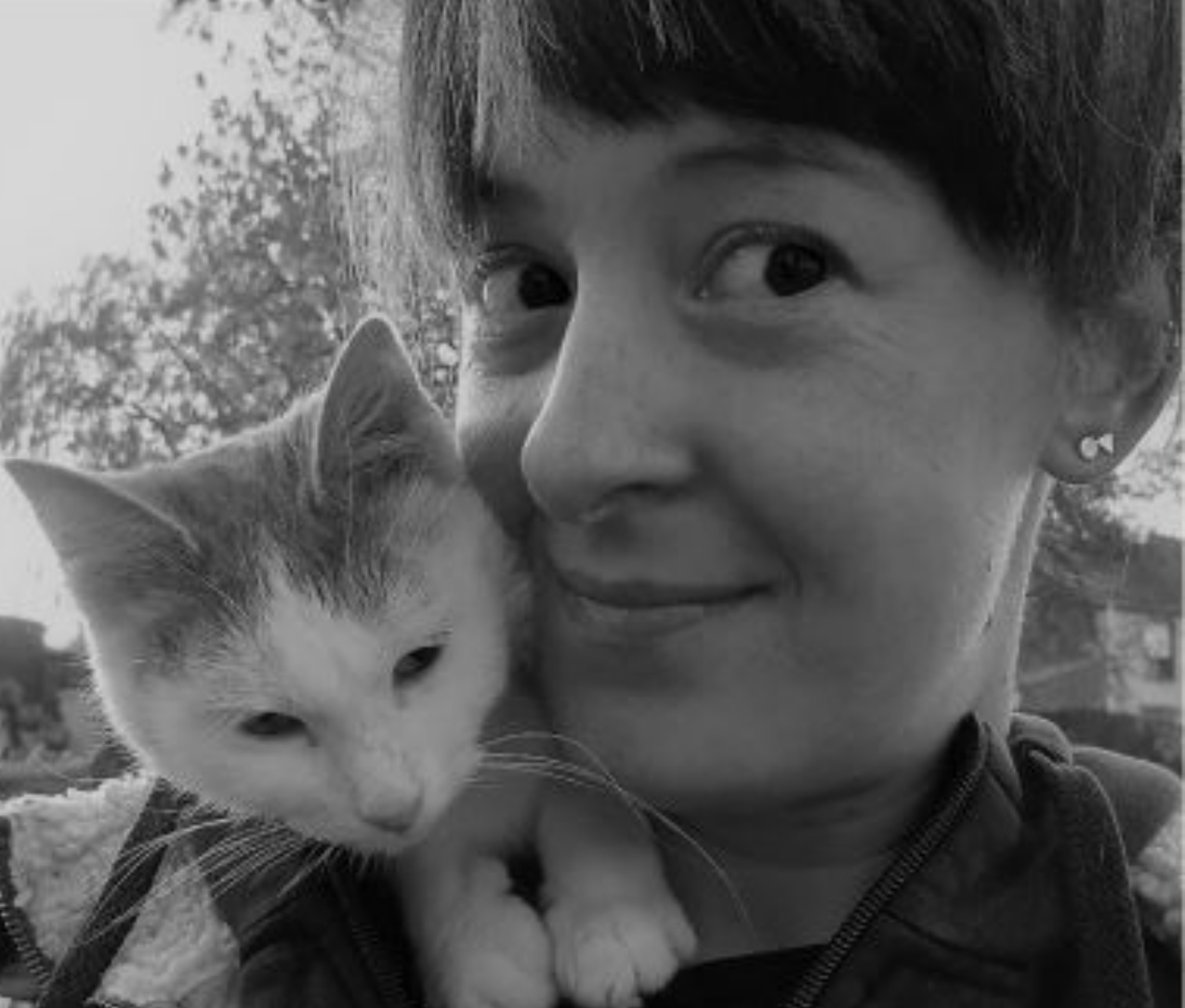
Jennifer Macindoe, BVMS MRCVS
Veterinary SurgeonKitten insurance provides peace of mind for unexpected accidents or illnesses. Kittens are naturally curious which can make them more prone to trauma or accidental ingestion of dangerous substances. They may also be more prone to certain infections as their immune system is less developed than an adult cat. Insuring your kitten from a young age will often lead to a more comprehensive cover.
The Purely Pets Promise
At Purely Pets, we understand the importance of pet health. Our insurance policies are designed to give pet owners peace of mind, ensuring that your pets receive the highest standard of care when they need it the most.
Why choose Purely Pets

Our Cat insurance cover levels
Opting for pet insurance for your cat is a fantastic choice!
Cat insurance can provide protection against unexpected veterinary expenses for your feline friend. It can help cover the cost of vet bills, including accidents, illnesses, and injuries, ensuring that your cat receives the best possible care without breaking the bank.
At Purely Pets, we offer 15 levels of lifetime cover, allowing you to pick the ideal policy that suits your cats needs and your budget.
Our Defaqto 5 Star Rating applies to our Silver and Gold cover levels providing vet fees of between £6,000-£15,000.
Lifetime Bronze

- Lifetime cover
- Vets fees from £1,000-£5,000
- Flexible Excess Options
Lifetime Silver
- Lifetime cover
- Vets fees from £6,000-£10,000
- Flexible Excess Options
Lifetime Gold
- Lifetime cover
- Vets fees from £11,000-£15,000
- Flexible Excess Options
What is kitten insurance?
Generally, Pet Insurance providers do not specialise in kittens and young cats. Most insurance is designed to cover your cat throughout their life, including the unique health needs and risks associated with young cats.
As kittens are naturally curious and playful, they are more prone to accidents and illnesses that may require veterinary care. Kitten insurance helps pet owners manage these potential veterinary fees by providing financial support when their kitten needs medical attention.
Why do I need kitten insurance?
Insurance isn't a legal requirement, but as a responsible pet parent, you should always insure your kitten if you can. Even if your feline friend is happy and healthy today, you can never really know when an unexpected illness or injury will happen, which means unexpected vet bills could soon start to pile up.
With a kitten insurance policy in place, you protect your kitten when they need it most by making sure they get the care they deserve. That means no cutting corners when it comes to veterinary treatment and getting your feline back to its best in no time.
Types of kitten insurance
Having a pet is a long-term commitment which is why we offer three different levels of lifetime coverage for your kitten. Lifetime insurance for your kitten will provide coverage (upon approval) for your beloved companion for the duration of their lifetime, as long as the policy is renewed each year – just as the name suggests! Here are some of the types of cat insurance policies available and what they all mean:




What is covered by kitten insurance?
When selecting a cat insurance policy for your furry friend, it’s important to consider the following:





What isn't covered by kitten insurance?
Before moving on, it is important to mention that there is minimum age on which you can take out a policy for your cat and that is at 8 weeks. Common exclusions include:
- Pre-existing conditions
A lot of insurers will not cover pre-existing conditions. A pre-existing condition is a medical condition or injury that a cat has shown signs or symptoms of already, prior to your cat insurance policy starting, even if the condition has not yet received a diagnosis.
- Neutering and Spaying
Neutering is the process of removing a male cat's testes, while spaying is the process of removing a female cat's ovaries and uterus. Neutering and spaying can have many benefits for cats. It can help reduce aggressive behaviours, reduce the risk of certain diseases, and reduce the number of unwanted cats in the community.
- Vaccinations
Vaccinations are a series of injections given to cats to help protect them from various diseases, viruses, and infections. Vaccines help to boost a cat’s immune system, allowing them to fight off infections and illnesses that can cause serious and even fatal health problems. Vaccines are available for a variety of illnesses, including feline leukaemia, rabies, and feline distemper.
- Pregnancy
Costs related to pregnancy, labour, and care for newborn kittens generally fall outside the scope of coverage.
- The excess
Excess is the amount that an insurance policy holder pays towards a claim. The excess can vary depending on the policy chosen and is usually deducted from any claim settlement.
For example, with cat insurance, the policy holder may be required to pay an excess of £140* for each claim. This means that the policy holder will be liable for the first £140 of the claim.
*The excess amount may vary depending on your policy agreement
How much does it cost for kitten insurance?
Every feline is different, and there's no one size fits all when it comes to kitten insurance policies. When pet owners come to Purely Pets, we base your kitten insurance quote on various factors:
- Your kitten's breed
- The level of lifetime policy you choose
- The amount of excess you decide to pay
- Where you live
To get a quote based on your needs and budget, you can do this online or speak to our friendly team today on 0330 102 5748.
Frequently Asked Questions
Here at Purely Pets we can insure kittens from 8 weeks old, please see our policy wording for more information.
Your kitten's tiny features make it one of the most adorable creatures on the planet, but their small frame is also what makes them more vulnerable to certain conditions.
Feline distemper
This condition is very rare but if a kitten catches it, it can prove fatal.
The nasty virus attacks their developing immune system, totally destroying it and making treatment almost impossible.
Affected cats become severely ill, showing a lack of appetite, vomiting and diarrhoea with white mucous.
Luckily, one of the essential vaccinations your kitten can get from a very young age is feline distemper, protecting them against the deadly condition.
Intestinal worms
The thought of worms in your kitten's tummy is unpleasant and they can make them very ill. These parasites, roundworm being the most common, burrow into the intestinal wall, causing:
- Diarrhoea
- Weight loss despite eating more
- Dull coat
Again, preventative measures are available by using worming products every 1 to 3 months. Speak to your veterinarian regarding which treatments are the most effective.
Upper respiratory infections
Feline herpes virus and feline calicivirus can be deadly in very young kittens. Cats pass on these respiratory infections from other animals carrying the bacteria.
In most cases, you'll notice sneezing and perhaps a runny nose or gloopy yellow discharge in the eyes. Your kitten's condition is more serious if they stop eating and are having trouble breathing. Whichever symptoms they show, an emergency visit to your vet is on the cards.
Fleas and ear mites
The sooner you spot fleas, the better chance you have of preventing them from spreading around your home and even onto you! The tiny pests cause excessive itching, which can lead to sores.
Prevent your kitten from becoming a host by staying up to date with flea treatments.
Ear mites transfer from one animal to another just like fleas, but they are even smaller and harder to see.
Watch for crumbly white flakes in your cat's ear, scratching around the area and head shaking. Treatment usually involves ear drops to get rid of the infestation.
Allergic reactions
It's not only us humans who can be allergic to food and other environmental factors. Your small kitten could develop an allergic reaction to:
- Food
- Insect bites
- Medication
- Pollen
Tell-tale signs include excessive scratching and sore spots where they've scratched too much. If food or medication is the cause, you might also notice vomiting and diarrhoea.
For most allergies, there isn't a specific veterinary treatment available, so you need to work on eliminating the cause from your kitten's environment. You can learn more about other common cat health problems that can surface at any time in their life elsewhere on our site.
Keeping your kitten healthy requires a combination of preventive care, proper nutrition, and regular veterinary check-ups. Here are some top tips to ensure your young feline stays in the best possible shape:
- Regular vet visits: Schedule routine check-ups with your vet to monitor your kitten’s growth and catch any potential health issues early. Vaccinations, parasite control, and dental checks are important parts of these visits however, they are considered preventative treatment so they won't be covered by cat insurance.
- Balanced diet: Feed your kitten a high-quality diet formulated specifically for young cats. Proper nutrition supports healthy development, a strong immune system, and energy levels.
- Parasite prevention: Use flea, tick, and worm prevention treatments* as recommended by your vet to protect your kitten from common parasites that can cause illness.
- Safe environment: Create a safe living space free from hazards such as toxic plants, sharp objects, or accessible chemicals. This helps reduce the risk of accidents and injuries.
- Socialisation and enrichment: Engage your kitten with toys and playtime to stimulate their mind and body, helping prevent behavioural issues and encouraging healthy physical activity.
- Spaying or neutering: Discuss with your vet the appropriate time to spay or neuter your kitten to prevent unwanted litters and reduce the risk of certain diseases.
- Hydration: Always provide fresh water to keep your kitten well hydrated, which is vital for overall health.
- Monitor behaviour: Keep an eye on any changes in appetite, litter box habits, or activity levels, as these can be early signs of illness.
*Preventative/routine treatments are not covered by cat insurance
Yes, all pet cats in England must now be microchipped or face a fine of up to £500 if you don’t comply.
Vaccinations are considered non-emergency veterinary care and a routine part of budgeting for your new feline friend. Remember, if your animal falls ill from something that a vaccine could have prevented, insurers won't cover it.
No, as spaying is considered a preventative/routine procedure.
Yes, multiple pets can be insured and their policies can be linked but each pet will have their own benefit limits. Therefore, any claims that may happen will not impact the other pet's policy.
Purely Pets covers loss by theft or straying and advertising costs and reward costs up to £2,000 depending on the level of lifetime cover purchased.
Yes, Purely Pets currently offer cover of up to £2,000 for dental treatment.
Dental cover as a result of an accident is covered in the first year of the policy and dental illness is covered after the policy has been live for a minimum of 12 months*.
Coverage varies between policies (£2,000 is available on our Gold & Silver Lifetime plans & £500 on Bronze). It’s important to read the terms and conditions of the policy when selecting an insurance plan.
Depending on the lifetime pet insurance plan, there may be a maximum amount that can be reimbursed. It is also important to note that pre-existing conditions will not be covered.
*Subject to evidence of annual dental check-ups, and any treatment recommended by the vet has been carried out at your own expense.
It’s best to arrange kitten insurance as early as possible, ideally shortly after you bring your new kitten home. Securing coverage early helps protect against unforeseen health problems and ensures your kitten benefits from pet insurance from the very start of their life.
Examples of what kitten insurance can cover
Jennifer Macindoe, BVMS MRCVS
Veterinary SurgeonKitten insurance often covers vet consultation fees, emergency care, medications, and more.
Cat advice & news
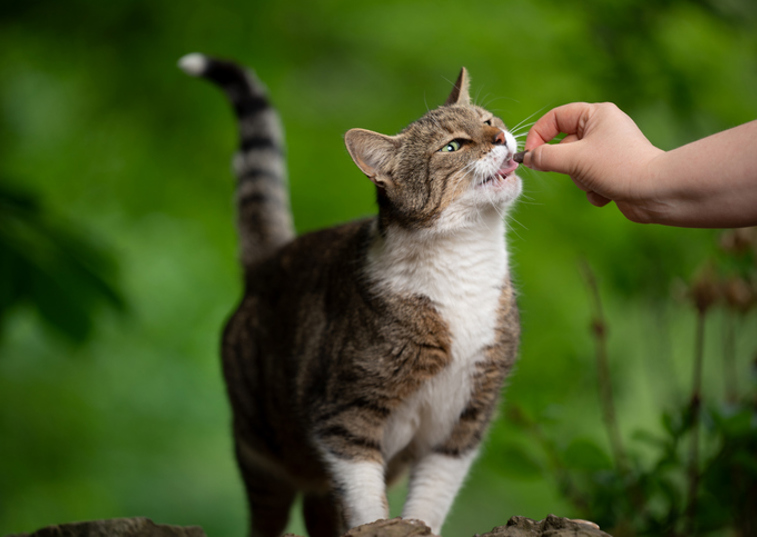
How can I stop my neighbour feeding my cat?
04/09/26
It can be frustrating to discover your cat is eating meals elsewhere. While neighbours are often acting with kindness, feeding someone else’s pet can affect their health, behaviour, and routine. Cats are naturally curious and opportunistic, so even well-fed pets may seek out extra meals if they are available.
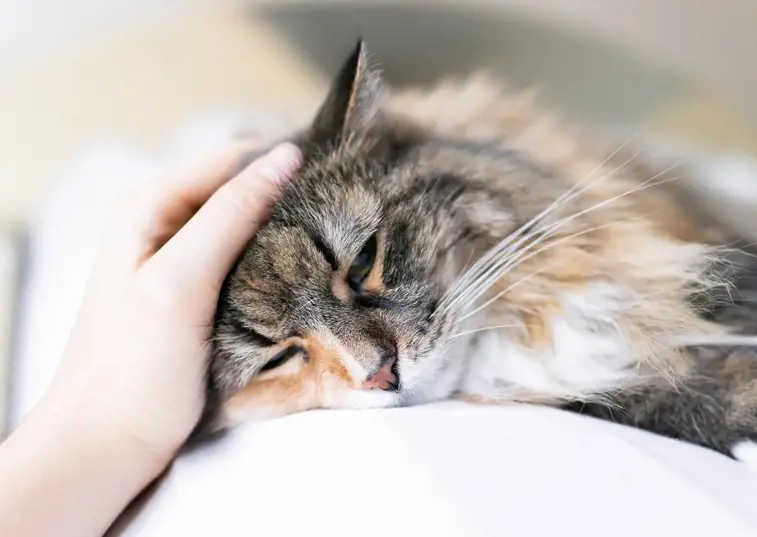
How to care for an old cat
26/08/26
Just making a couple of small adaptations in your home could make a big difference to your cat's quality of life in their sunset years. So check out our guide to caring for an older cat to make sure you’re doing all you can for your beloved puss.
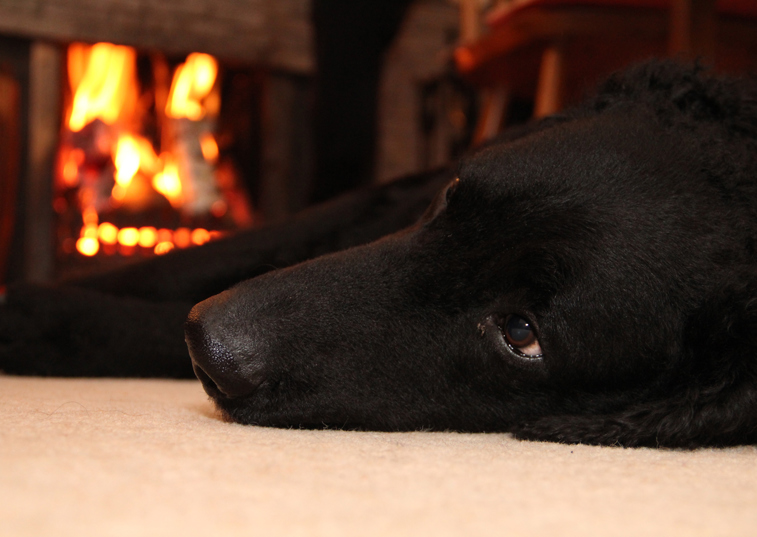
How to protect your pet in a fire
01/07/26
We would do everything we could to keep our families safe from the devastating impact of a fire. And we’d do exactly the same for our pets. So the question is: Are you doing enough to keep your pets protected in the event of a fire?