
How much should my dog sleep?
4th November, 2025
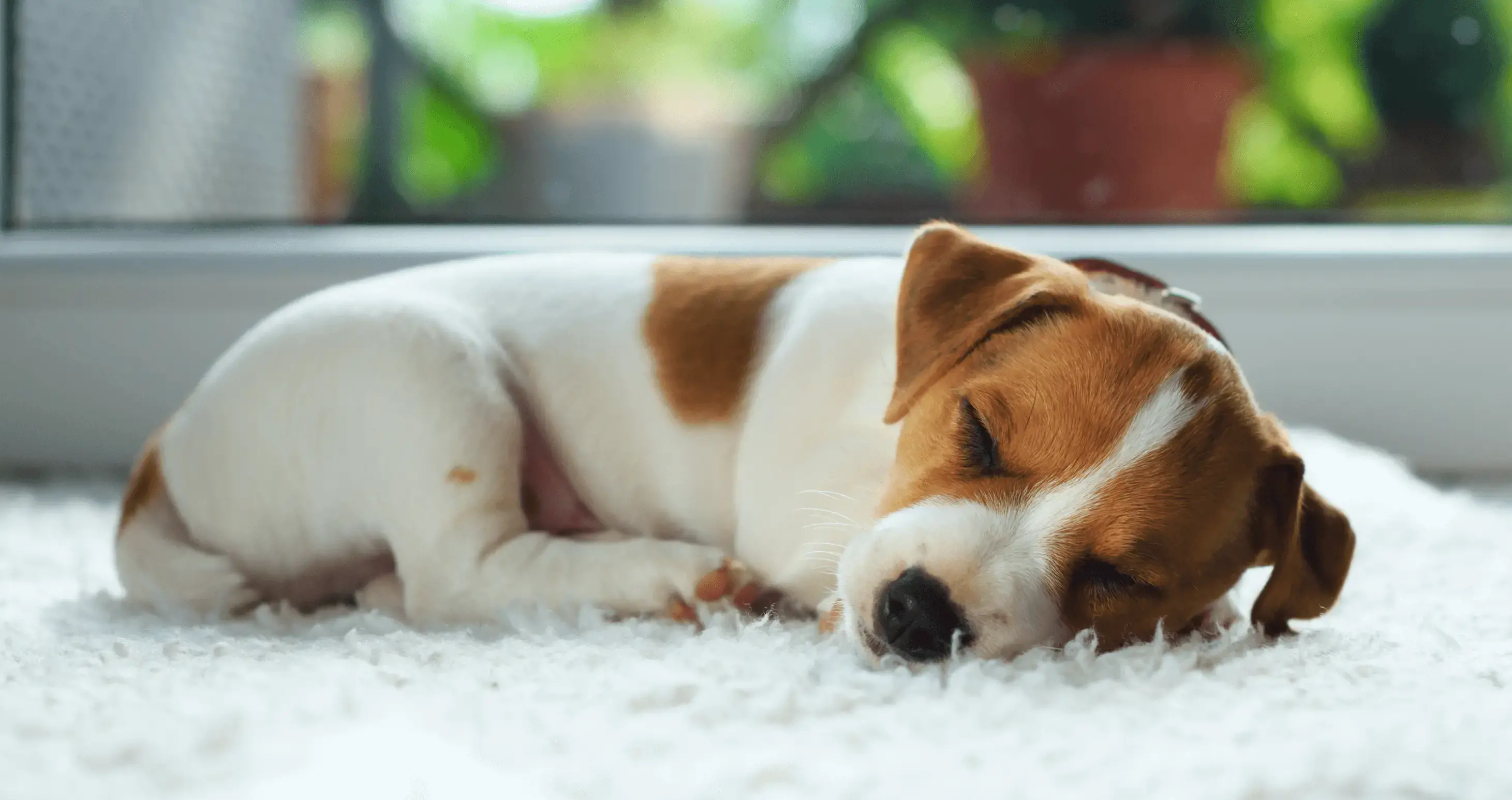
Adult dogs usually sleep between 12 and 14 hours a day, spread throughout the day and night. Puppies and senior dogs will need even more sleep. A healthy adult dog tends to sleep around 8-13.5 hours per day, with the majority of that at night and the rest in naps.
This comprehensive guide is designed to answer these questions and more, helping you understand your dog's sleep patterns and needs. Let's dive in!
Understanding your dog's sleep needs
Unlike humans, dogs don’t sleep for one long stretch at night. Like many other animals, dogs have adapted their sleep patterns to their environment, which affects their overall rest and well-being. They spread their sleep throughout the day and night, taking frequent naps and waking in between.
On average, an adult dog sleeps about 12-14 hours a day, while puppies and older dogs may sleep even more. Their ancestral genetic coding instructs them to conserve energy and sleep more when not engaged in activities such as hunting, playing, or socialising.
Factors influencing your dog's sleep
Several factors can influence how much a dog sleeps. These include, but are not limited to:
- Age: Puppies and older dogs typically require more sleep than middle-aged dogs. Puppies expend a lot of energy exploring their environment and learning new things, necessitating more sleep for growth and development. Similarly, older dogs need more rest to recover from daily activities.
- Breed and size: Certain breeds are more prone to sleep than others. Larger breeds usually sleep more than smaller ones.
- Health and diet: A dog's general health and diet can significantly influence their sleep. Weight loss can be a sign of underlying health issues that may affect sleep quality. Dogs with health conditions may sleep more than healthy dogs. Similarly, a change in diet can affect your dog's normal sleeping pattern.
- Activity levels: Active dogs may sleep less than inactive ones. Play sessions are an important part of a dog's daily routine, and play can tire out dogs, increasing their need for rest. If a dog is engaged in activities and exercises regularly, they may require less sleep.
Sleeping patterns of dogs
Dogs have different types of rest periods throughout the day. These resting periods can range from light dozing to deep sleep, and observing your dog's resting behaviour can provide insights into their comfort and overall well-being. On average, a dog’s sleeping schedule comprises about 50% deep, restorative sleep, while another 30% is more of a light snooze and the remaining 20% they will be awake but relaxing.
During their deep sleep stages, you may notice your dog’s eyes twitching or their paws flicking. Just like humans experience REM (Rapid Eye Movement) sleep, dogs also have a similar dreaming stage.
The REM phase is particularly important, as it is during this stage that dogs may exhibit abnormal movements if they have REM sleep behaviour disorder, making it a key aspect in understanding canine sleep health. This is when they process their day’s experiences, perhaps dreaming about chasing squirrels or playing fetch.
Sleep behaviour and positions
Dog sleeping patterns include a variety of often hilarious sleeping positions and each position can reveal something about your dog's comfort or mood. These positions can depend on their breed, their surroundings, and their sense of safety:
-
One common sleeping position is the 'Superman' pose, where the dog lies on its belly with front legs and back legs stretched out, or with legs stretched forward. This legs stretched position often indicates that the dog is tired but still alert and ready to spring into action, and is especially common in energetic pups.
-
The 'belly-up' position, where a dog sleeps on its back with its belly exposed, shows a high level of comfort and trust, as the dog feels safe and relaxed.
-
In the 'lion pose', the dog rests with its head on its paws, resembling a lion, which suggests alertness, loyalty, and readiness to move if needed.
The way a dog's head is positioned while sleeping—whether raised, resting on a bed, or tucked—can indicate their comfort, alertness, or ease of breathing. The alignment of the dog's body in each position can reflect their feelings, comfort, or even health conditions.
When curled up, a dog's nose may touch its back legs, a posture that helps conserve warmth and provides a sense of protection. A relaxed or relaxing sleeping position, such as lying on the side, often indicates a sense of safety and well-being. Dogs may also relax before sleep, engaging in calm behaviours that help them settle down.
On a hot day, dogs might choose to sleep on a cool floor to help regulate their body temperature. It’s natural to wonder why dogs choose certain sleeping positions, so take time to observe your own dog and see what their favourite position might reveal.
Before settling down to sleep, dogs often exhibit behaviours such as circling or digging. This behaviour is a throwback to their wild ancestors who used to create dens for sleeping.
Where should dogs sleep?
Providing a designated sleeping area for your dog, such as a pet’s dog bed, is essential for their well being and supports your dog’s routine. It provides them with a space of their own where they can retreat if they want some ‘me time’.
Using a crate as a safe and secure sleeping space can be especially beneficial, as it offers a cosy, enclosed area that helps puppies settle, establish a routine, and stay safe during sleep and overnight stays.
When dogs are adjusting to a new environment, such as arriving at a new home, their sleep can be affected by stress and unfamiliar surroundings. Maintaining consistency in their sleeping area during this transition is important to help them feel reassured and secure.
For older dogs, consider investing in a thicker, more comfortable bed to provide support for their ageing bones. It has also been understood that having dogs sleep in your room can even help improve your own sleeping habits.
Sleep troubles in dogs
Just like humans, a dog’s sleep can also experience troubles. Sleep disorders, such as narcolepsy, sleep apnea, and REM sleep behaviour disorder, can affect your dog’s sleep quality and overall health.
If your dog’s sleep habits seem to change suddenly, or if they are hard to wake up, it may be a sign of an underlying health issue. Changes in breathing during sleep, such as snoring or irregular breathing patterns, can also indicate potential health problems that should be monitored.
Common sleep problems
A few common sleep problems in dogs include:
- Change in diet: Some foods may be harder for your dog to digest than others, which can disrupt their sleep.
- Pain: Restlessness can indicate that your dog is in pain. Many senior dogs experience arthritis, which can make settling down to sleep difficult.
- Underlying health conditions: Conditions such as thyroid problems, heart disease and diabetes can cause lethargy and a decreased inclination to exercise.
- Doggy dementia: In older dogs, cognitive dysfunction syndrome (CDS), also known as doggy dementia, may result in dog's sleep schedule being disturbed.
If you notice a significant change in your dog's normal sleep patterns, it's always wise to consult with a vet.
Do older dogs sleeping habits differ from puppies?
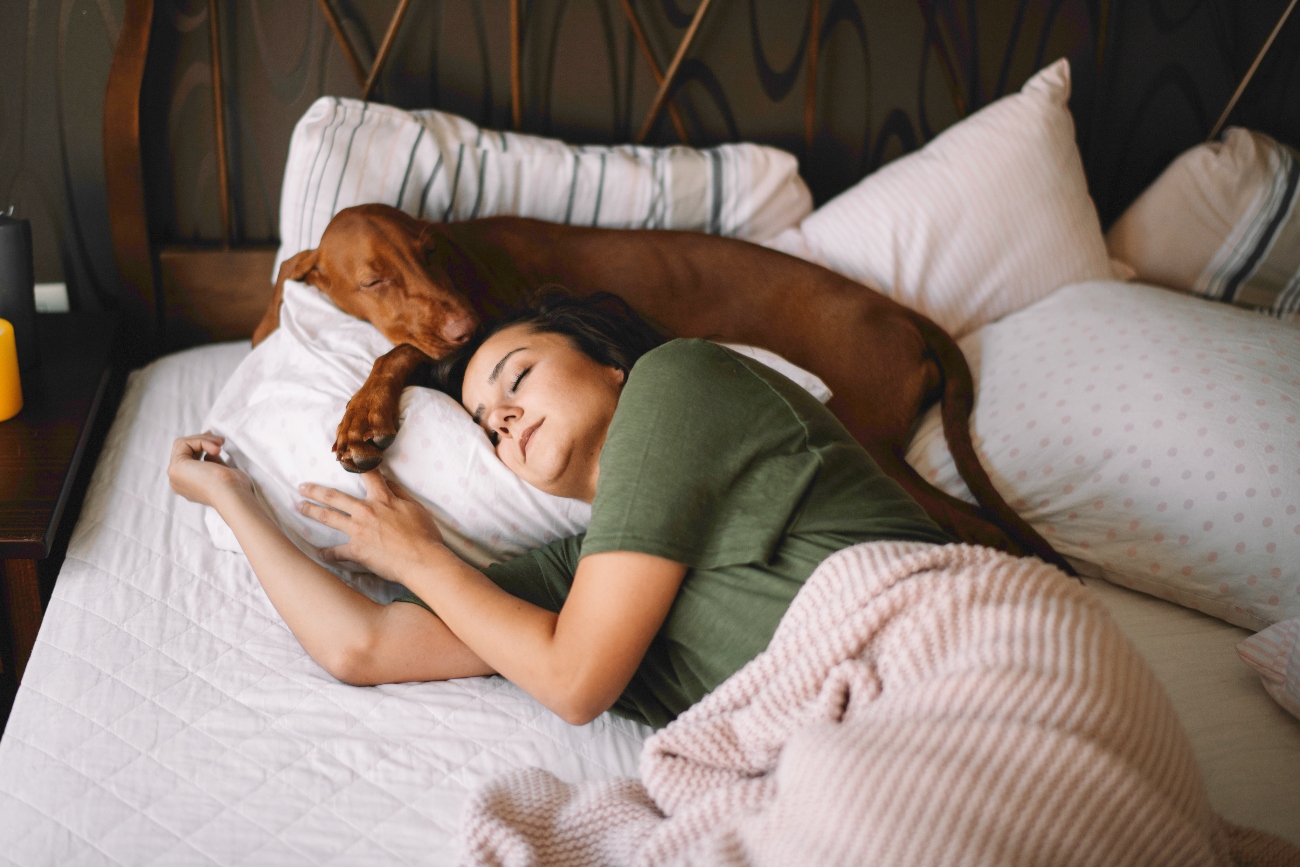
If you've spent time with puppies and an adult dog, you may have noticed that their sleeping patterns are not quite the same.
Puppies sleep to aid in their growth and development. They can sleep for up to 20 hours a day, which includes both night time rest and daytime naps. Many puppies are often full of energy in short bursts, but tire out quickly and need frequent periods of rest. Their sleep is vital for their growth, learning and exploration of the world around them.
On the other hand, senior dogs tend to sleep more than their younger counterparts but in a different pattern. As dogs age, they begin to slow down. They may not have the same energy levels as they did when they were puppies or young adults.
This decrease in activity often leads to increased sleep during the day and night, totalling around 14 hours on average. However, the sleep of adult dogs tends not to be as deep as that of puppies. They may wake up more frequently during the night due to discomfort from arthritis or other health issues.
While both puppies and senior dogs require plenty of sleep, their patterns and reasons behind those patterns vary significantly. Sleep plays an essential role at every stage of a dog's life, from the growth-focused sleep of puppies to the rest-and-recover sleep of adult dogs. Understanding this can help us better accommodate our furry friends' needs as they move through different stages of life.
How much sleep does a puppy need?
Puppies are like little balls of energy one minute, and the next, they are completely zonked out. Puppies require more sleep than adult dogs due to the physical and mental growth that occurs during sleep. On average, a puppy might sleep for about up to 20 hours a day.
Unusual sleep patterns in puppies are usually normal and should not be a cause for worry. However, if you notice significant changes in your puppy's sleep routine or signs of discomfort, it's a good idea to schedule a check up with your veterinarian to ensure everything is okay.
In the early days, establishing a sleep routine can be a challenge for both the puppy and the owner. It's essential to create a comfortable and quiet environment for the puppy to sleep. This will help them understand that it's 'sleep time'.
Consult a vet if you have sleep concerns
If your dog's sleeping patterns change drastically, it's crucial to consult with a vet. Changes in sleep patterns could indicate underlying health issues that require medical attention.
Remember to keep a sleep log detailing any changes in your dog's sleep patterns to share with your vet. This can help them diagnose any potential health problems accurately.
Ensuring a good night's sleep for your dog
As pet parents, to ensure your dog gets a good night's sleep, consider the following tips:
- Establish a routine: Dogs thrive on routine. Try to keep their bedtime and wake-up time consistent each day.
- Create a calm environment: Make sure your dog's sleeping area is quiet, comfortable and free from disturbances. This will help avoid putting additional stress on your dog.
- Keep them active during the day: Regular exercise will help your dog fall asleep at night.
- Eating patterns and diet: Ensure your dog is eating a balanced diet that is easily digestible. If you notice any changes in their sleep after a diet change, consult with a vet.
Remember, every dog is unique, and what works for one might not work for another. If you're struggling with your dog's sleep, don't hesitate to seek professional advice.
My dog is snoring loudly, what does this mean?
Just like most dog parents, many dogs can snore too. Occasional snoring may not be a cause for concern. However, if your dog is sleeping and snoring is frequent and loud, it could be a sign of an underlying health issue such as obesity, allergies, or respiratory issues.
Hence, if your dog's snores are shaking the room and interrupting your sleep, it might be time to pay a visit to your vet. After all, we all want our furry friends to be in the pink of health!
Insuring your dog for peace of mind
In some cases, changes in your dog's sleep pattern could be a sign of underlying health issues. Regular vet check-ups can help you stay on top of your dog's health.
To ensure you're prepared for unexpected health concerns, consider getting a quote for dog insurance through our website. If you'd like to talk to one of our dog insurance specialists, you can get in touch with us on 0330 102 5748.
Conclusion
Understanding your dog's sleep patterns can help you ensure they're getting the right amount of rest they need. It's essential to keep an eye on any changes in your dog's sleeping behaviour and consult a vet if necessary. Remember, a well-rested dog is a happy and healthy dog.
Please note: While we aim to provide accurate information, this article is meant as a general guide only and is not a substitute for professional veterinary advice.
Helpful Pages
Recent Posts
How to keep cats cool in summer
10/03/26
Anaemia in dogs
12/02/26

How to groom your cat properly
09/01/26
Pet Insurance Quote
- 98% claims paid *
- Claims paid directly to vets
- 24/7 vet video consultations
- Interest free monthly payments