
How to help your dog if it suffers from anxiety
27th March, 2026
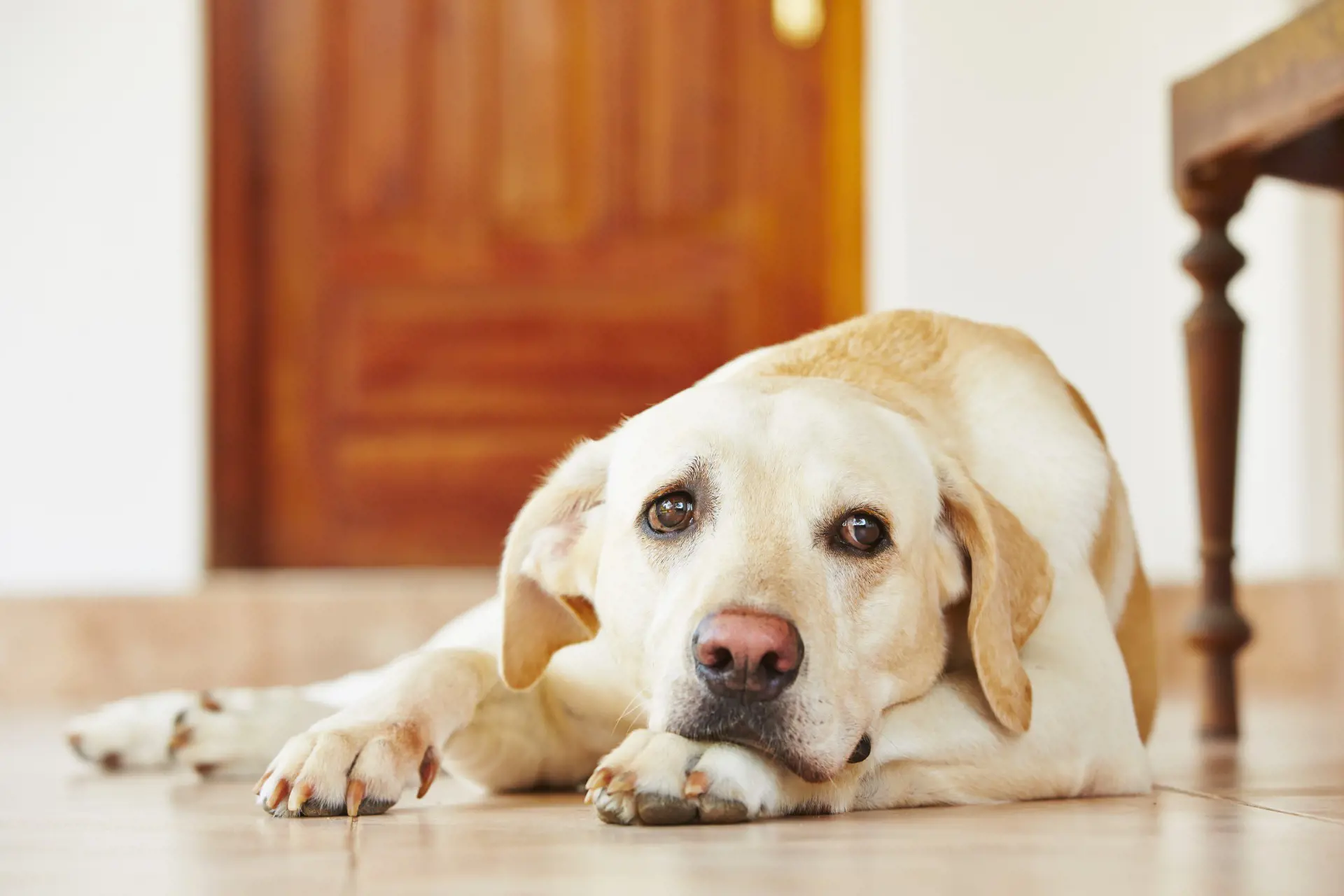
What can cause anxiety in dogs during spring?
Increased outdoor activity & new stimuli
One of the biggest causes of springtime dog anxiety is the sudden change in environment. As the weather warms up, there are more people outside, more wildlife, and a higher level of noise and activity. Sensitive dogs may struggle with:
- Loud children playing
- Bikes and scooters
- Unfamiliar dogs
- New smells and sounds
This sensory overload can heighten stress levels and make normally calm dogs appear unsettled.
How to help manage your dog’s anxiety this spring
Spring is a wonderful time for dog owners, longer walks, warmer days and more time outdoors.
But for many dogs, the season brings new triggers that can increase stress and anxiety. If your dog seems more nervous than usual at this time of year, you’re not alone.
Spring anxiety in dogs is common, and understanding the causes can help you support your pup more effectively.
This guide explains the main reasons dogs get anxious in spring, the key symptoms to look out for, and practical methods to calm an anxious dog during the season.
Seasonal allergies
Many dogs suffer from spring allergies, which can cause:
- Itching
- Skin irritation
- Watery eyes
- Breathing discomfort
This physical discomfort can easily be mistaken for behavioural anxiety. Allergic reactions can make dogs restless, protective of their space, or unusually clingy.
Changes in routine
The shift to brighter mornings and lighter evenings often changes daily routines. Dogs who thrive on predictability may become unsettled when mealtimes, walk schedules, or time spent alone suddenly shifts with the season.
Fear of garden machinery & outdoor noises
Lawnmowers, strimmer’s, hedge-cutters and DIY equipment come out in full force during spring. These loud, unpredictable sounds can trigger fear or noise-related anxiety in sensitive dogs.
Left alone more often
As social calendars fill up with spring days out, dogs may spend more time alone, especially those already prone to separation anxiety. This can lead to behaviours such as pacing, whining, destructive chewing or over-excitement when you return home.
What are the main causes of anxiety in dogs?
There are many different reasons why dogs may experience anxiety. Some can be related to what happened in their early lives; others can be linked to our lifestyles and how we treat them. Let’s take a closer look:
1. Early exposure
Recent research by the Scottish SPCA and Edinburgh University suggests that canines bred on puppy farms display higher rates of fear, anxiety and aggression than other dogs.
That’s why it’s so important to buy responsibly, from a reputable breeder, where you can meet your pup’s parents and discuss any health or genetic issues directly with them.
If you buy from a good breeder they may have already done some of the basic socialisation and training to start you off on the right path.
2. Being left alone
We hear a lot about separation anxiety in dogs and how leaving them alone for prolonged periods of time can be detrimental to their mental health.
Dogs Trust advises that you don’t leave a pup alone for more than four hours at a time, so if you work full time you need to carefully plan how you’ll meet your canine companion’s basic needs.
Dogs that experience multiple rehoming, abandonment or neglect as puppies or throughout their lives can also be susceptible to anxiety, so if you adopt a dog from a rehoming centre this is certainly something to be aware of.
The Blue Cross shared some telltale signs of separation anxiety in dogs. Look out for your pooch displaying any of the following signals:
Just after you leave the house…
- Increased heart rate
- Panting
- Pacing
- Salivating
- Need to go to the toilet
- Manic activity
- Chewing things with your scent
When you return…
- Overly excited
- Wet from excessive drinking or salivating
3. Phobias
Some dogs can display signs of anxiety when they’re scared of something. Perhaps they hate loud noises like fireworks or thunder? Maybe they’re scared of riding in the car? Or being around noisy children?
Whatever the fear, anxiety and stress can present itself in different ways, from cowering or trembling to barking and aggression.
As a responsible owner, it’s down to you to spot these signs in your hound and take action accordingly.
4. Illness
It’s worrying when we get ill, and it’s no different for our pooches. If they’re suffering from a painful condition, their worry and pain may present as anxiety.
If only our dogs could talk and tell us how they felt. Unfortunately, it’s up to us to spot the signs.
Having the right insurance for your dog in place can help get your pup back to full health as quickly as possible and minimise the stress and anxiety illness or disease can cause.
5. Ageing
As we get older, we might not be able to function as well or as quickly as we used to – and it’s the same for our canine pals.
Old age can affect their cognitive functions, which, in turn, makes them feel more vulnerable and anxious in otherwise ‘normal’ situations.
What are the symptoms of anxiety in dogs?
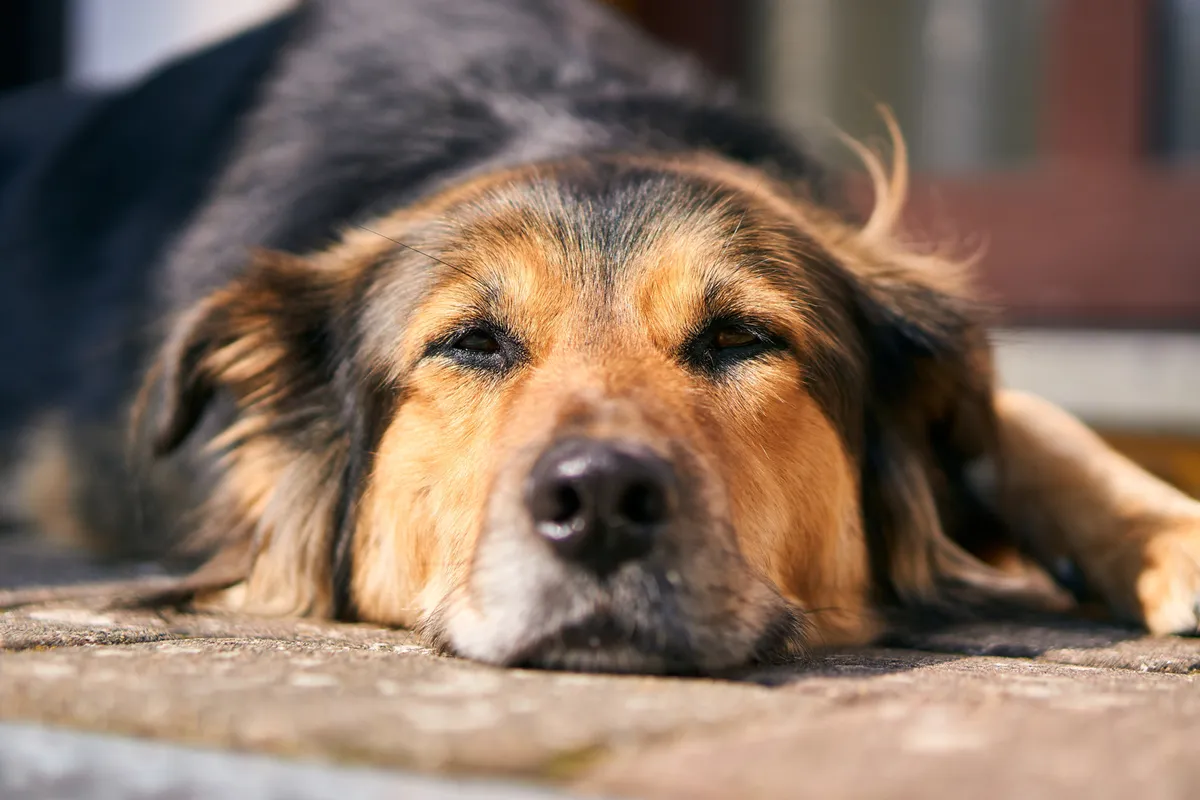
As Battersea Dogs’ and Cats’ Home points out, here are the common signs that your pet pooch may be experiencing anxiety:
- Excessive panting
- Tail between their legs
- Licking their lips
- Ears pinned back
- Raising their paws
- Pacing up and down
- Yawning
How do you calm an anxious dog?
If you think your pup is displaying the signs of anxiety, the best thing you can do is talk to your vet.
They will be able to determine the cause of the anxiety – environmental or physical – and advise you on the best way of dealing with it.
Exercise can be a great, natural way of helping to relieve some of the symptoms of anxiety, as it allows your pooch to use up all its excess energy and boost serotonin levels, which make them feel good.
You can also use distraction techniques to take their mind off the anxiety. Learning new tricks or playing with a new toy may help to alleviate their stress.
Some people put the radio on when their dog is home alone. Hearing voices and music can be a way of delaying the onset of separation anxiety but shouldn’t be used as a long-term solution.
If your dog needs a little more help, you could try a Dog Appeasing Pheromone (DAP). There are many different types available but the Dogs Trust suggests Adaptil as a trusted brand.
Battersea suggests these top five tips to help your pup manage stress, which you can read more about on their website:
- Work out what’s causing it
- Gain their trust
- Keep things calm
- Boost their confidence
- Discourage neediness
Protecting your pet with dog insurance
Pet insurance may cover behavioural conditions, such as anxiety, but this varies between insurers, so it’s important to check the terms of your policy.
Whether your dog is experiencing anxiety as a symptom of illness or not, it’s best to protect your pet with specialist dog insurance. That way, you can make sure they get the help they need.
As well as Joii, our 24-hour vet care provider, we can offer up to £15K of vet fee cover so you can choose the level of protection that’s right for your pet, and your pocket.
Our handy Manage My Policy portal also gives you instant access to your documents, meaning you can manage your dog insurance documents at a time that suits you best.
Get a quote for dog insurance today.
Helpful Pages
Recent Posts
Pet Insurance Quote
- 98% claims paid *
- Claims paid directly to vets
- 24/7 vet video consultations
- Interest free monthly payments