
Contact Purely Pets for a quote today.
Understanding reverse sneezing in dogs
2nd January, 2026
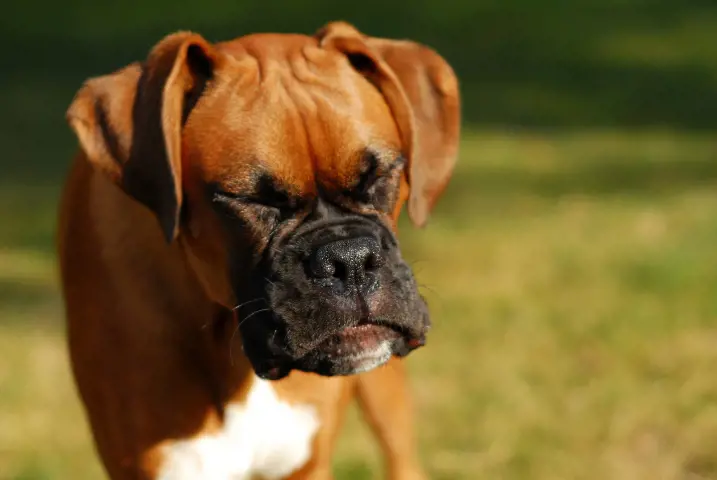
Reverse sneezing in dogs is a common but often misunderstood condition. It can be alarming to watch your dog have a sneezing fit and wonder if something is wrong.
But the good news is that reverse sneezing is not usually a cause for concern. Dogs return to their usual behaviour promptly after a reverse sneezing episode, indicating that it is completely normal. Reverse sneezing is generally harmless for most dogs and is especially common in small dogs.
In this blog post, we'll discuss what reverse sneezing is, what causes it, how to diagnose and treat it, as well as some home remedies that may help.
What is reverse sneezing in dogs
Reverse sneezing in dogs, also known as pharyngeal gag reflex or paroxysmal respiration, is a condition where the dog makes honking or gasping noises. Dog reverse sneezing is usually caused by something irritating the throat or the back of the mouth, such as dust, smoke, a foreign object, or a strong smell.
It usually resolves on its own after a few minutes, but it can be quite alarming for dog owners. The act of reverse sneezing is similar to a regular sneeze in that it involves an involuntary inhalation and exhalation of breath, but in reverse sneezing, the mechanism involves rapid, repeated inhalations through the nose rather than forceful exhalation.
However, with reverse sneezing, the inhalation is much more prolonged and forceful. During a reverse sneezing episode, the dog will stand still with their mouth open and make a loud, snorting sound as they draw air in through their nose. They may also gulp and gag. The dog often extends its head and neck during an episode.
Causes of reverse sneezing in dogs
There are several possible causes for reverse sneezing in dogs. These include:
- Allergies: Dogs can be allergic to a variety of substances, including pollen, dust, mold, and pet dander. These substances can irritate the throat and cause a reverse sneezing episode.
- Foreign objects: If a foreign object, such as a blade of grass or a toy, gets stuck in the throat or back of the mouth, it can cause irritation and trigger reverse sneezing. Other irritants, such as perfumes, cleaning products, or powders, can also irritate the upper airways and lead to episodes.
- Excitement or exercise: If a dog gets overly excited or exercises too vigorously, it can cause them to take in too much air, which can result in reverse sneezing.
- Brachycephalic breeds: Brachycephalic breeds, such as pugs and bulldogs, are more prone to reverse sneezing due to their short snouts and narrow airways. An elongated soft palate, which is common in these breeds, is an anatomical abnormality that can be an underlying cause of reverse sneezing.
Symptoms of reverse sneezing in dogs
The most common symptom of reverse sneezing in dogs, is when they exhibit a honking sound as they take in air. Clinical signs may include sneezes, nasal discharge, and other observable symptoms such as snorting or coughing. They may also produce a loud snorting sound during the episode. Dogs' reverse sneezes are typically brief, lasting only a few seconds to a minute, and can occur multiple times in a day or week.
It is important to note that reverse sneezing is not the same as a regular sneeze. A regular sneeze is usually caused by allergies or some kind of irritation and involves a single sneeze. Examining the nasal cavity for nasal discharge or blockages can help differentiate reverse sneezing from other conditions.
Reverse sneezing is usually caused by irritation of the throat or back of the mouth and involves multiple, prolonged inhales.
Diagnosing reverse sneezing in dogs
If your dog is exhibiting signs of reverse sneezing, it is important to take them to the vet for a checkup. Pet parents should know that a thorough physical examination by vets or veterinarians is essential to accurately assess your dog's respiratory health and rule out more serious issues.
Your veterinarian will be able to diagnose the condition and determine the best course of treatment. Diagnosis may involve ruling out other conditions such as heart disease, nasal tumours, and a collapsing trachea to ensure the correct cause is identified.
During the visit, your vet may perform a physical exam, take x-rays, or perform an endoscopy to look for any foreign objects. Foreign bodies and nasal tumours are among the possible findings during these diagnostic procedures, as they can also cause symptoms similar to reverse sneezing.
Treatments for reverse sneezing in dogs
Fortunately, most cases of reverse sneezing in dogs will resolve on their own without any treatment.
However, if the condition is caused by allergies or a foreign object, your vet may prescribe antihistamines or antibiotics to help relieve the symptoms. In severe cases, more intensive treatment may be needed, and your veterinarian may recommend specific therapies or medications if episodes are frequent or particularly intense. In some cases, surgery may be necessary to remove the foreign object.
If your dog experiences frequent or severe episodes, it is important to seek advice from your veterinarian to ensure an accurate diagnosis and appropriate treatment.
Ways to prevent reverse sneezing in dogs
The best way to prevent reverse sneezing in dogs is to limit their exposure to irritants, such as dust, smoke, and strong smells. Certain breeds are more commonly affected by reverse sneezing, especially those with narrow nasal passages, so they may require extra attention.
It is also important to keep their airways clear by brushing their teeth, cleaning their ears, and trimming their nails regularly. If your dog has allergies, it is important to keep them away from the allergen as much as possible.
Monitor how frequently your dog experiences reverse sneezing episodes; if episodes occur more frequently, consult your veterinarian to rule out underlying health issues.
When should you see a vet?
Although reverse sneezing is usually not a cause for concern, it is important to take your dog to the vet if the episodes become more frequent or severe. Sudden onset of symptoms or signs of exercise intolerance should also prompt immediate veterinary evaluation.
This could be a sign of a more serious condition, such as an infection or respiratory issue. Your vet will be able to diagnose the condition and provide the appropriate treatment.
Easy home remedies to try
There are several home remedies that may help reduce the frequency and severity of reverse sneezing in dogs. These include:
- Massaging the throat: Gently massaging the throat can help soothe the irritated throat and reduce the severity of the sneezing episodes.
-
Gently blowing in the dog's face: Blowing gently in your dog's face can sometimes interrupt a reverse sneezing episode by encouraging your dog to swallow or change their breathing pattern.
- Steam therapy: Sitting in a steam-filled room or using a humidifier can help soothe the throat and reduce the frequency of reverse sneezing episodes.
- Apple cider vinegar: Adding a teaspoon of apple cider vinegar to your dog’s water bowl can help reduce inflammation in the throat, which can help reduce the severity of the episodes.
How to help your dog during a reverse sneezing episode
If your dog is experiencing a reverse sneezing episode, there are a few things you can do to help them. Pet parents should stay calm and supportive, as your reaction can help reassure your dog during these episodes. First, try to remain calm.
Reverse sneezing episodes usually resolve on their own after a few minutes. You can also try to soothe your dog by speaking to them in a calm, reassuring voice. You can also try massaging their throat or giving them a treat to help distract them.
How do you know if your dog has nasal mites?
Knowing if your dog has nasal mites can be a difficult task, as the symptoms can vary depending on the breed, age, and severity of the condition:
-
One of the most common signs of nasal mites in a dog is frequent, intense sneezing. If your dog has been sneezing more than normal or with more intensity than usual, it could be a sign that they have nasal mites.
-
Other symptoms may include a runny nose, difficulty breathing, and thick mucus around the eyes and nose. In some cases, the mucus will be tinted with blood, and your dog may also show signs of discomfort such as rubbing their face on the ground or pawing at their nose. If you notice any of these symptoms, it is important to take your dog to the vet for an examination.
Your vet may be able to diagnose nasal mites by looking at the mucus or by performing a blood test. If your vet does diagnose your dog with nasal mites, they will likely prescribe a medication to treat the infection.
To confirm the diagnosis, it is important to take your dog to the vet for an examination and, if necessary, a blood test. Once diagnosed, your vet will likely prescribe medication to treat the infection. If your dog is still sneezing after the medication has been completed, it is important to take them back to the vet for further examination.
The medication may come in the form of a nasal spray, drops, or pills. It is important to follow the dosage and instructions provided by your vet, and to make sure your dog is taking the medication as prescribed.
If your dog is still sneezing after the medication has been completed, it is important to take them back to the vet for further examination. This is especially true if your dog is still showing signs of discomfort or if they are sneezing more than usual.
It may be a sign that the nasal mites have not been completely eradicated and that further treatment may be necessary.
Find dog pet insurance for your new addition
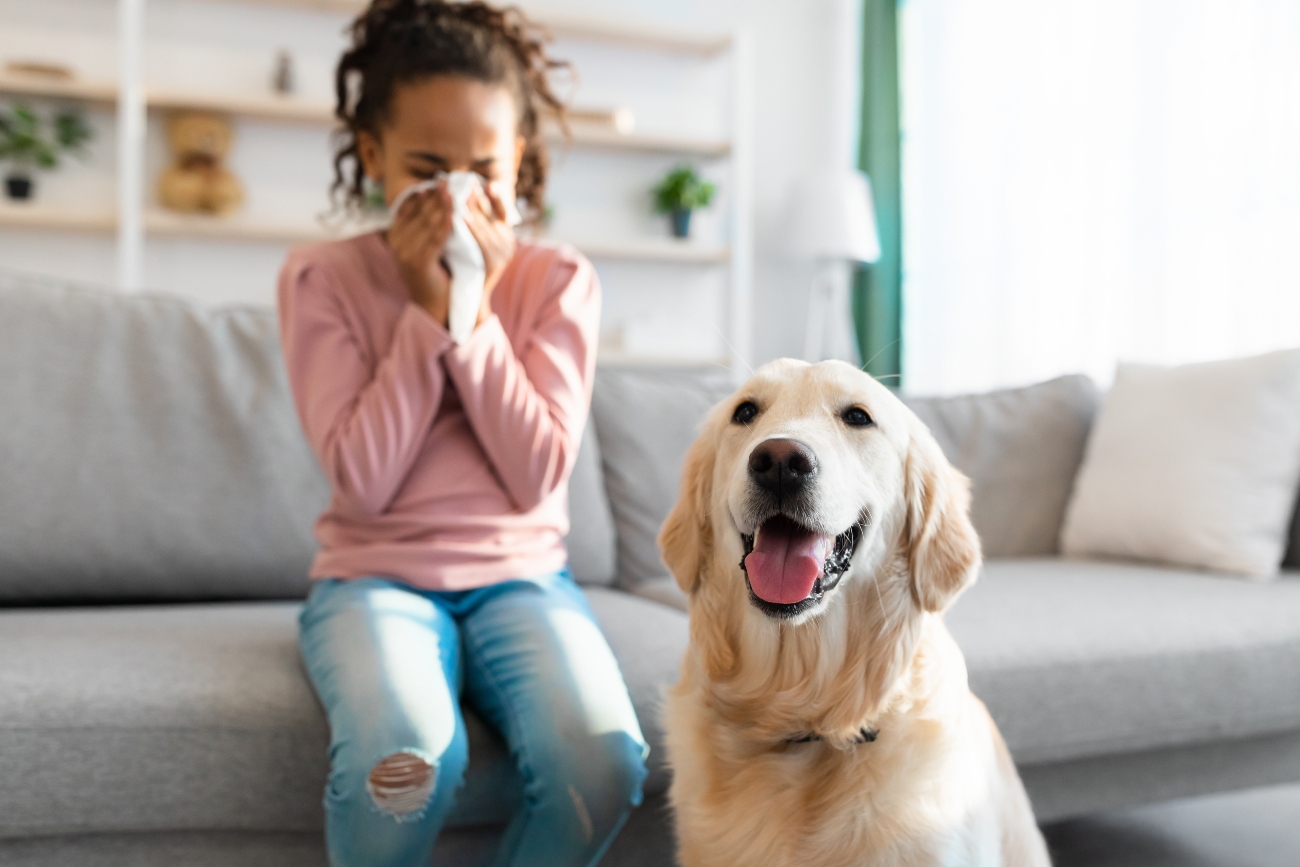
Reverse sneezing in dogs is a common but often misunderstood condition. While it can be alarming to watch your pup have a sneezing fit, the good news is that it is usually not a cause for concern. Pet owners should stay informed about their dog's health to ensure they can respond appropriately to any unusual symptoms.
There are several possible causes of reverse sneezing, including allergies, foreign objects, excitement, and exercise. The best way to prevent reverse sneezing is to limit your dog’s exposure to irritants and keep their airways clear. If the episodes become more frequent or severe, it is important to take your dog to the vet for a checkup.
Dog insurance with Purely Pets comes with many benefits:
- 15 levels of lifetime cover up to £15,000
- Easy-to-manage claims through the online portal
- Access to the 24/7 vet video consultation service
- Protection from as young as 8 weeks old and no upper age limit
Don’t wait any longer to give your playful pup or golden oldie the protection they deserve. For more information on topics similar to this, take a look at our blog where we cover a range of pet related health issues.
Contacely Pets for a quote today.
Helpful Pages
Recent Posts
How to keep cats cool in summer
10/03/26
Anaemia in dogs
12/02/26
How to groom your cat properly
09/01/26Pet Insurance Quote
- 98% claims paid *
- Claims paid directly to vets
- 24/7 vet video consultations
- Interest free monthly payments