
Why senior dogs need extra winter care
2nd January, 2026
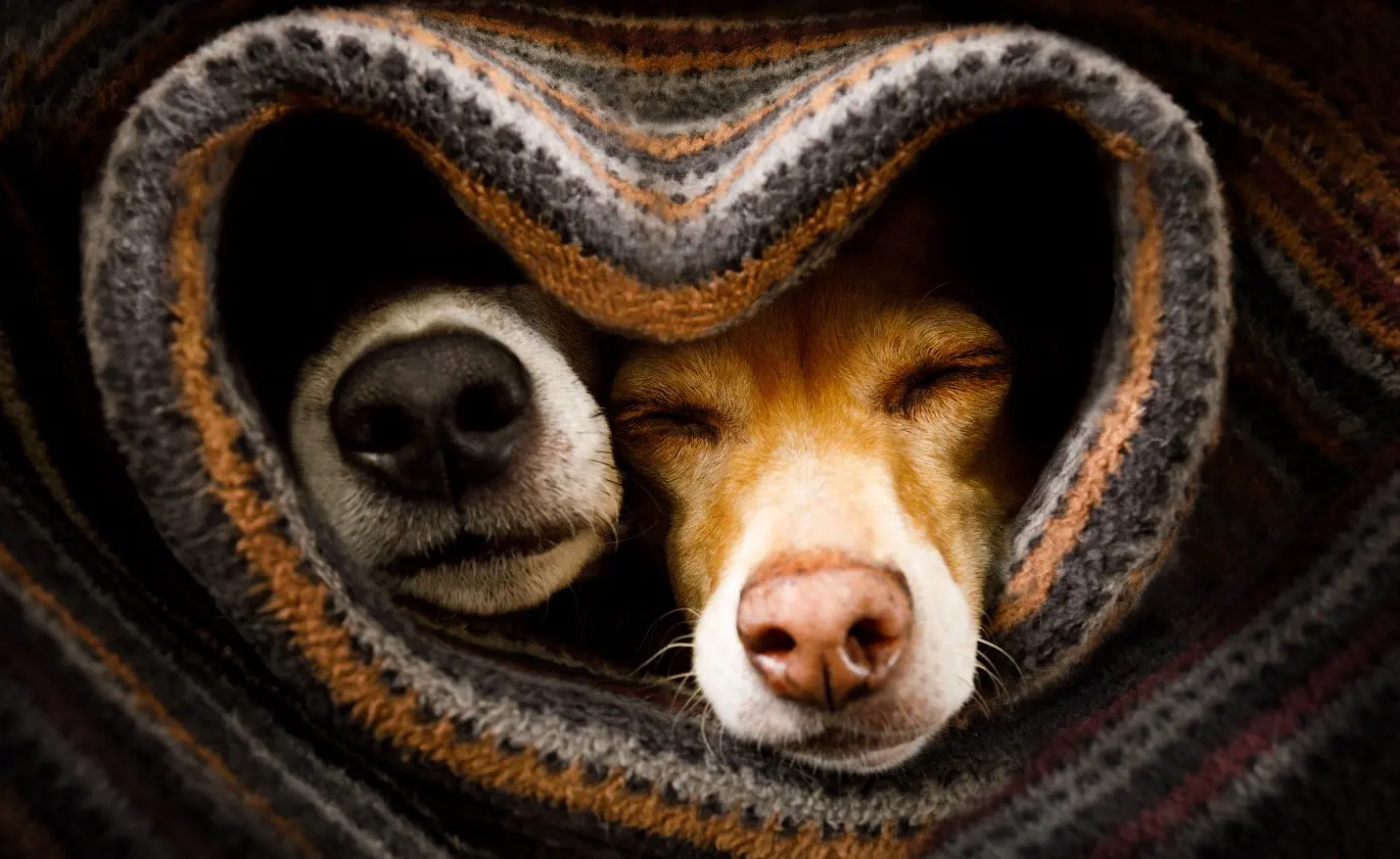
As dogs age, their bodies become less resilient to seasonal changes. Winter’s cold temperatures can amplify health challenges, making extra care essential for their comfort and wellbeing.
Senior dogs often face issues such as joint pain, reduced mobility, and difficulty regulating body temperature. By understanding these risks and taking proactive steps, you can help your older dog stay happy and healthy throughout the colder months.
Increased joint pain & arthritis during winter
Cold weather can worsen stiffness and discomfort in senior dogs with arthritis or joint problems. Lower temperatures reduce blood flow to muscles and joints, making movement more painful and increasing the risk of injury.
How to help
- Provide a warm, draft-free rest area: Keep their bed away from cold floors and draughts.
- Use orthopedic beds: These offer extra support for ageing joints.
- Keep walks short but regular: Gentle exercise maintains mobility without overexertion.
- Speak to your vet: Ask about joint supplements, pain relief, or physiotherapy options.
Reduced temperature regulation & risk of hypothermia
Older dogs struggle to regulate body temperature, putting them at higher risk of hypothermia during winter walks. Their thinner coats and slower metabolism make staying warm harder, especially in wet or windy conditions.
How to help
- Dress them in a well-fitted coat or jumper: Choose waterproof and insulated options for outdoor trips.
- Avoid prolonged exposure to cold: Keep to shorter walks and avoid icy paths.
- Dry them thoroughly after walks: Use a towel or pet-safe dryer to remove moisture and prevent chills.
- Monitor for signs of hypothermia: Shivering, lethargy, weakness, or reluctance to move are warning signs.
Extra tips for senior dog winter care
- Regular vet checks: Winter can exacerbate existing health conditions, so it can be a good idea to schedule a seasonal check-up.
- Maintain a healthy weight: Extra pounds put more strain on joints and can worsen arthritis.
- Indoor enrichment: Use puzzle toys, gentle play, and training sessions to keep their mind active when outdoor time is limited.
Senior dogs need a little extra TLC during winter. With warmth, gentle exercise, and regular monitoring, you can help your older companion enjoy the season comfortably and safely.
Essential winter comfort for senior dogs
As dogs age, their ability to cope with cold weather decreases. Senior dogs often feel the chill more than younger pets, making winter a challenging season for their comfort and health. Providing warmth and protection indoors and outdoors is key to keeping them happy and safe during the colder months.
Warm, draft-free sleeping areas
Older dogs need a cosy, secure space to rest, especially when temperatures drop. Cold floors and draughts can worsen joint pain and increase the risk of illness.
How to help
- Choose the right bed: Opt for an orthopedic or memory foam bed to support ageing joints.
- Elevate the sleeping area: Keep beds off cold floors and away from doors or windows where draughts occur.
- Add extra layers: Blankets or thermal bedding provide additional warmth and comfort.
- Maintain a consistent temperature: Use safe heating options or ensure the room stays warm without sudden temperature changes.
Cosy clothing & insulation for elderly dogs
Senior dogs often struggle to regulate body temperature, making warm clothing a practical solution for winter walks and chilly homes.
How to help
- Invest in a quality dog coat or jumper: Look for waterproof, insulated designs that fit snugly without restricting movement.
- Layer up for outdoor walks: In very cold conditions, consider a coat plus a lightweight jumper underneath for extra insulation.
- Monitor comfort indoors: If your home is cool, a soft jumper can help keep your dog warm without overheating.
- Check for signs of discomfort: Shivering, reluctance to move, or seeking heat sources are cues your dog needs more warmth.
Senior dogs deserve extra comfort during winter. By creating a warm, draught-free environment and adding cosy clothing when needed, you’ll help your older companion stay safe, comfortable, and happy throughout the season.
Winter nutrition & joint support
Cold weather can be tough on older dogs, and their nutritional needs often change during the winter months. Senior dogs not only require extra warmth and comfort, but they also benefit from a diet that supports joint health and overall wellbeing. Adjusting their food and adding targeted supplements can make a big difference in keeping them active and comfortable.
Adjust diet for age & cold weather
As temperatures drop, some dogs burn more energy to stay warm, while others become less active and risk weight gain. For senior dogs, maintaining a healthy weight is crucial because excess pounds put additional strain on ageing joints.
Choose a high-quality diet tailored for older dogs, which typically includes fewer calories but more fibre and essential nutrients. If your dog is less active in winter, consider reducing portion sizes slightly or switching to a senior-specific formula. Wet food or lightly warmed meals can be more appealing during cold weather and help with hydration, which is often overlooked in winter.
Joint supplements (Glucosamine, Chondroitin, Omega-3)
Arthritis and joint stiffness are common in older dogs, and cold weather can make these issues worse. Supplements such as glucosamine, chondroitin, and Omega-3 fatty acids are widely recommended to support joint health and reduce inflammation. These nutrients help maintain cartilage, improve flexibility, and ease discomfort.
Omega-3s, found in fish oil, also promote a healthy coat and skin, which can become dry in winter. Always consult your vet before introducing new supplements to ensure they’re appropriate for your dog’s age and health condition.
Winter care for senior dogs goes beyond keeping them warm, it’s about supporting their body from the inside out. A balanced diet, joint-friendly supplements, and regular vet checks can help your older companion stay comfortable and active throughout the colder months.
Gentle exercise & mobility maintenance
As dogs age, staying active becomes more challenging, but regular movement is essential for maintaining joint health, muscle tone, and overall wellbeing. Winter can make exercise even harder, with cold weather and slippery surfaces posing risks. The key is to adapt your dog’s routine to their age and the season, focusing on gentle, low-impact activities that keep them mobile without causing strain.
Short, frequent walks over longer ones
Long, strenuous walks can be tough on older joints, especially in cold weather. Instead, aim for shorter, more frequent outings. These allow your dog to stretch their legs and enjoy fresh air without overexertion. Choose safe, dry paths and avoid icy surfaces to prevent slips and injuries. If conditions are harsh, keep walks brief and supplement with indoor activities.
Indoor low-impact activities for senior dogs
When outdoor exercise isn’t practical, indoor play can help maintain mobility and mental stimulation. Gentle games like hide-and-seek, slow-paced fetch with soft toys, or using puzzle feeders encourage movement without putting stress on joints. Even short training sessions, teaching simple tricks or reinforcing commands, can provide valuable physical and cognitive exercise.
Mobility aids & home modifications
Senior dogs often benefit from small adjustments at home. Non-slip rugs or mats can prevent falls on hard floors, while ramps make it easier for them to access sofas or climb stairs without strain. Orthopedic beds provide joint support and comfort after activity. For dogs with significant mobility issues, consider harnesses or slings to assist with walking safely.
Gentle, consistent exercise is vital for senior dogs, even in winter. By combining short outdoor walks, indoor activities, and supportive home modifications, you can help your older companion stay active, comfortable, and happy throughout the season.
Safety measures for UK winter conditions
Winter walks can be refreshing for dogs and owners alike, but they also come with unique hazards, especially in the UK, where icy paths, road salt, and shorter daylight hours are common. Taking a few extra precautions ensures your dog stays safe, comfortable, and visible during the colder months.
Paw protection from salt & ice
Road salt and grit are widely used to prevent icy surfaces, but they can irritate your dog’s paws and even cause harm if licked off. Ice itself can lead to cracks and soreness on paw pads. After every walk, wipe your dog’s paws with a damp cloth or pet-safe wipe to remove salt and debris, then dry them thoroughly.
Applying a protective paw balm before heading out can help prevent cracking and keep pads moisturised. If your dog is particularly sensitive, consider introducing dog boots gradually indoors, they provide an effective barrier against cold surfaces and chemicals.
Visibility & slip prevention on walks
Dark mornings and evenings are a reality in UK winters, making visibility a top priority. Reflective collars, leads, and coats help your dog stand out to drivers and cyclists, while a clip-on LED light adds extra safety. For you, wearing reflective gear is equally important.
Slippery pavements pose another risk, so choose routes that are well-gritted and avoid steep or uneven paths. Walking at a steady pace and keeping your dog on a short lead can prevent sudden pulls that might cause slips. If conditions are severe, swap long walks for shorter outings and supplement with indoor activities to keep your dog active.
UK winters bring challenges, but with paw care, visibility measures, and sensible route choices, you can enjoy safe, stress-free walks with your dog all season long.
Schedule regular vet checks & cold-related health monitoring
Winter can be tough on senior dogs, especially if they have existing conditions like arthritis, respiratory issues, or heart disease. Cold temperatures can also increase risks such as hypothermia. If you notice any changes in your dog’s health or behavior, it’s important to seek professional advice promptly.
Rather than booking routine or elective vet visits, which are not covered by insurance, Purely Pets customers can access Joii for quick, round-the-clock, guidance from qualified vets. This helps you get expert advice without unnecessary costs, ensuring your dog stays comfortable and healthy throughout the colder months.
Pre-winter veterinary check-up
Before the cold weather sets in, it can be a good idea to review your dog’s health, especially if they’re older or on long-term medication. A check-up can help identify issues early, update prescriptions, and discuss joint support or dietary adjustments for winter. Vets may also recommend blood tests to monitor organ function and supplements like glucosamine or Omega-3 for joint health.
Important: Routine, preventative, or elective visits are generally not covered by insurance unless they relate to treating an accident or illness. If you’re unsure whether a visit is necessary, consider seeking advice first to avoid unexpected costs. Early intervention can make a big difference to your dog’s comfort and quality of life during the colder months. Purely Pets customers can enjoy 24/7 access to Joii’s qualified vets for expert guidance whenever they need it. This convenient service helps you get professional advice without unnecessary costs, keeping your dog healthy and comfortable throughout the winter months.
Watch for signs of cold stress
Even with extra care, senior dogs are more vulnerable to cold-related health problems. Keep an eye out for warning signs such as shivering, lethargy, stiffness, or reluctance to go outside. These may indicate discomfort or, in severe cases, hypothermia.
Breathing difficulties, persistent coughing, or changes in appetite should never be ignored, as they can signal underlying conditions aggravated by cold weather. If you notice anything unusual, contact your vet promptly, early treatment prevents complications and keeps your dog safe.
Frequently asked questions
Senior dogs are more sensitive to cold than younger pets. Generally, temperatures below 7°C can start to feel uncomfortable for older dogs, especially those with short coats or health issues. If it drops below 0°C, limit outdoor time and provide extra warmth with coats or jumpers. Always monitor for signs of cold stress such as shivering, stiffness, or reluctance to walk.
Heated beds aren’t essential for every senior dog, but they can be very beneficial for those with arthritis or joint pain. A warm, orthopedic bed helps maintain comfort and reduces stiffness. If you use a heated pad, ensure it’s pet-safe and never too hot, gentle warmth is all that’s needed. Alternatively, thick bedding and thermal blankets can provide excellent insulation.
Yes, small adjustments may be necessary. If your dog is less active during winter, reducing calorie intake helps prevent weight gain. For senior dogs, choose a diet that supports joint health and digestion, often with added fibre and essential fatty acids. Wet food or lightly warmed meals can be more appealing in cold weather. Always make changes gradually and consult your vet for tailored advice.
Commonly recommended supplements include glucosamine, chondroitin, and Omega-3 fatty acids. Glucosamine and chondroitin help maintain cartilage and reduce stiffness, while Omega-3s from fish oil support joint flexibility and reduce inflammation. Speak to your vet before starting supplements to ensure the right dosage and combination for your dog’s needs.
Hard floors can become hazardous for senior dogs with reduced stability. Use non-slip rugs or mats in high-traffic areas and near beds. Keep nails trimmed for better grip and consider paw wax for extra traction. If mobility is a concern, ramps and supportive harnesses can make movement safer and easier.
Contact your vet if you notice signs of cold stress (shivering, lethargy, stiffness), breathing difficulties, persistent coughing, or sudden changes in appetite or weight. Senior dogs are more vulnerable to winter-related health issues, so early intervention is key.
Helpful Pages
Recent Posts
The hidden dangers of spring
26/03/26
How to keep cats cool in summer
10/03/26
Anaemia in dogs
12/02/26Pet Insurance Quote
- 98% claims paid *
- Claims paid directly to vets
- 24/7 vet video consultations
- Interest free monthly payments