
Winter weight management for dogs – Keep your dog healthy and fit
2nd January, 2026
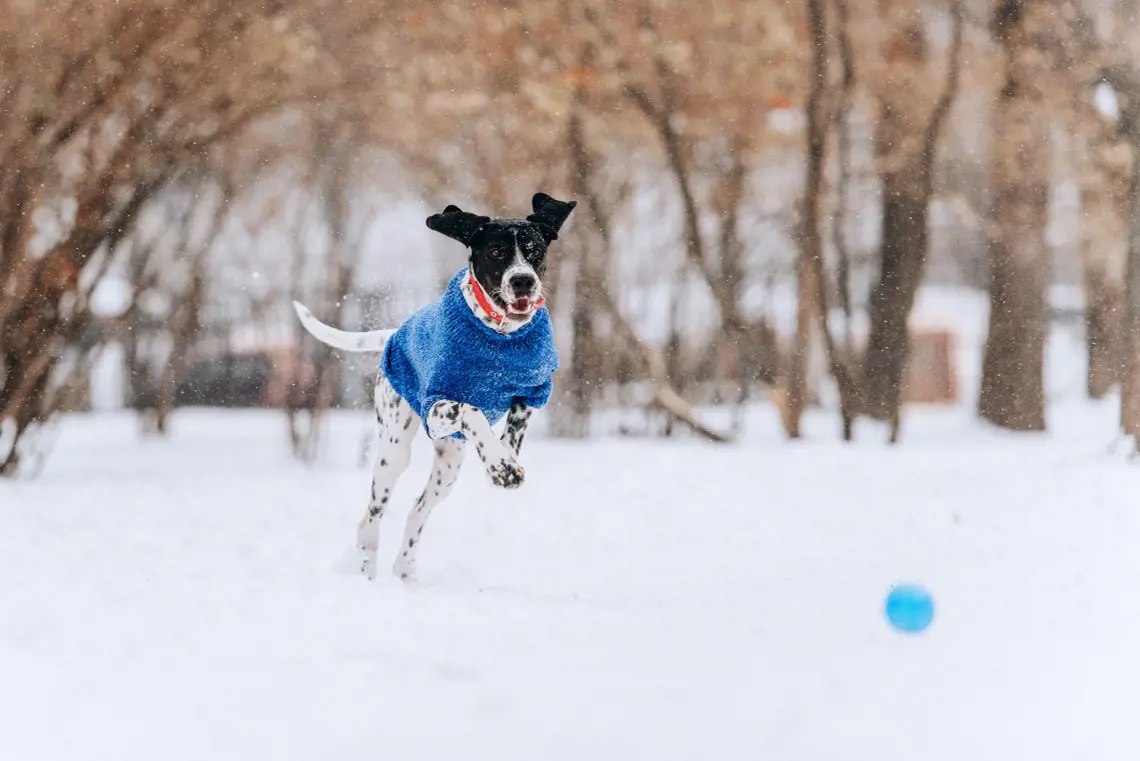
As winter sets in and the weather gets colder, your pets’ nutrition and feeding habits may need a little adjustment. Seasonal changes can affect energy needs, activity levels, hydration, skin and coat health, and even appetite behaviour.
Why do dogs gain weight in winter?
Reduced exercise during cold weather
During the colder months, dogs, just like us, tend to slow down. Shorter days and chilly weather often mean fewer long walks and less outdoor play. When activity levels drop but food intake stays the same, those extra calories can turn into fat, leading to winter weight gain.
To help your dog stay healthy, keep them active even when it’s cold outside. Exercise doesn’t have to be outdoors, try indoor games like fetch in the living room or introduce a new toy to keep them engaged.
Staying active not only prevents weight gain but also reduces the risk of arthritis and other health issues later in life. One lazy winter can lead to bad habits, so make sure your dog gets off the couch and keeps moving!
Seasonal changes in dog metabolism and appetite
Winter brings more than just colder weather; it can subtly affect your dog’s biology and daily routine. While some dogs may feel hungrier during the colder months, their metabolism often slows down, and their activity levels drop. This combination can lead to weight gain if not managed carefully.
Veterinarians describe it as a “messy cocktail” of biology and routine. Shorter daylight hours can influence hormones like melatonin and serotonin, which may nudge appetite up or down. Indoor temperatures fluctuate between chilly mornings and cosy evenings and walks often get shorter while playtime moves indoors. For some dogs, winter triggers an ancient survival instinct to store energy, while others experience mild seasonal blues that can dampen appetite.
Senior dogs are especially sensitive to these changes, as ageing already impacts metabolism. Some may eat less, while others feel the need to eat more to stay warm, though this is less common for pets living in a temperature-controlled home.
The key takeaway? Seasonal shifts can affect both appetite and energy needs, so monitoring your dog’s diet and activity is essential to keep them healthy through the winter months.
How to monitor your dog’s weight in winter
Dog weight tracking tips for UK pet owners
Managing your dog’s weight starts with awareness and consistency. Here are some effective tips:
- Watch the treats: Titbits are the biggest culprit for weight gain. Every time you give in to those “puppy dog eyes” with a biscuit or a crisp, you’re reinforcing the begging behaviour and adding extra calories. Try to limit treats and avoid sharing human food.
- Measure meals accurately: Dry complete diets are easy to overfeed. Always check the feeding guidelines on the packaging and weigh your dog’s food. Some manufactured foods contain hidden fats and sugars, so read the ingredients carefully.
- Keep a food diary: Track everything your dog eats, including table scraps and treats for a few days. This often reveals hidden extras that add up. Make sure everyone in the household sticks to the plan, as even small treats can derail progress.
- Slow down mealtimes: Use slow-feeding bowls or snuffle mats to make meals last longer. This helps your dog feel satisfied without overeating.
- Choose healthy treats: Treats should be tiny, no bigger than your fingernail. Opt for healthy options like carrot sticks, cucumber slices, or a piece of rice cake. If you use kibble as a treat, set aside some from the daily ration.
- Start early: Overweight puppies often become overweight adults. Feed the minimum recommended amount for their weight and monitor their body shape as they grow. Ask your vet to check their weight during vaccinations.
Using body condition score for healthy dogs
Maintaining a healthy weight isn’t just about numbers on a scale, it’s about body shape. Vets often use a Body Condition Score (BCS) to assess whether a dog is underweight, overweight, or at an ideal weight. The good news? You can do a simple check at home too.
What does a healthy dog look like?
- From above: Your dog should have a visible waist that curves in behind the rib cage. If the waist is missing or bulges outward, your dog may be overweight.
- From the side: Look for a tummy tuck, an upward slope from the chest to the hips. A straight line or sagging belly can indicate excess weight.
- By touch: Run your hands along the ribs. You should feel them easily under a thin layer of fat, similar to how your knuckles feel when you rub your fingers across them. If ribs are hard to find, your dog may be overweight; if they’re very prominent, your dog may be underweight.
Why it matters
Up to 65% of dogs in the UK are now considered overweight, which can lead to serious health issues like arthritis, diabetes, and heart disease. Regular body scoring and weighing are essential for keeping your pet healthy.
Tip: Discuss BCS with your vet, they can provide tailored advice and tools to help you monitor your dog’s condition effectively.
Best winter diet tips for dogs
Portion control for overweight dogs
Managing your dog’s weight starts with controlling portions. Here are some effective strategies:
- Switch to a weight-control diet: Commercial weight-control diets are specially formulated to provide balanced nutrition with fewer calories. They help your dog feel full while supporting metabolism and fat burning. Always choose a high-quality option recommended by your vet and check the label for nutritional content.
- Measure every meal: Accurate measurement is key. Use a kitchen scale or measuring cup to ensure you’re feeding the exact amount recommended by your vet or the feeding guidelines. Refer to feeding charts to adjust portions based on your dog’s size, age, and activity level. Precision prevents accidental overfeeding.
- Limit treats: Treats can quickly add extra calories. Reserve them for training or special occasions and keep them tiny, no bigger than your fingernail. Swap high-calorie snacks for healthy alternatives like carrot sticks, cucumber slices, or apple pieces.
- Add veggies and water: Bulking up meals with low-calorie vegetables like green beans or carrots helps your dog feel satisfied without adding extra calories. Adding water to dry food or offering wet food promotes hydration and aids digestion, making portion control easier.
Why it matters
Portion control is one of the most effective ways to help overweight dogs reach a healthy weight. Combined with regular exercise and vet guidance, these steps can make a big difference in your dog’s health and happiness.
Choosing low-calorie dog food for winter
Winter can be a tricky time for weight management. Many dogs prefer curling up by the fire to braving the cold outdoors, which means less exercise and more risk of weight gain. Older dogs with arthritis or mobility issues are especially vulnerable, as cold weather can worsen stiffness and reduce activity even further.
If your dog is gaining weight during the winter months, it’s worth reviewing their diet. Consider switching to a low-calorie or weight-control dog food. These diets are designed to provide balanced nutrition while reducing calorie intake, helping your dog feel full without piling on extra pounds. Always make changes gradually and consult your vet for recommendations tailored to your dog’s age, breed, and activity level.
Key tips for winter feeding
- Match food to lifestyle: Working dogs or those that feel the cold may need more calories to maintain body warmth, while less active “couch potato” dogs need fewer calories or smaller portions.
- Limit treats and human snacks: Extra titbits from your plate can quickly add up. Instead, offer healthy alternatives like carrot sticks or cooked vegetables.
- Check labels: Choose high-quality, weight-control diets and avoid foods high in fat or sugar.
- Gradual transition: Never switch diets overnight, introduce new food slowly to avoid digestive upset.
With 1 in 14 dogs in the UK now overweight, portion control and smart food choices are essential, especially during the colder months when activity levels drop.
Healthy dog treat alternatives
Treats are a great way to bond with your dog and reward good behaviour, but too many can lead to weight gain and health issues. Here’s how to keep treats healthy and balanced:
Choose simple, low-ingredient treats
Look for treats with minimal ingredients and no unnecessary fillers. Biscuit-based treats are often lower in salt and fat compared to meaty varieties, making them a better everyday option.
Use treats for training, not snacking
Training treats are designed to be small and low in calories because they’re given in higher quantities during sessions. Reserve larger treats for special occasions only.
Healthy alternatives to store-bought treats
You can substitute nutritious, low-calorie foods for traditional treats. Great options include:
- Green beans
- Carrots
- Blueberries
- Banana slices
- Rice cakes (plain)
Always give these in moderation, treats should make up no more than 10% of your dog’s daily calories.
Use regular kibble as treats
If your dog is food-motivated, set aside a portion of their daily kibble to use as treats throughout the day. Just remember to reduce their main meal by the same amount to avoid overfeeding.
Treats to avoid
Skip treats high in fat, sugar, or sodium, such as jerky, meat-like snacks, and baked goods. Avoid table scraps and never feed foods toxic to dogs, including:
- Chocolate
- Grapes and raisins
- Garlic and onion
- Fried foods and sugary baked goods
Tip: Cookies or cupcakes made for dogs are fine for birthdays, but not as regular treats.
By choosing healthy alternatives and controlling portions, you can keep your dog happy without compromising their health.
Winter exercise ideas for dogs
Outdoor dog walks in cold weather – Safety tips
Winter walks can be fun and refreshing, but cold weather and darker days bring extra risks for dogs and their owners. Here are some essential safety tips:
Walking in the dark
Shorter days mean more walks in low light. Make sure your dog is visible to other walkers and drivers:
- Use a reflective coat, flashing collar, or light attachment.
- Choose gear that fits comfortably and introduce it gradually so your dog feels positive about wearing it.
Top tips for winter walks
Keep your dog on a lead in snow
Snow can hide hazards like deep holes or unsafe terrain. A lead helps prevent accidents.
Check ID and microchip details
Ensure your dog wears a collar and ID tag, and that their microchip details are up to date.
Wipe down after walkies
Road grit, salt, and dampness can irritate skin and paws. Wipe your dog’s legs, feet, and belly after every walk.
Never leave your dog in the car
Cold weather can be just as dangerous as heat. Leaving dogs in cars should never be an option.
Avoid frozen ponds
Ice may not support your dog’s weight. If they fall through, don’t enter the water, call emergency services and encourage them to swim back.
Watch out for antifreeze
Antifreeze is highly toxic. Store it safely and clean up spills immediately.
Look after yourself too
Wear warm, waterproof clothing and sturdy shoes. Use reflective gear for both you and your dog.
Check leads, collars, and harnesses
Cold and wet weather can damage clips and cause rust. Test everything before heading out.
Indoor dog activities to burn calories
Cold, icy weather doesn’t have to mean a lazy day for your dog! If outdoor walks aren’t safe or practical, there are plenty of fun indoor activities to keep your pup active, healthy, and entertained.
1. Interactive games
Find It!
This game taps into your dog’s natural hunting instincts and is great for mental stimulation.
- Show your dog a treat and say, “Find it!”
- Toss the treat across the floor and praise them when they find it.
- Level up by hiding treats behind furniture or in another room for a real challenge.
You can also play “Find It!” with toys or even people, hide and seek is a fantastic bonding game!
2. Fetch indoors
Use soft toys that won’t damage furniture and play on carpeted areas to prevent slipping. Short bursts of fetch can burn energy quickly.
3. Tug of war
A controlled game of tug is perfect for dogs who love interactive play. It’s a great workout and teaches self-control when you set clear rules.
4. Fun with food
Turn mealtime into playtime:
- Use puzzle feeders, Kongs, or activity balls instead of a regular bowl.
- Hide kibble around the house for a scavenger hunt.
5. Teach new tricks
Training is exercise for the brain! Start with basics like “sit” and “down,” then progress to fun tricks like “roll over,” “give paw,” or even “shut the door.” Mental stimulation helps prevent boredom and destructive behaviour.
6. Name that toy
Teach your dog the names of their toys and use the “Find It!” technique to make playtime educational.
Tip: Rotate games and toys to keep things exciting. Even 10–15 minutes of indoor play can make a big difference in your dog’s health and happiness during winter.
Mental stimulation games for dogs
Keeping your dog’s mind active is just as important as physical exercise. Mental stimulation prevents boredom, reduces frustration, and can even help curb unwanted behaviours. For older dogs, those recovering from surgery, or puppies building confidence, brain games are a fantastic way to keep them happy and engaged.
Why mental stimulation matters
Dogs are naturally curious and food-motivated, so incorporating problem-solving into their daily routine is easy and rewarding. Without mental challenges, dogs may seek entertainment in destructive ways, chewing furniture, barking excessively, or digging.
Top mental stimulation activities
1. Scatter feeding & search games
Instead of using a bowl, scatter your dog’s kibble across the floor or garden. This encourages natural foraging behaviour and slows down eating.
- Start simple on a hard surface indoors.
- Progress to hiding small piles behind furniture or under plant pots for added challenge.
- If frustration sets in, help your dog by guiding them closer to the treats.
2. Puzzle feeders & activity toys
Puzzle feeders and toys like KONGs make mealtime interactive. They require your dog to work for their food, stimulating problem-solving skills.
- Begin with easy puzzles and gradually increase difficulty.
- DIY option: Create a “destruction box” using a cardboard box filled with scrunched paper and hidden treats.
3. Toy stuffing
Stuff toys like KONGs with kibble, wet food, or healthy spreads (e.g., peanut butter). Increase difficulty by packing food tightly or freezing it for a longer-lasting challenge.
- Add variety: mix in fruit, vegetables, or dog-safe spreads.
- Always supervise and ensure toys are safe for chewing.
4. Teach new tricks
Training sessions are great for mental stimulation. Start with basics like “sit” and “stay,” then progress to fun tricks like “roll over” or “fetch specific toys.”
5. Hide and seek
Play hide and seek with people or toys. Begin with easy hiding spots and gradually make it harder as your dog learns the game.
Safety tips
- Supervise play with puzzle toys to prevent chewing hazards.
- Separate dogs during food-based games to avoid resource guarding.
- Keep sessions fun and positive, end on a success to build confidence.
Health risks of winter weight gain in dogs
Common health problems in overweight dogs
Carrying extra weight isn’t just a cosmetic issue for dogs, it can seriously impact their health and quality of life. Obesity increases the risk of multiple conditions, some of which can shorten your dog’s lifespan.
What is obesity in dogs?
Obesity is defined as an excessive accumulation of body fat that contributes to disease.
- Overweight: 10% above ideal body weight
- Obese: 20% or more above ideal body weight
Health risks linked to obesity
Excess weight can lead to:
- Arthritis & joint problems: Extra weight puts stress on joints, causing pain and mobility issues.
- Pancreatitis: Inflammation of the pancreas, often linked to high-fat diets.
- Kidney disease: Obesity can strain kidney function over time.
- Respiratory issues: Breathing becomes harder, especially in brachycephalic breeds.
- Heart disease: Increased strain on the cardiovascular system.
- Diabetes & insulin resistance: Obesity disrupts normal glucose regulation.
- Higher anesthetic risk: Overweight dogs face complications during surgery.
- Reduced heat & exercise tolerance: Dogs tire easily and overheat faster.
- Lower quality of life: Less energy, more discomfort, and shorter lifespan.
Signs your dog may be overweight
- Collar or harness feels tighter
- No visible waistline
- Hard to feel ribs under fat
- Reduced energy and exercise tolerance
Causes of obesity
- Overfeeding: Too much food, treats, or table scraps
- Lack of exercise: Sedentary lifestyle
- Medical conditions: Hypothyroidism, Cushing’s disease
- Breed predisposition: Golden Retrievers, Labradors, Beagles, Dachshunds, Pugs, and more
Tip: Showing love through treats can backfire, extra calories often mean extra pounds. Instead, focus on healthy rewards and regular exercise.
When to visit your vet for dog weight issues
Weight changes in dogs can sometimes be normal, but persistent or sudden changes often signal an underlying health problem. Here’s when you should seek veterinary advice:
1. Changes in eating or drinking habits
- Missed meals: Skipping one or two meals occasionally isn’t usually a concern, especially in hot weather. But if your dog misses more than two meals or shows ongoing disinterest in food, call your vet.
- Persistent hunger or thirst: Excessive begging, stealing food, or emptying water bowls may indicate a medical condition like diabetes or thyroid issues.
- Difficulty eating: Dropping food or struggling to chew can point to dental disease.
- Vomiting or diarrhoea: If these symptoms accompany appetite changes, seek veterinary care immediately.
2. Sudden weight loss
Any unexplained weight loss should be taken seriously, especially if your dog is eating normally. Conditions like diabetes, kidney disease, or gastrointestinal disorders could be the cause.
Call your vet if you notice:
- Weight loss in puppies
- Muscle loss or a pot-bellied appearance
- Lethargy, weakness, or exercise intolerance
- Vomiting, diarrhea, or excessive thirst
- Heavy breathing or coughing
3. Regular monitoring
Weigh your dog regularly at home or during vet visits. Use a Body Condition Score (BCS) chart to track changes in body shape. Early detection makes treatment easier and prevents complications.
Tip: Dogs with underlying conditions (diabetes, hypothyroidism, Cushing’s disease) or those very young or old need closer monitoring.
UK-specific winter care tips for dogs
Does my dog need a coat?
- Short-coated breeds like Greyhounds, Dobermans, and Staffordshire Bull Terriers often struggle in cold weather. A warm coat or jumper can make outdoor walks more comfortable.
- Thick-coated breeds such as Labradors, Huskies, and German Shepherds usually cope well without extra layers. However, older dogs or those with health issues may still benefit from added warmth.
- Small, short-haired, and elderly dogs lose body heat faster than larger breeds, so they’re prime candidates for winter wear.
Indoor warmth
If your dog seems sensitive to the cold indoors, a lightweight jumper can help keep them cozy. And of course, extra cuddles never hurt!
Paw care and protection from road salt
Watch for signs of discomfort
If your dog starts lifting their paws, whining, or stopping during a walk, it could mean their feet are too cold or irritated.
Consider dog boots
Dog boots provide a protective barrier against cold surfaces, salt, and grit.
- Look for boots with sturdy soles and secure Velcro straps.
- Introduce boots gradually indoors so your dog gets used to them.
- Never force your dog to wear boots if they’re uncomfortable, there are other ways to protect their paws.
Wipe paws after walks
Always clean your dog’s paws when you return home. Salt and grit can get lodged between toes, causing irritation, and are toxic if licked off. Use a damp cloth or pet-safe wipes to remove debris and dry their paws thoroughly.
Apply paw balm
A protective paw balm before a walk can help prevent cracking and irritation. Reapply after cleaning to keep pads moisturized.
Tip: Regular paw checks are essential, look for redness, cracks, or signs of infection during winter months.
Indoor dog meetups and daycare options
Winter weather and holiday schedules can disrupt routines for both dogs and their owners. When outdoor walks are limited and your calendar is packed, doggie daycare or indoor meetups can be a fantastic solution for keeping your pup happy, healthy, and social.
Why consider doggie daycare in winter?
- Exercise in a warm environment: Cold, icy conditions often mean shorter walks. Daycare provides a safe, warm space for dogs to run, play, and burn off energy, helping maintain a healthy weight during the winter months.
- Socialisation opportunities: Winter can feel isolating, but daycare gives dogs the chance to interact with other pups in a supervised setting. It’s also a great way for owners to connect with fellow dog lovers.
- Mental stimulation: Dogs can experience seasonal blues too. Daycare offers structured play, toys, and activities that keep their minds engaged and prevent boredom-related behaviours like chewing or barking.
- Professional supervision: Experienced staff ensure safe play and monitor interactions, reducing the risk of accidents or conflicts.
- Consistent routine: Daycare maintains a predictable schedule of feeding, play, and rest, providing comfort and stability during the shorter, darker days of winter.
- Peace of mind for owners: Knowing your dog is cared for while you handle holiday errands or work commitments means less stress for you and more fun for your pup.
Tip: If daycare isn’t an option, look for local indoor dog meetups or play sessions. Many community centres and pet clubs host events during winter to help dogs stay active and social.
Frequently asked questions
Winter often means shorter walks and less outdoor play, which can lead to weight gain. The good news? A few simple steps can help keep your dog fit and healthy:
1. Keep them moving
Create an exercise plan for the colder months. When the weather allows, go for brisk walks or let your dog play in the snow. On days when it’s too cold or icy, try indoor activities like fetch, tug-of-war, or puzzle toys to burn calories and keep them engaged.
2. Adjust their diet
If exercise is limited, reduce calorie intake to match their lower activity level.
- Cut back on treats.
- Gradually decrease kibble portions (never make sudden changes).
- Consider switching to a weight-control diet if recommended by your vet.
3. Monitor their weight
Regularly check your dog’s body condition and weigh them if possible. Early adjustments prevent long-term health issues.
Winter often means less outdoor activity, which can lead to weight gain. Choosing the right food can help your dog stay healthy and maintain an ideal weight during the colder months. Here’s what to look for:
1. High-protein formulas
Protein helps maintain muscle mass and keeps your dog feeling full for longer, reducing the urge to snack. Look for food’s rich in lean protein sources like chicken, turkey, fish, or eggs.
2. Healthy fats for warmth
A small amount of healthy fat supports body warmth and provides slow-release energy. Omega-3 and Omega-6 fatty acids from fish oil or flaxseed also keep skin hydrated and coats shiny.
3. Low-calorie options
If your dog is less active in winter, consider switching to a weight-control formula with fewer calories. These diets are designed to be filling while reducing overall energy intake.
4. Wet food or warm meals
Wet food or lightly warm meals can be more appealing in cold weather and help with hydration. Bone broth or homemade soups (without seasoning, onions, or garlic) are great toppers for added comfort and joint health.
5. Seasonal veggies and fiber
Add cooked vegetables like carrots, pumpkin, green beans, or sweet potatoes for vitamins and fiber. These help digestion and keep your dog satisfied without adding excess calories.
6. Limit treats
Treats should make up no more than 10% of daily calories. Opt for healthy alternatives like carrot sticks, cucumber slices, or blueberries instead of high-fat snacks.
Tip: Always transition to new food gradually and consult your vet for recommendations tailored to your dog’s age, breed, and health needs.
Dogs still need regular exercise in winter, but the approach may need adjusting for safety and comfort. Here’s what to keep in mind:
1. Aim for daily walks when possible
If your dog is healthy, try to maintain outdoor walks, even in snow. Fresh air and movement are important for physical and mental health. However, avoid going out in dangerous conditions like icy paths where you or your dog could slip.
2. Shorter, more frequent walks
In extreme cold, swap long walks for shorter, more frequent outings. This reduces the risk of frostbite or hypothermia while still giving your dog the chance to stretch their legs and burn energy.
3. Indoor alternatives
If outdoor walks aren’t safe, keep your dog active indoors with games like fetch, tug-of-war, or puzzle toys. These activities help prevent boredom and weight gain during the winter months.
Tip: Always monitor your dog for signs of discomfort, shivering, lifting paws, or reluctance to walk, and head home if they seem cold.
Yes! Indoor games can absolutely support weight loss for dogs, especially during winter when outdoor exercise may be limited. Here’s why:
1. Physical activity without the cold
Games like fetch, tug-of-war, or hide-and-seek indoors can burn calories and keep your dog active even when it’s too cold or icy outside.
2. Mental stimulation boosts metabolism
Enrichment activities, such as puzzle feeders, “find it” games, or toy stuffing, engage your dog’s brain. Mental stimulation reduces stress, improves digestion, and promotes better metabolism, all of which support healthy weight management.
3. More effective than a pavement walk
Some dogs get more benefit from 30 minutes of interactive play in a safe, traffic-free environment than from a slow walk on a lead. Play sessions can be high-energy and tailored to your dog’s needs.
Tip: Combine indoor games with portion control for the best results. Use part of your dog’s daily kibble allowance as rewards during play to avoid extra calories.
Regular weight checks are essential during winter when dogs are less active and more prone to weight gain. Here’s what you should do:
1. Monthly weigh-ins
Aim to weigh your dog at least once a month, either at home using a pet scale or during a quick visit to your vet. This helps you spot gradual changes before they become a problem.
2. Monitor body condition
Alongside weighing, use a Body Condition Score (BCS):
- You should be able to feel your dog’s ribs without pressing hard.
- From above, they should have a visible waistline.
If ribs are hard to find or the waist disappears, it’s time to adjust diet and exercise.
3. Track activity and diet
Keep an eye on your dog’s exercise levels and food intake. If walks are shorter due to cold weather, consider reducing calories or adding indoor play sessions.
Helpful Pages
Recent Posts
The hidden dangers of spring
26/03/26
How to keep cats cool in summer
10/03/26
Anaemia in dogs
12/02/26Pet Insurance Quote
- 98% claims paid *
- Claims paid directly to vets
- 24/7 vet video consultations
- Interest free monthly payments