
As award winning pet insurance specialists we’ve designed 15 cover levels to give you the freedom to choose the right level of cover for you and your dog. Just click the options below to find out more.


Dachshund pet insurance
The Dachshund is an enormously popular dog breed here in the UK – indeed, we saw one survey that placed them in sixth position in a table of Britain’s most popular breeds.
And it’s not hard to see why these intelligent, characterful little dogs are so much in demand.
Playful and affectionate, Dachshunds (also known as sausage dogs) have bags of energy – and a real sense of fun.
They are also, however, particularly prone to a few health conditions – which is why some insurance is likely to prove very useful to Dachshund owners.
In this article we’ll look at a few common health issues for dachshunds. We’ll also examine the various pet insurance options that can help to keep your beloved little pup in the best of health.
And we’ll suggest a few reasons why you may want to consider lifetime insurance over other types of cover.
Where do Dachshunds come from?
Dachshunds originated in Germany, where they were specifically bred for hunting purposes. Their unique long bodies and short legs made them exceptionally suited for pursuing and flushing out burrowing animals such as badgers, foxes, and rabbits. The name "Dachshund" itself translates to "badger dog" in German, reflecting their primary role in hunting badgers.
The Dachshund: A dog breed famously full of life
These are surely one of the most recognisable and best-loved dog breeds out there.
Small and low to the ground, with little legs, a long back, big, soulful eyes and an almost permanently wagging tail, Dachshunds look the picture of energy, friendliness and mischief in small canine form.
These dogs come in no fewer than six varieties: they can be either standard or miniature sized, while both sizes can come in smooth, long or wire-haired varieties.
Clever dogs, Dachshunds can be quite stubborn – so they may be a best fit for more experienced owners who can devote the time and patience to training them.
Lively, sociable and intelligent, Dachshunds will always require company and stimulus.
They will be happiest in a home environment where someone is always available to give them attention.
If you and the rest of your household want a fun pet who needs plenty of love and affection and will give back the same in return, look no further.
If, however, you’re away from home for much of the day, you might be better advised to look at a more self-sufficient dog breed.
Basset Hounds, French Bulldogs, Greyhounds and Whippets can all be left alone for periods at a time but experts suggest never longer than four hours in any one go.
Health conditions commonly seen in Dachshunds
Dachshunds are prone to a few health conditions, some of them due to their very particular shape.
It is quite possible that, at some point during your Dachshund’s life, you may need to get medical treatment for them.
Given this, you may wish to consider some form of insurance to help cover the costs of these medical interventions. However, taking out a dog insurance policy would need to be before any conditions are present since pre-existing conditions are not covered. Health conditions that can commonly affect a Dachshund include:
Intervertebral disc disease
The most common back problem in dogs, this is essentially damage to the discs that provide cushioning between the back bones (or vertebrae). These discs are essential to an active, pain-free life. Not only do they allow movement: they also support the back and absorb much of the impact when a dog is running or jumping.
Dachshunds (both standard and miniature) are particularly vulnerable here, because of those long backs of theirs and the relatively small legs that must take their weight. Plenty of exercise is helpful here, as it produces healthy tissues and strong muscles.
However, Dachshunds should not be allowed to jump up onto, or down from furniture or high places, as this movement can put strain on the intervertebral discs. And, of course, some suitable pet insurance cover could be considered here if you have taken out a policy to prior to incidents taking place. This may help you to finance treatment or surgery that your Dachshund may require.
Heart disease
These lovable little dogs are also prone to degenerative mitral valve disease (DMVD), where a leak develops in one of the heart valves. Regular check-ups with your vet will help to catch this condition in its earlier stages, before too much damage has occurred. Your vet would then prescribe a programme of medication, and your pet insurance may be able to cover some of the costs here.
Be aware that pet insurance will not cover conditions that are already present before your insurance policy begins. As a result, it's usually worth starting a policy early in your Dachshund's life, before conditions like this have had a chance to develop.
Dental problems
Dachshunds can also suffer dental problems in older age. This can be painful – but, more seriously, can also lead them to lose their appetite. A Dachshund who is not eating enough can be at risk of dangerous weight loss, a treatment that may require a special diet or treatment to rectify. Insurance may be able to help with treatment, however, special diet is usually only covered to dissolve bladder stones/crystals.
Clean your Dachshund's teeth every day – or, if they really don't enjoy this, try feeding them dental treats instead. Take them to the vet for annual oral checkups, too. Finally, look for a pet insurance policy that features cover for any dental procedures your Dachshund may require.
Want to find out more about our Dachshund Insurance/Dog Insurance Product?
We’ve listed our key benefits below and you can also take a look at our cover levels, customer reviews and awards.
Ready to get started? Get a quote today.
Why choose Purely Pets

Free 24 hour Vet Helpline for all customers
There’s no upper age limit
Easy online claims process
Payments made direct to vet
15 levels of Lifetime cover
Lifetime Cover up to £15,000
Flexible Excess Options
Manage your policy online
Award winning Pet Insurance
The Purely Pet Promise
At Purely, we’re here to support you. That’s why we offer a 24 Hour Vet Helpline free of charge to all of our customers. Our easy to use online portal ‘Manage My Policy’, enables you to access to your policy 24hrs a day. This provides greater flexibility, allowing you to manage your policy at a time that suits you, so that you can spend more time with your furry friends, and less time managing your insurance. Get a quote
Our Dog insurance cover levels

For your dog
Explore


Lifetime Bronze
- Lifetime cover
- Vets fees from £1,000-£5,000
- Flexible Excess Options
- Complementary treatment £500
- Special diet £100
- Third party liability (dogs only) £1M
- Death from illness £1,000
- Death from accident £1,000
- Boarding Fees £1,000
- Holiday cancellation £1,000
- Loss by theft/straying £1,000
- Advertising and reward £1,000

Lifetime Silver
- Lifetime cover
- Vets fees from £6,000-£10,000
- Flexible Excess Options
- Complementary treatment £750
- Special diet £100
- Third party liability (dogs only) £2M
- Death from illness £1,500
- Death from accident £1,500
- Boarding Fees £1,500
- Holiday cancellation £1,500
- Loss by theft/straying £1,500
- Advertising and reward £1,500

Lifetime Gold
- Lifetime cover
- Vets fees from £11,000-£15,000
- Flexible Excess Options
- Complementary treatment £1,000
- Special diet £100
- Third party liability (dogs only) £2M
- Death from illness £2,000
- Death from accident £2,000
- Boarding Fees £2,000
- Holiday cancellation £2,000
- Loss by theft/straying £2,000
- Advertising and reward £2,000
For your dogs, for your cats or for both
Explore
Lifetime Bronze
- Lifetime cover
- Vets fees from £1,000-£5,000
- Flexible Excess Options
- Complementary treatment £500
- Special diet £100
- Third party liability (dogs only) £1M
- Death from illness £1,000
- Death from accident £1,000
- Boarding Fees £1,000
- Holiday cancellation £1,000
- Loss by theft/straying £1,000
- Advertising and reward £1,000
Lifetime Sliver
- Lifetime cover
- Vets fees from £6,000-£10,000
- Flexible Excess Options
- Complementary treatment £750
- Special diet £100
- Third party liability (dogs only) £2M
- Death from illness £1,500
- Death from accident £1,500
- Boarding Fees £1,500
- Holiday cancellation £1,500
- Loss by theft/straying £1,500
- Advertising and reward £1,500
Lifetime Gold
- Lifetime cover
- Vets fees from £11,000-£15,000
- Flexible Excess Options
- Complementary treatment £1,000
- Special diet £100
- Third party liability (dogs only) £2M
- Death from illness £2,000
- Death from accident £2,000
- Boarding Fees £2,000
- Holiday cancellation £2,000
- Loss by theft/straying £2,000
- Advertising and reward £2,000
Lifetime Bronze
- Lifetime cover
- Vets fees from £1,000-£5,000
- Flexible Excess Options
- Complementary treatment £500
- Special diet £100
- Third party liability (dogs only) £1M
- Death from illness £1,000
- Death from accident £1,000
- Boarding Fees £1,000
- Holiday cancellation £1,000
- Loss by theft/straying £1,000
- Advertising and reward £1,000
Lifetime Silver
- Lifetime cover
- Vets fees from £6,000-£10,000
- Flexible Excess Options
- Complementary treatment £750
- Special diet £100
- Third party liability (dogs only) £2M
- Death from illness £1,500
- Death from accident £1,500
- Boarding Fees £1,500
- Holiday cancellation £1,500
- Loss by theft/straying £1,500
- Advertising and reward £1,500
Lifetime Gold
- Lifetime cover
- Vets fees from £11,000-£15,000
- Flexible Excess Options
- Complementary treatment £1,000
- Special diet £100
- Third party liability (dogs only) £2M
- Death from illness £2,000
- Death from accident £2,000
- Boarding Fees £2,000
- Holiday cancellation £2,000
- Loss by theft/straying £2,000
- Advertising and reward £2,000
Lifetime Bronze
- Lifetime cover
- Vets fees from £1,000-£5,000
- Flexible Excess Options
- Complementary treatment £500
- Special diet £100
- Third party liability (dogs only) £1M
- Death from illness £1,000
- Death from accident £1,000
- Boarding Fees £1,000
- Holiday cancellation £1,000
- Loss by theft/straying £1,000
- Advertising and reward £1,000
Lifetime Sliver
- Lifetime cover
- Vets fees from £6,000-£10,000
- Flexible Excess Options
- Complementary treatment £750
- Special diet £100
- Third party liability (dogs only) £2M
- Death from illness £1,500
- Death from accident £1,500
- Boarding Fees £1,500
- Holiday cancellation £1,500
- Loss by theft/straying £1,500
- Advertising and reward £1,500
Lifetime Gold
- Lifetime cover
- Vets fees from £11,000-£15,000
- Flexible Excess Options
- Complementary treatment £1,000
- Special diet £100
- Third party liability (dogs only) £2M
- Death from illness £2,000
- Death from accident £2,000
- Boarding Fees £2,000
- Holiday cancellation £2,000
- Loss by theft/straying £2,000
- Advertising and reward £2,000
What to consider when insuring your Dachshund
When it comes to insuring your Dachshund, there are several important factors to keep in mind to ensure you choose the best policy for your unique breed. Dachshunds, with their long bodies and short legs, are prone to specific health issues, so selecting a dog insurance policy that adequately covers these potential problems may be helpful.
Coverage for common health conditions
One of the most vital considerations is whether the insurance policy covers the common health problems Dachshunds face. These include intervertebral disc disease (IVDD), heart disease, and dental illness. Since these conditions can require costly veterinary treatment, having insurance that covers treatment costs associated with these ailments will help you manage unexpected vet fees.
Vet fee limit and policy terms
It's essential to understand the vet fee limit your policy offers. This limit dictates the maximum amount the insurer will pay for veterinary treatment per year or per condition. Policies with higher vet fee limits typically come with higher premiums but offer better protection against expensive treatments or surgeries. Also, carefully review the policy terms to check for any exclusions, waiting periods, or restrictions on cover for pre-existing conditions.
Cover for pre-existing conditions
Most pet insurance policies do not cover pre-existing conditions, so it is highly recommended to arrange insurance for your Dachshund at a young age, ideally when you have a new puppy. Early insurance can help you avoid gaps in coverage for clinical signs or early signs of illnesses that might develop later in life.
Choosing the right cover level
Dachshund insurance policies often come with different cover levels, ranging from accident-only to comprehensive lifetime cover. Lifetime cover is particularly beneficial for owners who want to ensure their dog is protected throughout its life, especially given the breed's predisposition to chronic health problems.
Consider your Dachshund's temperament and lifestyle
Dachshunds have a big personality and can be quite active and curious. Their temperament means they might be prone to injuries from play or exploration. Taking this into account can help you select a policy that covers accidents as well as illnesses.
Additional benefits and extras
Some insurance providers include extras such as dental cover, behavioural support, or cover for complementary therapies. Since dental issues are common in Dachshunds, having dental illness covered can save you money and keep your dog comfortable.
Cost and premium considerations
Insurance premiums can vary depending on your Dachshund's age, breed variety (standard or miniature Dachshund), and health history. Keeping your dog at a healthy weight and providing regular grooming and veterinary check-ups can help reduce the risk of health problems and potentially lower your insurance premiums.
By considering these factors carefully, you can find the most suitable Dachshund pet insurance policy that offers peace of mind and financial protection for your beloved sausage dog.
Customer reviews
We’re committed to improving our Pet Insurance products wherever possible, which is why feedback from our customers is so important to us. We’re incredibly proud of our Excellent Trustpilot rating and you can read the latest reviews from our fantastic customers below.
Pet advice & news
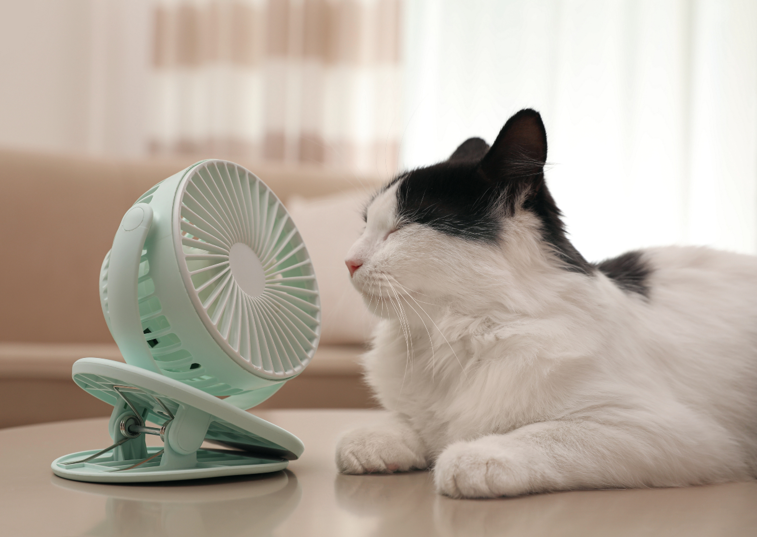
How to keep cats cool in summer
10/03/26
In this article, we will explore a variety of ways on how to keep your cat cool in summer. From indoor techniques to outdoor tips, we will cover all the bases to ensure your feline friend is comfortable and safe during the hot summer months.

Anaemia in dogs
12/02/26
Anaemia is a medical condition characterised by a decreased number of circulating red blood cells or a reduced concentration of hemoglobin in the blood. It is not a disease itself but rather a sign of an underlying health issue affecting the production, destruction, or loss of red blood cells.
Britain’s dog boom: are we ready for 13 million pets?
21/01/26
Britain’s love affair with dogs has reached record-breaking levels. A recent study based on data from Dogs Trust, the University of Leeds, and the University of Exeter shows the UK now has around 13 million pet dogs—4 million more than previously thought. This surge isn’t just a feel‑good headline—it’s reshaping demand for veterinary care, pet welfare services, and local infrastructure.
Our Pet Insurance awards






Find out more
You can find out more about our Dog Insurance product below and there’s more help available on our FAQs page.
Frequently asked questions
Dachshunds are known for their surprisingly loud bark despite their small size. Their vocal nature stems from their history as hunting dogs, where barking was essential to alert their owners to the presence of prey or intruders.
This trait can make them excellent watchdogs, but it can also lead to frequent barking if not managed properly. Training and socialisation from a young age can help control excessive barking, making them more pleasant companions in a home setting.
Yes, Dachshunds can make wonderful family pets due to their affectionate and playful nature. They are loyal and tend to form strong bonds with their owners, often following them around the house like a shadow. However, their stubborn streak and high energy levels mean they require consistent training and supervision, especially around young children.
Dachshunds may sometimes bark or snap if they feel threatened or overwhelmed, so teaching children how to interact respectfully with them is important. Proper socialisation and patience can help ensure a harmonious family environment.
No, Dachshunds are social dogs that thrive on companionship and can develop separation anxiety if left alone for extended periods. While the maximum time to leave a healthy adult Dachshund alone is generally around four hours, this can vary depending on the individual dog's temperament, age, and health.
Dachshunds are instantly recognisable due to their unique and charming appearance. They have long bodies with short legs, giving them the nickname "sausage dogs." Their coats come in three main types: smooth, long-haired, and wire-haired, each with its own grooming needs and texture.
The breed also displays a variety of colours and patterns, including solid, dapple, brindle, and piebald. Their expressive eyes and long, floppy ears add to their endearing personality and make them a favourite among dog lovers.
Dachshunds typically have a lifespan ranging from 12 to 16 years, which is relatively long for small dogs. Their longevity can be influenced by factors such as genetics, diet, exercise, and overall health care.
Regular veterinary check-ups and a healthy lifestyle can help ensure your Dachshund enjoys a long, happy life. However, due to their predisposition to certain health issues, especially back problems, early detection and treatment of medical conditions are crucial to maintaining their quality of life.
Dachshunds come in two main size categories: standard and miniature. Standard Dachshunds usually weigh between 16 and 32 pounds (7 to 14.5 kg) and stand about 8 to 9 inches (20 to 23 cm) tall at the shoulder.
Miniature Dachshunds are smaller, typically weighing under 11 pounds (5 kg) and standing about 5 to 6 inches (13 to 15 cm) tall. Despite their small stature, both sizes have a bold and confident personality, making them feel much larger than they actually are.