

Dog insurance for Britain’s most popular pet
In the UK, dogs have rightfully claimed the title of Britain’s most beloved pet, with an estimated 12 million (Statista Feb 24) of us sharing our lives with them. It’s easy to see why they hold a special place in our heart. Our furry friends keep us active, offering unwavering love and companionship, help reduce stress levels, and even enhance our social lives. They are an integral part of the family so why wouldn’t we want to protect them in any way we can?
With our dog insurance, you can rest assured that your beloved pet will receive the care they need should they ever fall ill or become injured. Our goal is to ensure they can return to their favourite activities whether its playing fetch, snuggling on the sofa or getting into places they shouldn’t! Because at Purely Pets, we understand your dog is not just a pet, but a cherished member of the family.
Our Dog insurance cover levels
Your peace of mind and your dog's happiness is at the heart of everything we do. With our range of 15 levels of lifetime cover, you have the freedom to select the policy that best suits you and your pet. You know them best!
Our Defaqto 5 Star Rating applies to our Silver and Gold cover levels providing vet fees of between £6,000-£15,000.
Lifetime Bronze

- Lifetime cover
- Vets fees from £1,000-£5,000
- Flexible Excess Options
Lifetime Silver
- Lifetime cover
- Vets fees from £6,000-£10,000
- Flexible Excess Options
Lifetime Gold
- Lifetime cover
- Vets fees from £11,000-£15,000
- Flexible Excess Options
The Purely Pets Promise
At Purely Pets, we understand the importance of pet health. Our insurance policies are designed to give pet owners peace of mind, ensuring that your pets receive the highest standard of care when they need it the most.
Why choose Purely Pets

Purely Pets Perks
Our partner deals to keep tails wagging!
We may earn a commission on purchases made through these links, with no additional cost to you.
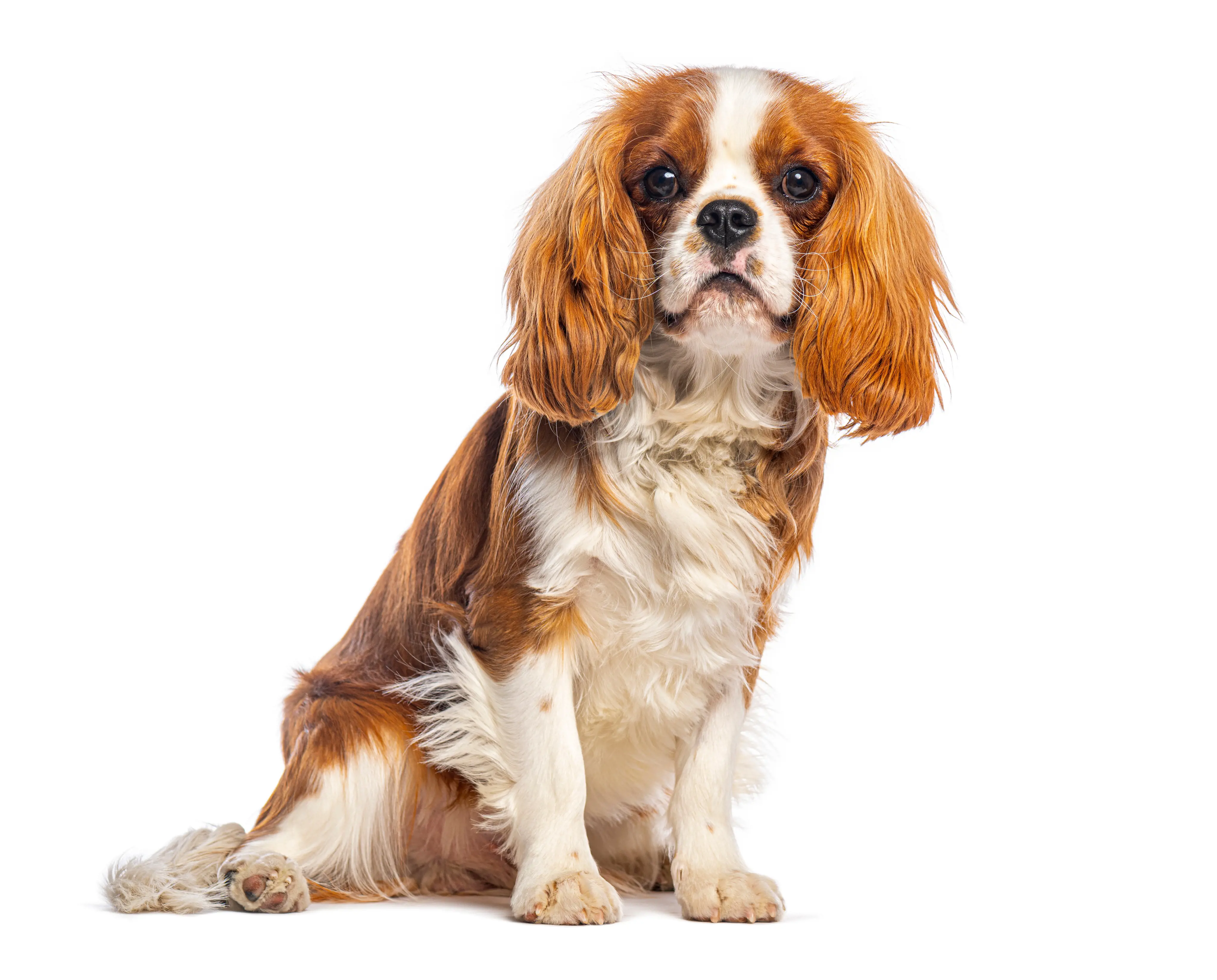
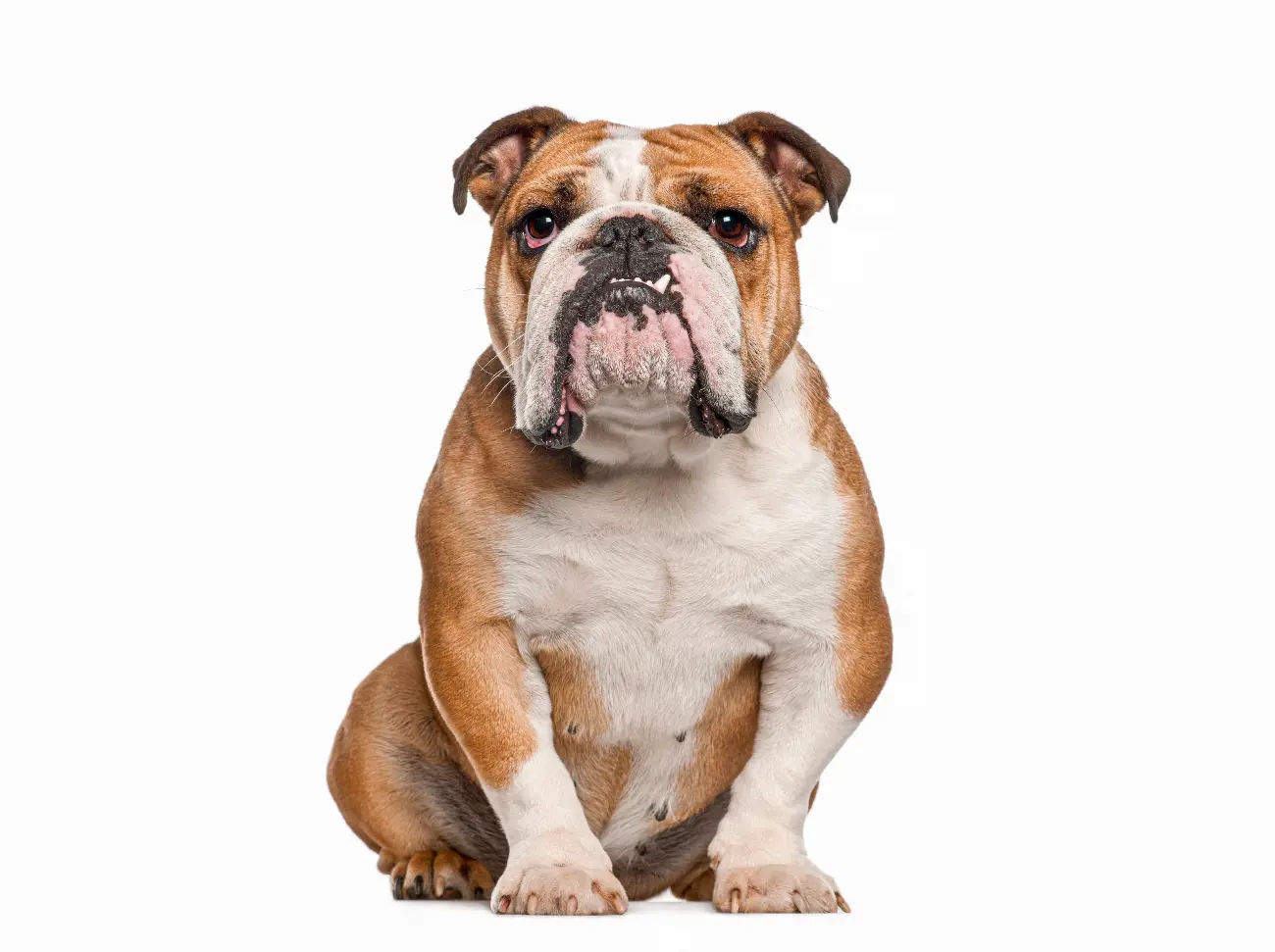
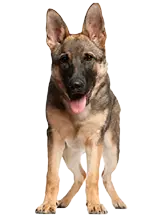
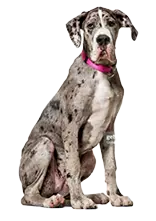
See the most popular breeds that we cover

















Why do I need dog insurance?
Dogs, more so than other pets, are sometimes more likely to suffer from sickness and injury due to how active and sociable they are. According to the Association of British Insurers (ABI), pet insurance claims reached over £1.23 billion in 2024.
With veterinary fees continuing to rise, having pet insurance for your dog can shield you from unexpected and often costly vet bills, which can quickly add up to hundreds or even thousands of pounds.
How much does dog insurance cost?
How much your dog insurance will cost depends on a number of factors:
Age
Pet ages are one of the primary factors that affects the price of dog insurance. Generally, insurance providers may consider young puppies and senior dogs to be higher risk than adult dogs, and this is reflected in the premiums.
Young puppies are more prone to certain health issues due to a less developed immune system, while older pets are more prone to fall ill.
Breed
Certain dog breeds are more prone to certain health issues, which can increase the premium of your dog insurance.
Larger breeds, such as Great Danes, typically cost more to insure due to the potential for higher veterinary bills as they are at an increased risk of suffering from joint/hip related issues.
Other breeds such as Pugs are known to have respiratory issues which may also be considered when calculating the cost of a dog insurance policy.
Excess
Excess is a term which is used to describe the amount of money that the dog owner must pay towards the cost of each claim.
The cost of the excess can affect the price of the dog insurance. For example, if the excess that you contribute towards veterinary bills is higher, then the cost of the insurance is likely to be lower.
Where you live
Veterinary costs differ depending on your location. For example, vet fees tend to be higher in London, or there may be a higher propensity to claim within that area, which means your dog insurance premiums may also be more expensive.
If you would like to talk to one of our dog insurance quote specialists or make a hassle-free claim as an existing policy holder, you can get in touch with us on 0330 102 5748.
How can I get cheaper dog insurance?
If you’re looking to get cheaper dog insurance, you may want to consider these things:
-
Keep your dog healthy
Providing a balanced diet, regular exercise, and ensuring your dog's vaccinations are up to date can help reduce the likelihood of health issues and vet visits. This not only benefits your dog's wellbeing but can also help keep your insurance premiums lower by reducing the chances of making a claim. -
Neuter or spay your dog*
Neutering or spaying your dog can decrease the risk of certain serious health problems, which may contribute to lower insurance costs and promote your pet’s long-term health.
*It is important to note that preventative treatments such as vaccinations, neutering and spaying will not be covered by our insurance policies.
What types of dog insurance are there?
The type of dog insurance you choose will depend on the level of cover you need. Most insurers include an excess that you must contribute towards each claim, along with limits on how much can be paid out per condition and/or an overall maximum annual limit.





What does pet insurance for dogs cover?
Step into the world of pet insurance, designed with your dog in mind. In this special section, we uncover the comprehensive care and protection your beloved pet deserves. Explore what our dog-specific insurance covers and the ins and outs of vet fees. It’s all about ensuring your dog’s health and happiness with the peace of mind that you both deserve. Take a look at what you can expect to have covered when taking out Purely Pets Lifetime Gold:




What isn’t covered by dog insurance?
Common exclusions include:
-
Pre-existing medical conditions
Most pet insurance policies exclude coverage for any medical conditions your dog already has. This can include chronic illnesses like heart disease or hip dysplasia. Conditions your dog has experienced within the past 48 months may not be covered. This means that if an old injury reoccurs, treatment costs might not be reimbursed. -
Routine treatment
Routine and preventative care, such as vaccinations, neutering or spaying, and worm or flea treatments, are typically not covered by pet insurance policies. -
Pregnancy
Costs related to pregnancy, labour, and care for newborn puppies generally fall outside the scope of coverage. -
Waiting period
When you first take out your dog’s insurance, all insurance providers will have a waiting period from the start of a policy before you can make a claim. At Purely Pets, there is a waiting period of 14 days for illness and 48 hours for accidents —during which claims cannot be made.
How do I get a quote to insure my dog?
To get a dog insurance quote, we'll need some information about you and your pet, including:


At Purely Pets, you can get an online quote in minutes. We offer a variety of lifetime cover options with vet fees coverage ranging from £1,000 to £15,000, along with flexible excess choices, so you can find a policy suited to your needs and budget. If you'd like to speak with someone, our dedicated dog insurance team is available to help. Simply call us at 0330 102 5748 to discuss your options or get a quote.
Insuring a dog

Jennifer Macindoe, BVMS MRCVS
Veterinary SurgeonThe benefits of insuring a dog include financial protection, access to necessary treatments and specialist care, and peace of mind. Insurance provides reassurance that you’re prepared for unforeseen medical costs, allowing you to focus on your dog’s well-being.
Pet advice & news
Arthritis in dogs: Symptoms, treatment and costs
02/10/26
As dogs get older, it's natural to notice small changes in how they move. They might take longer to get up, hesitate before jumping onto the sofa, or seem less enthusiastic on walks.
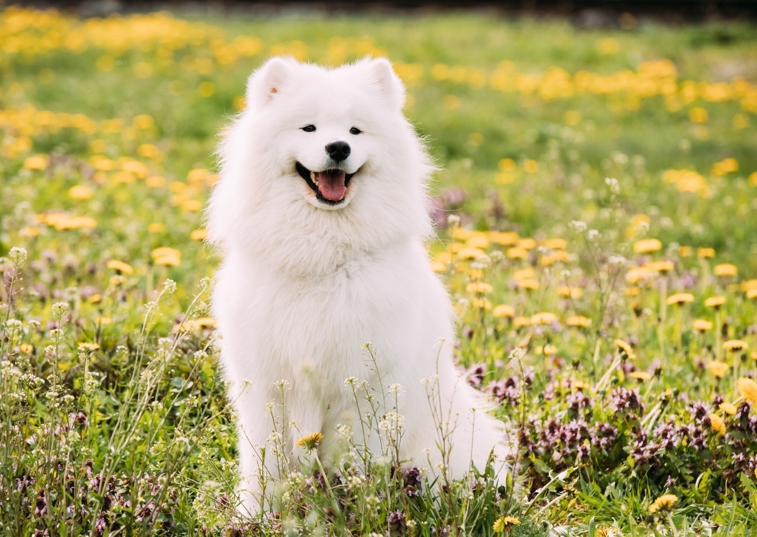
The Samoyed dog breed: The fluffy, smiling Sammie guide
03/09/26
Meet the Samoyed – the walking, howling, permanently-grinning snowball that has stolen hearts from the Siberian tundra to Madison Square Garden. If you've ever wondered whether life with a Sammie would be all fluff and giggles, or whether you'd be signing up for years of hoovering white fur off your sofa, this guide has your back.
How pre-existing conditions affect senior pet insurance
30/07/26
As our beloved pets grow older, their health needs naturally change, and many pet owners start to wonder how pre-existing conditions affect senior pet insurance. Understanding this can help you make the best choices to protect your furry friend's wellbeing while managing vet bills effectively.
Training a dog as a first time owner
Jennifer Macindoe, BVMS MRCVS
Veterinary SurgeonShort sessions: start with 5-10 minute training sessions focusing on basic commands like “sit” and “stay.” Use treats as positive rewards. Take your dog on short, relaxed walks to build confidence and socialisation. Allow them to explore at their own pace. Let them sniff, it provides excellent mental stimulation.
Frequently Asked Questions
You can find out more about our Dog Insurance product below and there’s more help available on our FAQs page.
No, but if your dog falls ill, gets injured, causes harm to someone, or damages property, you could face significant expenses. Pet insurance can help protect you from these unexpected costs.
Yes. All dogs must be microchipped and registered before they reach eight weeks of age – it's a legal requirement.
As all pet owners know, dogs are constantly getting themselves into trouble. So it comes as no surprise that dogs are quite prone to the odd bump and scratch.
The most common health problems seen in dogs include:
- Skin issues e.g. rashes and dermatitis
- Digestive problems e.g. vomiting and diarrhoea
- Ear infections
- Intestinal parasites
- Bacterial or yeast infections
- Gum disease
For possible exclusions to Purely Pets insurance policies, please refer to our policy wording.
No, at Purely Pets, you cannot cover more than one dog on the same insurance policy.
However, multiple pets can be insured but each pet will have their own benefit limits. Therefore, any claims that may happen will not impact the other pets policy.
Teeth cleaning or dental prophylaxis is important for your dog's oral health but is not covered by our dog insurance policies, as routine and preventative care is generally excluded. However, dental treatment due to accidents or illness may be covered, depending on your policy's terms and cover limit.
Purely Pets offers up to £2,000 cover for dental treatment on Gold & Silver Lifetime plans, and £500 on Bronze. Accident-related dental cover applies from year one, while dental illness cover starts after 12 months*. Coverage limits and exclusions, including pre-existing conditions, vary by policy. Please read the policy terms carefully when choosing your plan.
*Subject to evidence of annual dental check-ups, and any treatment recommended by the vet has been carried out at your own expense.
Yes, dog bites are generally covered under third party liability cover*. This protection helps if your dog injures someone or causes damage to another person's property. It can assist with legal expenses and compensation claims resulting from a dog bite incident. Our lifetime pet insurance policies include third party liability cover up to £2 million as part of our packages.
*If your dog has shown any aggressive tendencies prior to having cover on our policies, they will be excluded from cover.
No, neutering is not covered by insurance as it is considered a routine or preventative treatment and, as such, is typically not covered by our pet insurance policies. This means that the cost of neutering your dog will usually need to be paid out of your own pocket.
No, spaying, also known as ovariohysterectomy, will not be covered as it is considered a routine or preventative treatment.
Whether prescription dog food is covered by pet insurance depends largely on the terms and conditions of your specific policy. So it is important to review your policy details for further information.
No, we do not cover the costs associated with service dog training. This is because training expenses are generally considered separate from veterinary treatment or medical care, which pet insurance typically covers.
Yes, dog cataract surgery is often covered by our lifetime insurance policies. Cataracts can cause significant vision impairment or blindness in dogs, and surgery is typically the most effective treatment to restore sight.
Coverage for cataract surgery usually falls under veterinary treatment for illnesses or conditions that develop during the policy period, provided the condition is not pre-existing.
No, vaccinations will not be covered as they are considered routine treatment.
Emotional support dogs (ESAs) play a vital role in providing comfort and companionship to individuals dealing with mental health challenges such as anxiety, depression, or PTSD. While these dogs are not classified as service animals under the law, their importance to their owners is undeniable.
When it comes to pet insurance, emotional support dogs are generally covered in the same way as any other pet. This means that if your emotional support dog requires veterinary treatment due to illness or injury, your pet insurance policy should cover the costs according to the terms and conditions of your plan.
Yes, if it's medically necessary it might be covered, provided no signs or symptoms of the condition were present prior to policy inception. Brachycephalic Obstructive Airway Syndrome (BOAS) is a common condition for flat-faced pets, like French Bulldogs. You can find out if surgery for it is covered by calling us on 0330 102 5748 or checking the policy details.
Yes, our pet insurance policies do cover the treatment for cherry eye, provided that it is not a pre-existing condition or hereditary (inherited from the dog's parents). Cherry eye is a condition where the gland of the third eyelid prolapses and becomes visible as a red, swollen mass in the corner of the eye.
No, we do not offer cover for working dogs.
We will not cover the following breeds:
- African Crested dog
- Akita
- American Bulldog
- American Bully
- Australian Dingo
- Boar Hounds
- Bullmastiff
- Canadian Eskimo Dog
- Canadian Inuit
- Cane Corsos
- Chinese Shar Pei
- Chow Chow
- Cirenco Dell'etna
- Danish Pointer
- Dogo Argentinio / Argentinian Mastiff
- Dogue de Bordeaux
- English Pointer
- Eskimo Dog
- Fila Braziliero
- French Mastiff
- German Longhaired Pointer
- German Pointer
- German Shorthaired Pointer
- German Wire Haired Pointer
- Grand Bleu de Gascoigne
- Inuit
- Irish Staffordshire Bull Terrier
- Japanese Akita
- Japanese Tosa / Tosa Inus
- Mexican Hairless
- Northern Inuit
- Perro de Presa Canario
- Pit Bull Terrier
- Pocket Bully
- Pointer
- Pointer - German
- Pointer - German - Short
- Pointer - German - Wire
- Pointer Shorthaired
- Pointer Wirehaired
- Portuguese Podengo
- Portuguese Warren Hound
- Rottweiler
- Rottweiler (German)
- Segugio Italiano
- Shar Pei
- Slovakian Rough Haired Pointer
- Staffordshire Bull Terrier
- Tamaskan
- Utonagan
- Working Sheepdog
- XL Bully Type
- Any dogs listed under the Dangerous Dog Act 1991