



Top 6 vital stats about Dachshunds...

Social
Great family dogs

Exercise
30+ mins per day

Grooming
Weekly brushing

Feeding
2 times a day

Training
Requires frequent exercise and stimulation

Shedding
Light
How do Dachshunds interact?
Good with other pets?
Dachshunds can be friendly with other pets, especially if they are socialised from a young age. However, due to their hunting dog instincts, they may sometimes chase smaller animals. Proper dog training can help manage this behaviour.
Good with people?
Dachshunds are known for their affectionate nature and can be very loyal to their families. They tend to bond closely with their owners, making them excellent companions. However, early socialisation is key to preventing any potential aggression towards strangers.
Good with children?
Dachshunds are generally good with children and can be playful companions. Their playful nature makes them a hit with kids, but it's important to supervise interactions to ensure gentle handling, especially with Dachshund puppies.
Dachshund interaction summary
Dachshunds, also known as wiener or sausage dogs, are playful and affectionate small dogs with deep chests and short legs. Generally friendly with people and other pets when properly socialised, their strong hunting instincts may lead them to chase smaller animals. With consistent dog training and early socialisation, they can coexist well with other pets and avoid aggression toward strangers.
Caring for your Dachshund
Do Dachshunds need a lot of training?
While Dachshunds are generally low maintenance in grooming, their needs vary by coat type. Smooth Dachshunds require occasional brushing to keep their shiny coat healthy. Longhaired Dachshunds need frequent brushing to prevent tangles and matting. Wirehaired Dachshunds benefit from regular grooming to maintain their unique coat texture, sometimes requiring professional care to look their best.
Do Dachshunds have common health issues?
Dachshunds are prone to Intervertebral Disc Disease (IVDD) due to their long spine, which can cause back problems. Proper support, avoiding strenuous activities, and regular veterinary check-ups are important. They are also susceptible to obesity, so maintaining a healthy weight through diet and exercise is important.
How many times a day do they eat?
Dachshunds typically eat two meals a day, which helps maintain their energy levels and prevent overeating.
Dachshund care summary
Caring for a Dachshund involves meeting their unique needs. Regular exercise is essential to maintain a healthy weight and prevent obesity, which can strain their elongated spine. Engaging them in playful activities keeps them fit and mentally stimulated. Their grooming needs depend on coat type: smooth Dachshunds require minimal brushing, longhaired ones need frequent brushing to avoid matting, and wirehaired Dachshunds benefit from regular grooming, sometimes requiring professional care.
Dachshunds personality & temperament
Do Dachshunds need a lot of training?
Dachshunds are intelligent and independent, which can sometimes make training a challenge. Consistent and patient dog training is essential to teach them obedience and manage their stubborn streak.
What energy levels do Dachshunds have?
Dachshunds are lively and energetic dogs, requiring regular exercise to stay healthy and happy. Despite their small size, they have a surprising amount of stamina and enjoy activities like walks, playtime, and even agility training.
Do Dachshunds bark a lot?
Known for their big dog bark, Dachshunds can be quite vocal. They often bark to alert their owners of strangers or changes in their environment.
Dachshund personality summary
The Dachshund breed is known for its lively and spirited personality. These dogs are curious and adventurous, often displaying a fearless attitude despite their small size. They have a strong sense of smell, which makes them excellent at tracking and hunting. This trait is a remnant of their history as badger dogs, where they were used to hunt badgers and other small animals.
Did You Know?
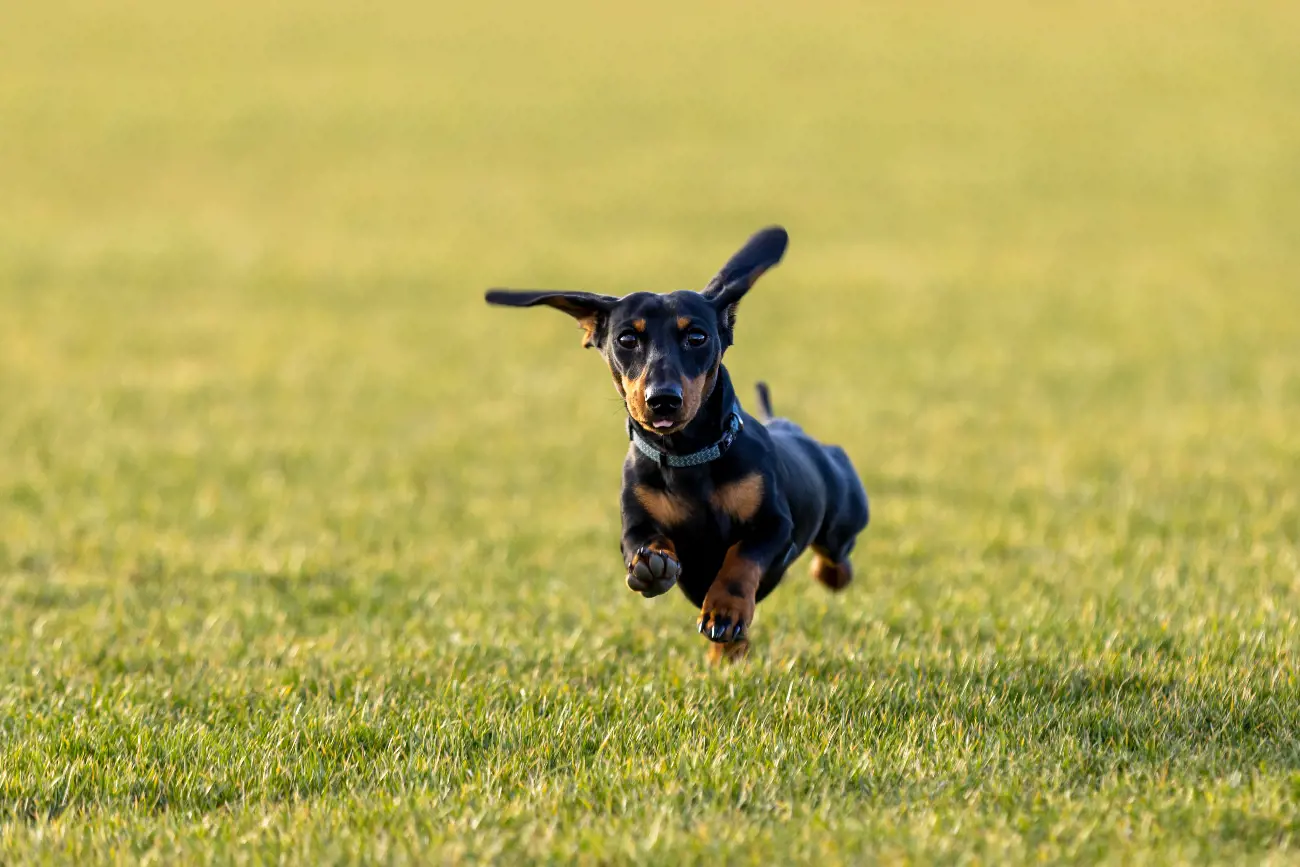
Dachshunds were originally bred in Germany over 300 years ago to hunt badgers. Their name actually comes from the German words "dachs" meaning badger and "hund" meaning dog.
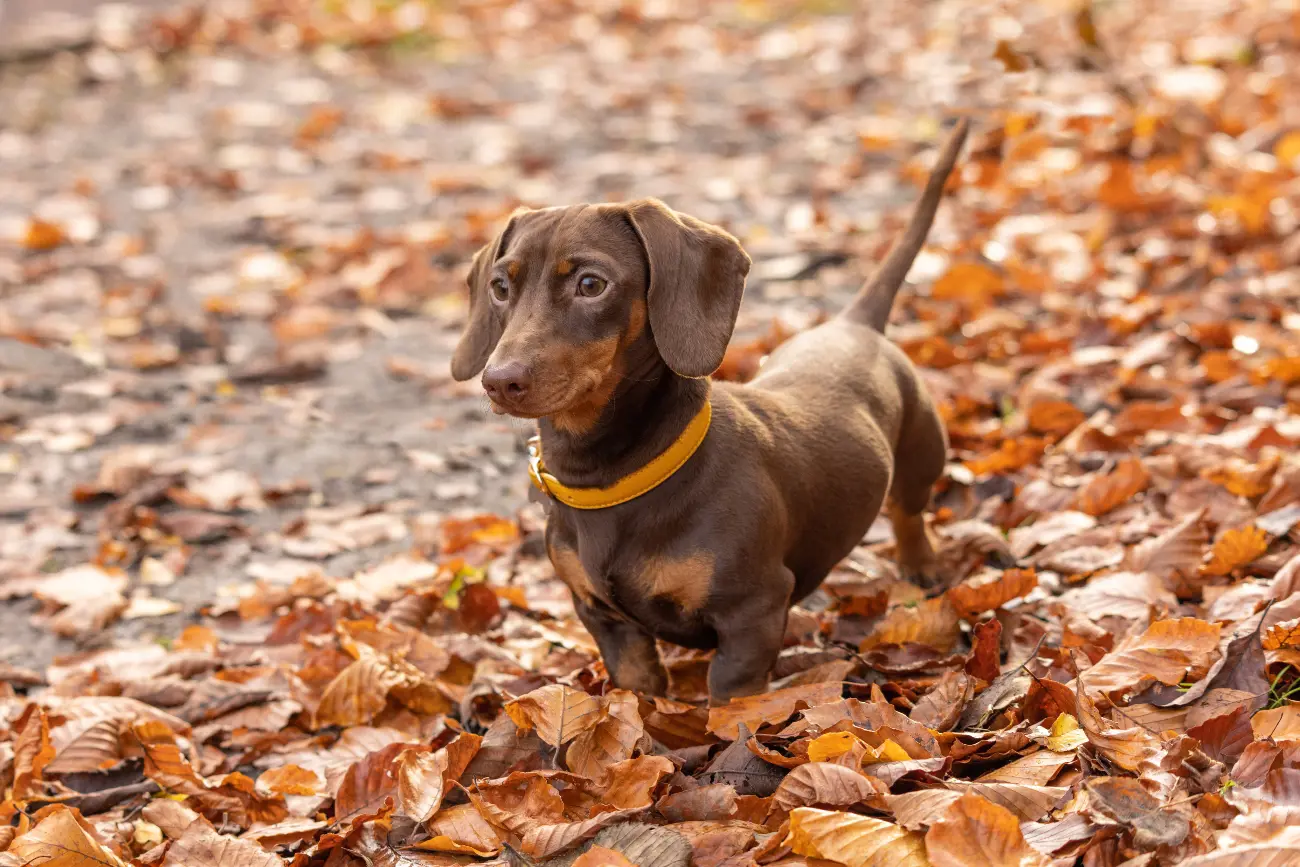
Despite their small size, Dachshunds have a big dog bark, making them excellent watchdogs. Their deep, loud bark can be surprising for those unfamiliar with the breed.
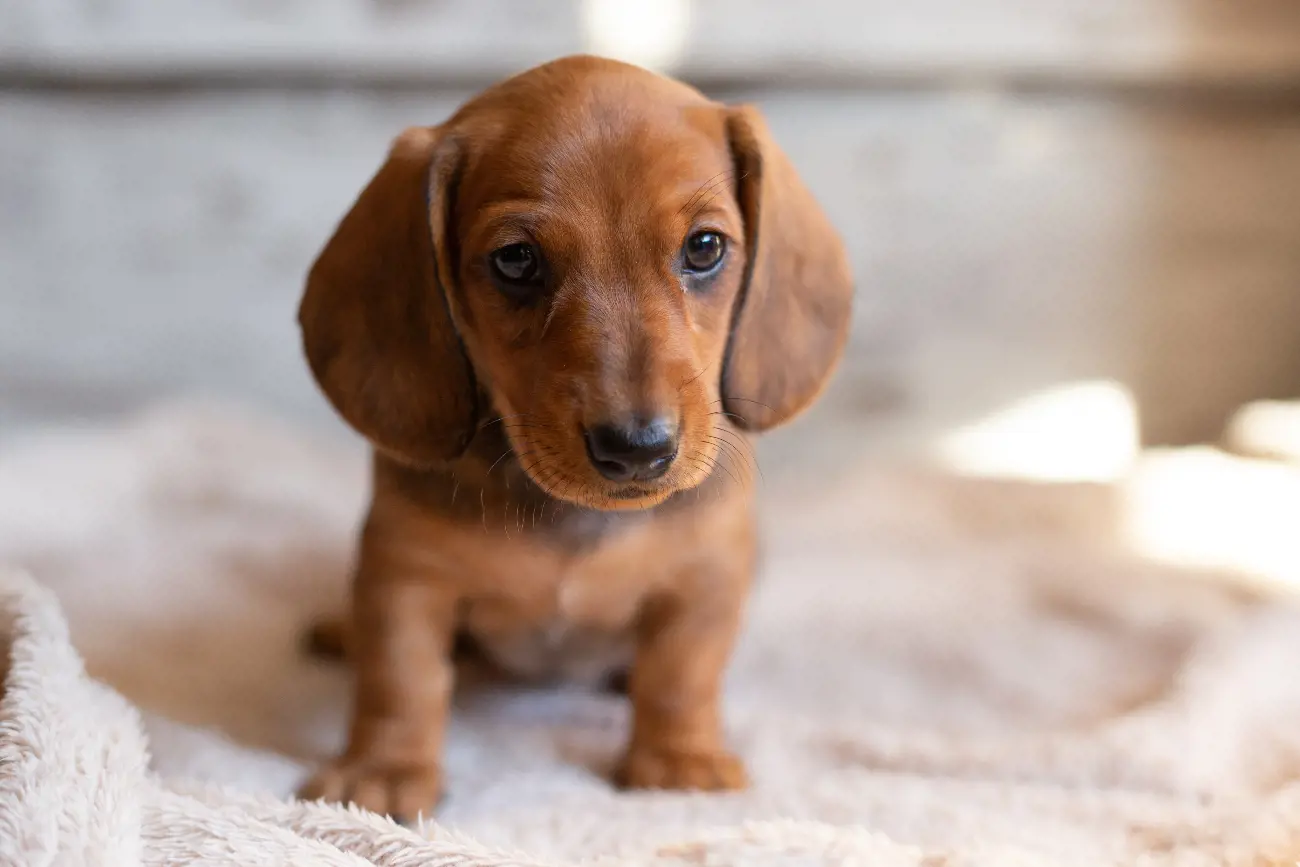
Dachshunds are a favourite among many Dachshund enthusiasts and have even been featured in popular culture, including movies and cartoons.
Package available for your Dachshund includes
Bronze
Silver
Gold
Complementary treatment
Up to
£500
per illness/injury
Up to
£750
per illness/injury
Up to
£1000
per illness/injury
3rd Party Liability (dogs only)
Up to
£1M
per illness/injury
Up to
£2M
per illness/injury
Up to
£2M
per illness/injury
Death from Illness*
*Death from illness does not apply to dogs aged 9 and over & cats aged 11 and over
£1,000
£1,500
£2,000
Death from accident
£1,000
£1,500
£2,000
Dachshund Training & Exercise

- Dachshunds are intelligent but stubborn, so consistent, patient training with positive reinforcement is essential.
- Start young, use treats and praise, and include engaging activities like puzzle toys or scent games to keep them motivated.
- Dachshunds may develop separation anxiety if left alone too long.
- prevent this, gradually increase alone time, provide interactive toys, and create a comfortable space like a crate.
- Regular exercise and mental stimulation also help reduce anxiety.
- Dachshunds need regular daily exercise like walks and play to stay healthy and prevent weight gain.
- Though small, they enjoy activities such as fetch and agility but avoid jumping or strenuous strain to protect their backs.
- Regular activity also helps manage their energetic nature.
- Early socialisation is important for Dachshunds to become confident and well-behaved.
- Introduce them to different people, environments, and pets, with puppy classes offering a controlled setting.
- Proper socialisation prevents behavioural issues and ensures they are friendly with strangers and other animals.
Dachshund Maintenance
- Dachshunds come in various coat types, each with specific grooming requirements. Smooth coated Dachshunds need minimal grooming, just occasional brushing to keep their shiny coat in good condition.
- Long-haired Dachshunds require more frequent brushing to prevent their long fur from tangling and matting. Wire-haired Dachshunds benefit from regular grooming to maintain their unique coat texture. Professional grooming may be necessary for some Dachshunds to keep their coat looking its best.
- Bathing your Dachshund is an important but infrequent part of their grooming routine to maintain healthy skin and coat.
- Smooth-coated Dachshunds usually need a bath every few months using a mild shampoo, while long-haired and wire-haired varieties may require baths more often, followed by thorough drying and brushing to prevent mats and maintain coat texture.
- Protect their floppy ears from water to avoid infections, and use lukewarm water with gentle handling. After bathing, towel dry and, if tolerated, use a low, cool blow dryer to finish drying.
- Brushing their teeth several times a week helps prevent dental disease, which is common in small breeds.
- Dental chews and professional cleanings can also contribute to maintaining good oral hygiene.
- Owners should also pay attention to their nails, trimming them regularly to prevent overgrowth and discomfort.
- Ear cleaning is important, as it helps prevent infections by removing excess wax and debris.
Dachshund Common Health Conditions
- Due to their small size and relatively low exercise tolerance, Dachshunds are prone to obesity.
- Excess weight puts additional strain on their spine and joints, increasing the risk of IVDD and arthritis. Maintaining a healthy weight through proper diet and regular exercise is essential.
- Owners should monitor their dog’s weight and body condition closely and consult their veterinarian for dietary recommendations.
- Luxating patella, or a slipping kneecap, is another condition that can affect Dachshunds, especially as they age. This causes intermittent lameness or a skipping gait in the hind legs.
- Mild cases may not require treatment, but more severe instances might need medication or surgery. Maintaining a healthy weight and providing joint supplements can help reduce symptoms.
- Though more common in large, deep-chested breeds, Dachshunds can suffer from bloat and GDV due to their deep chest shape.
- Bloat is a life-threatening condition where the stomach fills with gas and can twist, cutting off blood supply.
- Symptoms include a swollen abdomen, restlessness, drooling, and attempts to vomit. Immediate veterinary attention is necessary.
- Small breeds like Dachshunds are susceptible to dental problems such as periodontal disease.
- Regular dental care, including brushing teeth several times a week and professional cleanings, helps prevent plaque buildup and tooth loss. Providing dental chews can also support oral health.
Frequently Asked Questions
Dachshunds can make excellent family pets, especially for families with older children who understand how to interact gently with smaller dogs. Their playful nature and loyalty make them affectionate companions.
However, because of their hunting instincts and sometimes stubborn personality, supervision is recommended during interactions with young children to ensure safe and positive experiences for both the dog and the child.
Dachshunds are known for their intelligence and problem-solving abilities. They are quick learners but can also be quite independent and stubborn, which sometimes makes training a challenge.
Positive reinforcement methods, such as treats and praise, work best to motivate them. Their intelligence means they enjoy mental stimulation and activities like puzzle toys, scent games, and training exercises that keep their minds engaged.
The average lifespan of a Dachshund is typically between 12 to 16 years, which is relatively long compared to many other dog breeds. Their longevity depends on factors such as genetics, diet, exercise, and regular veterinary care.
The correct pronunciation of "Dachshund" is “dahks-hund” (pronounced /ˈdɑːksˌhʊnd/). The name comes from the German words “dachs,” meaning badger, and “hund,” meaning dog, reflecting the breed’s original purpose as badger hunters.
Despite the tricky spelling, the pronunciation is straightforward once learned, and it is commonly shortened to nicknames like “doxie,” “wiener dog,” or “sausage dog” in casual conversation.
It is generally advised not to purchase teacup Dachshunds. These extremely small dogs are often bred with little regard for health, leading to a higher risk of genetic and medical problems. Teacup Dachshunds may suffer from fragile bones, respiratory issues, and other complications due to their tiny size.