
Which Christmas plants are poisonous to dogs?
10th December, 2025

The festive season brings joy and celebration, but it also introduces a variety of festive plants into our homes that can pose risks to our four-legged friends. Knowing which Christmas plants are poisonous to dogs is important to keep your pet safe during this special time of year.
Many traditional Christmas plants, while beautiful and symbolic of the season, contain toxic substances that can cause mild stomach upset to more serious health issues if your dog ingests them.
Are Poinsettias poisonous to dogs?
Poinsettias are among the most popular festive plants used for home decoration during the Christmas period. Despite their reputation, poinsettias are only mildly toxic to dogs.
The milky white sap found in the coloured leaves can cause irritation in a dog's mouth, leading to drooling, vomiting, or diarrhoea if ingested. While generally considered low toxicity, it is best to keep poinsettias out of paws reach to avoid any tummy issues in your dog.
Are Holly Berries dangerous to dogs?
Holly plants are a traditional Christmas decoration, often used in wreaths and garlands. Eating holly leaves or berries can lead to gastrointestinal upset in dogs, including vomiting and diarrhoea. The sharp holly leaves may also cause physical injury to a dog's mouth or throat.
In rare cases, eating holly berries in large quantities can affect a dog's blood pressure or cause breathing difficulties. Therefore, it is important to dog proof your home by placing holly well out of reach of your pets.
Theobromine in Holly
Theobromine is a naturally occurring alkaloid found in holly berries, which can be particularly dangerous to dogs. This compound is chemically similar to caffeine and affects the heart and nervous system.
When a dog eats holly berries containing theobromine, they may experience symptoms such as an abnormal heart rate, low blood pressure, vomiting, diarrhoea, and in extreme cases, seizures or difficulty breathing.
Small amounts may cause mild gastrointestinal issues, but larger quantities can be highly poisonous and require immediate veterinary attention.
Because of these risks, it is important to keep holly wreaths and decorations well out of your pet's reach during the festive season to prevent accidental ingestion and ensure your dog's safety.
Is Mistletoe poisonous?
Mistletoe is a classic festive tradition, often hung in doorways and used as a symbol of holiday cheer. However, mistletoe is also a toxic plant that can pose a risk to dogs if ingested.
All parts of the mistletoe plant—including the leaves, stems, and berries—contain toxic substances that can cause a range of symptoms in dogs.
If a dog eats mistletoe, it may experience gastrointestinal issues such as vomiting, diarrhoea, and abdominal pain. In some rare cases, larger amounts of ingested mistletoe can lead to more severe symptoms like abnormal heart rate, low blood pressure, tremors, or difficulty breathing.
Although mistletoe is generally considered to be of low toxicity, it is best to keep it well out of reach of pets during the Christmas season to prevent accidental ingestion.
Is Ivy dangerous to dogs?
Ivy is a popular plant used in many Christmas wreaths and home decorations. While it adds a lovely green touch to festive settings, ivy can be harmful to dogs. If ingested, ivy leaves and stems can cause mild to moderate gastrointestinal upset, including vomiting and diarrhoea.
In addition to ingestion risks, contact with ivy can cause skin irritation or allergic reactions in dogs. This is especially important to consider if your dog tends to sniff or rub against plants in the house or garden. To keep your dog safe during the festive season, ensure ivy decorations are placed well out of reach.
Can Potpourri hurt dogs?
Potpourri, a mixture of dried flowers, leaves, and other plant materials, is often used to add fragrance and festive decoration to the home. However, potpourri can be dangerous for dogs if they chew or eat it. The dried plant materials may contain toxic substances that cause vomiting, diarrhoea, and stomach pain.
Moreover, potpourri often contains hard items like pine cones or bark, which can pose a choking hazard or cause blockages in a dog’s digestive tract.
Some potpourri is artificially coloured or scented, which may increase the risk of toxicity or allergic reactions. Because of these dangers, it’s best to keep potpourri out of reach of dogs during the Christmas period.
Are Amaryllis poisonous to dogs?
Amaryllis plants are a popular festive flower, often brightening up homes during the Christmas season with their large, beautiful blooms. However, amaryllis is highly toxic to dogs, especially the bulbs.
If a dog eats any part of an amaryllis plant, it can suffer from severe gastrointestinal symptoms such as vomiting, diarrhoea, abdominal pain, drooling, and lethargy.
In some cases, ingestion of amaryllis can also cause tremors or other neurological symptoms. Because of the high toxicity of this plant, it is important to keep amaryllis flowers and bulbs completely out of reach of pets, and seek veterinary advice immediately if ingestion is suspected.
Is Christmas tree sap poisonous to dogs?
Christmas tree sap is generally not highly toxic to dogs, but it can cause irritation if ingested. The sticky sap found on real Christmas trees, such as fir, pine, and spruce, may irritate a dog's mouth and stomach, leading to excessive drooling, vomiting, or diarrhoea.
Additionally, pine needles that fall from the tree can be sharp and pose a risk of physical injury to a dog's mouth, throat, or digestive tract if swallowed. To protect your dog, consider using a tree guard or placing the tree in an area that is inaccessible to your pet. Regularly cleaning up fallen needles can also help reduce the risk of ingestion.
Are Crocuses poisonous to dogs?
Crocuses are beautiful flowering plants that often bloom in late winter or early spring, and some varieties are popular in holiday decorations. However, both the Spring Crocus and the Autumn Crocus contain toxic compounds that can be harmful to dogs if ingested.
The Spring Crocus tends to cause gastrointestinal upset such as vomiting, diarrhoea, and excessive drooling. The Autumn Crocus is more dangerous and contains colchicine, a toxin that can lead to severe symptoms including vomiting, diarrhoea, organ damage, and bone marrow suppression. Ingesting even small amounts of Autumn Crocus can be life-threatening for dogs.
Because crocuses may be present in gardens or as part of floral arrangements during the festive season, it is important to keep your dog away from these plants and seek immediate veterinary care if you suspect ingestion. Early treatment can help reduce the severity of poisoning and improve the chances of recovery.
What other plants are poisonous to dogs?
Apart from the well-known festive plants like poinsettias, holly, mistletoe, and ivy, there are many plants that can be poisonous to dogs during the Christmas season. For example, lilies are highly toxic and can cause severe kidney failure in dogs and cats if ingested.
Other plants such as amaryllis and Christmas cactus, while less toxic, can still cause gastrointestinal upset if eaten in large quantities. It is important to be aware of all the plants in your home during the festive season and keep potentially harmful ones out of your dog's reach.
What to do if you think your dog has eaten something it shouldn't have?
If you suspect your dog has ingested a toxic plant or any other harmful substance, it is crucial to act quickly. First, remove your dog from the source of the poison to prevent further ingestion. Do not attempt to induce vomiting or give any home remedies unless advised by a veterinarian.
Contact your vet immediately and provide them with as much information as possible, including the type of plant ingested and the amount. If possible, take a sample or a clear photo of the plant to assist the vet in diagnosis and treatment. Early veterinary intervention can make a significant difference in outcomes for poisoned pets.
Wrapping up
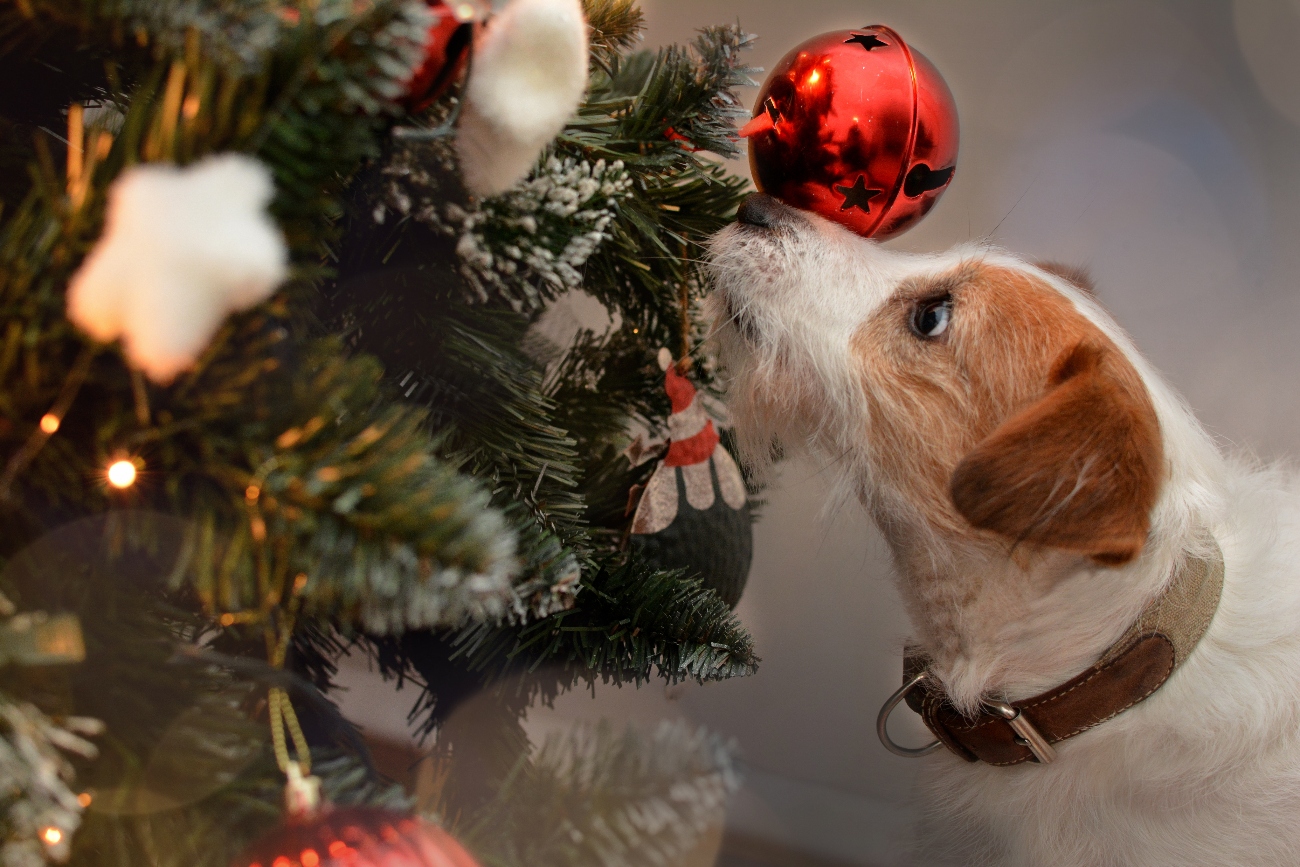
The festive season is a wonderful time to celebrate, but it also comes with hidden dangers for our beloved dogs. Many traditional Christmas plants are poisonous to dogs and can cause symptoms ranging from mild stomach upset to severe health issues like kidney failure.
To keep your dog safe, be vigilant about which festive plants you bring into your home and always dog proof areas where these plants and decorations are displayed. If your pet eats any toxic plant or shows signs of illness, seek veterinary advice immediately.
With careful planning and awareness, you can ensure a joyful and safe Christmas day for both you and your furry friend. To ensure you're prepared for unexpected health concerns, consider getting a quote for dog insurance through our website. With a dog insurance policy at Purely Pets, you get access to 24/7 vet advice with Joii. If you'd like to talk to one of our dog insurance specialists, you can get in touch with us on 0330 102 5748.
Helpful Pages
Recent Posts
How to keep cats cool in summer
10/03/26
Anaemia in dogs
12/02/26
How to groom your cat properly
09/01/26
Pet Insurance Quote
- 98% claims paid *
- Claims paid directly to vets
- 24/7 vet video consultations
- Interest free monthly payments