


Top 6 vital stats about English Bulldogs...

Social
Friendly and easygoing

Exercise
30+ mins per day

Grooming
Weekly brushing

Feeding
2 times a day

Training
Requires frequent exercise and stimulation

Shedding
Heavy
How do English Bulldogs interact?
Good with other pets?
English Bulldogs are sociable and tend to get along well with other pets, including dogs and other animals. Their calm, gentle nature makes them good companions in multi-pet households. Early socialisation and proper introductions are important to ensure positive relationships, while generally friendly, their stubborn streak means supervision is advised during initial interactions.
Good with children?
English Bulldogs are generally known to be good with children, their gentle and patient nature makes them suitable companions for kids. However, as with any breed, interactions between dogs and young children should always be supervised to ensure safety for both. Bulldogs tend to be sturdy and tolerant, but they can also have a stubborn streak, so teaching children how to properly approach and handle the dog is important.
Good with people?
English Bulldogs are typically very friendly and sociable dogs, they enjoy the company of people and often form strong bonds with their family members. Bulldogs are known for their affectionate nature, often seeking attention and cuddles from their owners, they can be quite charming and enjoy meeting new people, though their laid-back temperament means they are usually calm rather than overly energetic in social situations.
English Bulldogs interaction summary
English Bulldogs are known for their friendly and easy going nature, making them excellent companions in various social settings, they generally get along well with other pets, including dogs and other animals, making them suitable for multi-pet households. With children, English Bulldogs are typically patient and gentle, making them good family pets. They are affectionate and enjoy bonding with family members, often seeking attention and cuddles.
Caring for your English Bulldogs
Do English Bulldogs need a lot of grooming?
English Bulldogs have a short, smooth coat that sheds moderately year-round, despite their short fur, they shed more than some other short-coated breeds. Their distinctive skin folds and thick wrinkles, especially around the face, neck, and tail pocket, need regular cleaning to prevent infections.
Do English Bulldogs have common health issues?
English Bulldogs are prone to several health problems due to their unique physical traits. A major concern is brachycephalic obstructive airway syndrome (BOAS), caused by their flat faces and short noses, leading to breathing difficulties and overheating, especially in hot weather.
How many times a day do they eat?
English Bulldogs typically do well with being fed two times a day, once in the morning and once in the evening. Dividing their daily food portion into two meals helps maintain stable energy levels and prevents overeating, which is important given their tendency toward obesity. Bulldog puppies, however, require more frequent feeding, usually three to four times a day, to support their rapid growth and development.
English Bulldog care summary
Caring for an English Bulldog involves understanding their unique needs. These gentle dogs make wonderful family pets but require specific care to maintain their health. Due to their brachycephalic traits, they often have breathing issues and are sensitive to heat, so a cool environment and limited exercise in warm weather are important. Regular grooming is important, especially cleaning and drying the skin folds and thick wrinkles around their face, neck, and tail pocket to prevent infections.
English Bulldogs personality & temperament
Do English Bulldogs need a lot of training?
English Bulldogs are known for their gentle nature but can be stubborn, making training a bit challenging. They respond best to consistent, patient training with positive reinforcement like treats, praise, and play. Short, fun sessions keep their attention and prevent boredom. Starting early, especially during puppyhood, helps establish good habits and socialisation. Exposure to various environments, people, and dogs aids in developing confident, well-mannered adults.
What energy levels do English Bulldogs have?
English Bulldogs tend to have relatively low to moderate energy levels, they are not overly active dogs and are often content with short bursts of play and moderate exercise. While they enjoy activities like short walks, playing tug of war, or a bit of backyard exploration, they are generally known as couch potatoes who prefer lounging around with their pet parents.
Do English Bulldogs bark a lot?
English Bulldogs are not known to be excessive barkers, they tend to be relatively quiet dogs, though they may snore, snort, or wheeze due to their flat faces and breathing difficulties, while they may alert their owners to visitors or unusual noises, they are generally calm and laid-back when it comes to vocalising. Their affectionate and gentle nature means they often prefer to communicate with their humans through body language and expressions rather than frequent barking.
English Bulldogs personality summary
English Bulldogs are known for their gentle and affectionate nature, making them beloved companions. Despite their muscular appearance, they have a calm and easy going temperament, forming strong bonds with their families and often seeking cuddles. They have a stubborn streak, so training requires patience, consistency, and positive reinforcement. With moderate energy levels, they enjoy short play sessions and are often content lounging.
Did You Know?
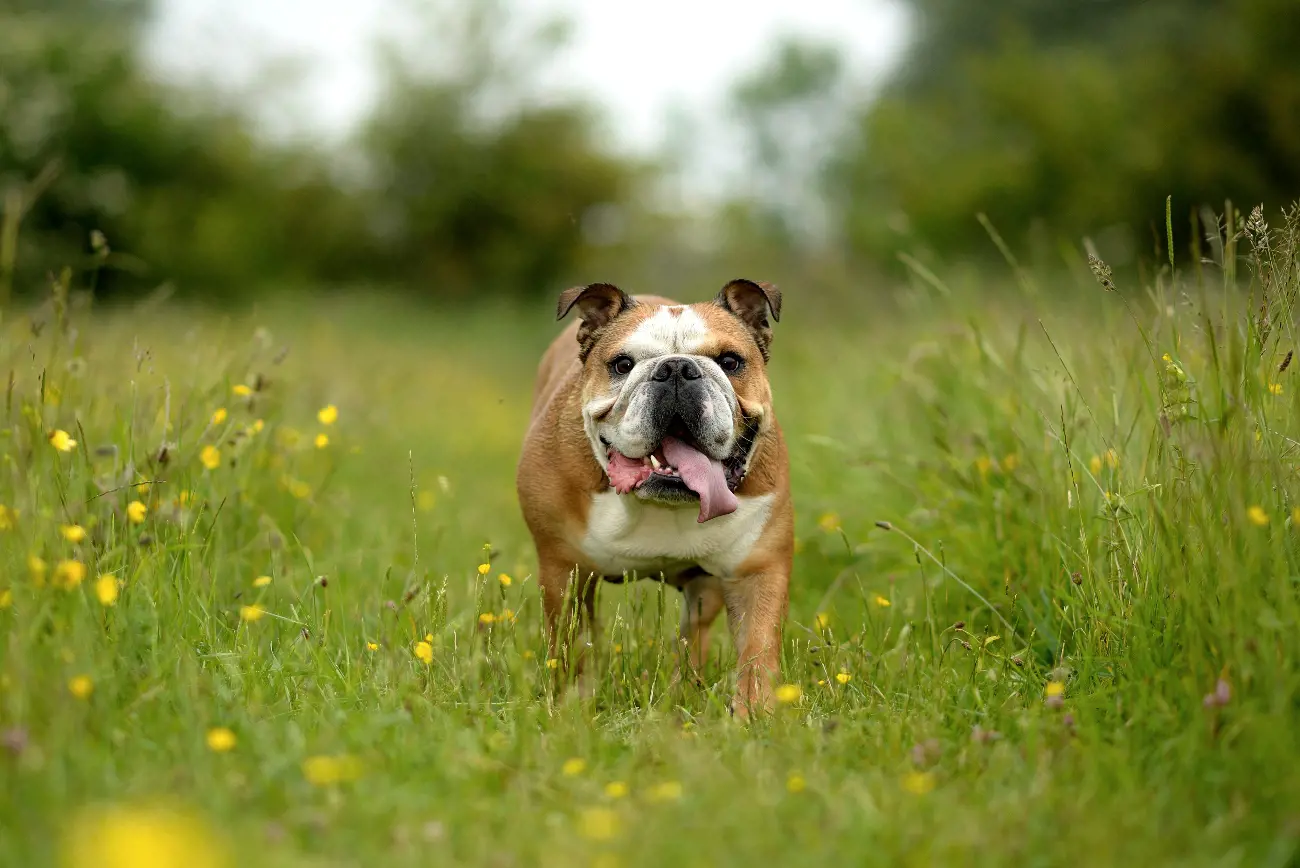
English Bulldogs were originally bred for bull baiting and as butcher's dogs, but today they are known for their gentle nature and make wonderful family pets.
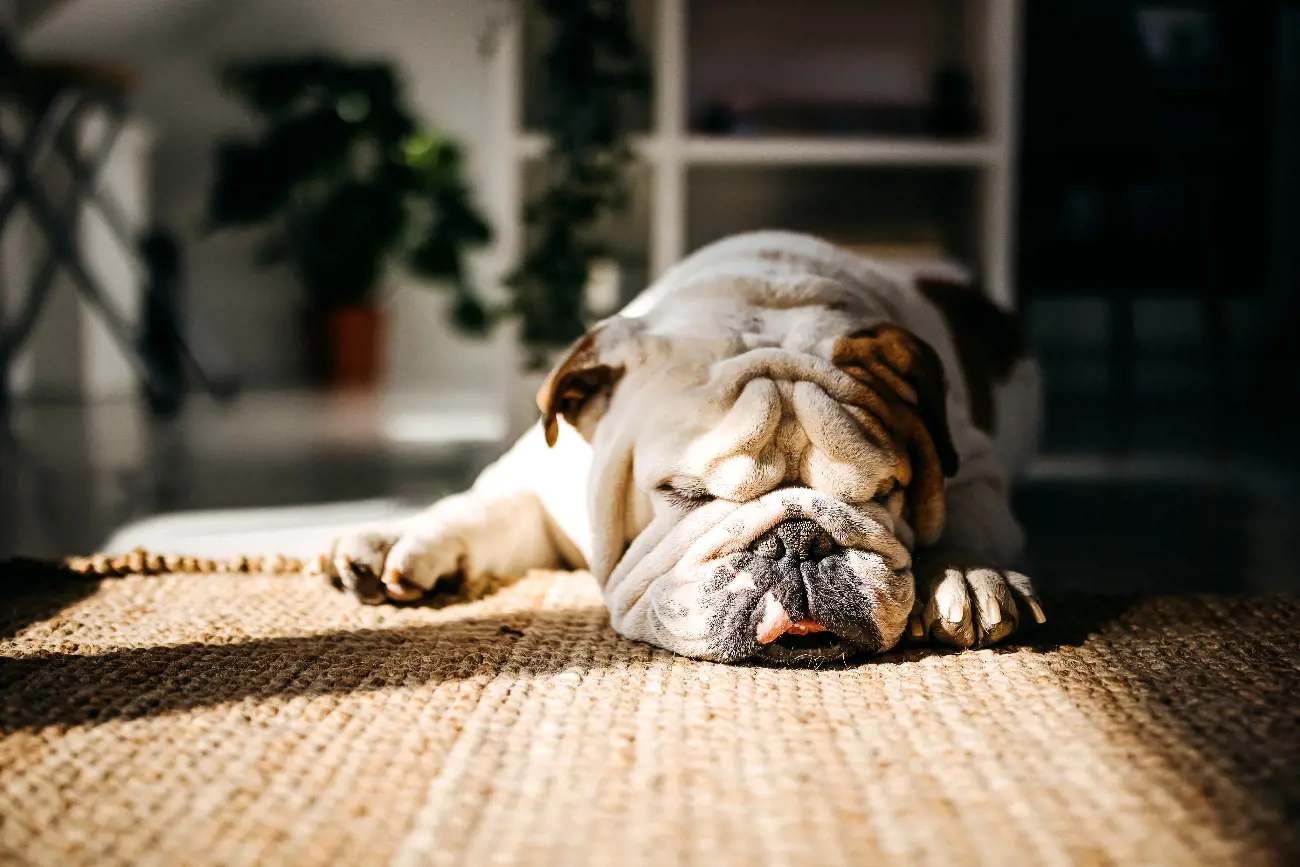
Despite their muscular and tough appearance, English Bulldogs tend to be couch potatoes with moderate energy levels, enjoying short play sessions and lots of cuddling.
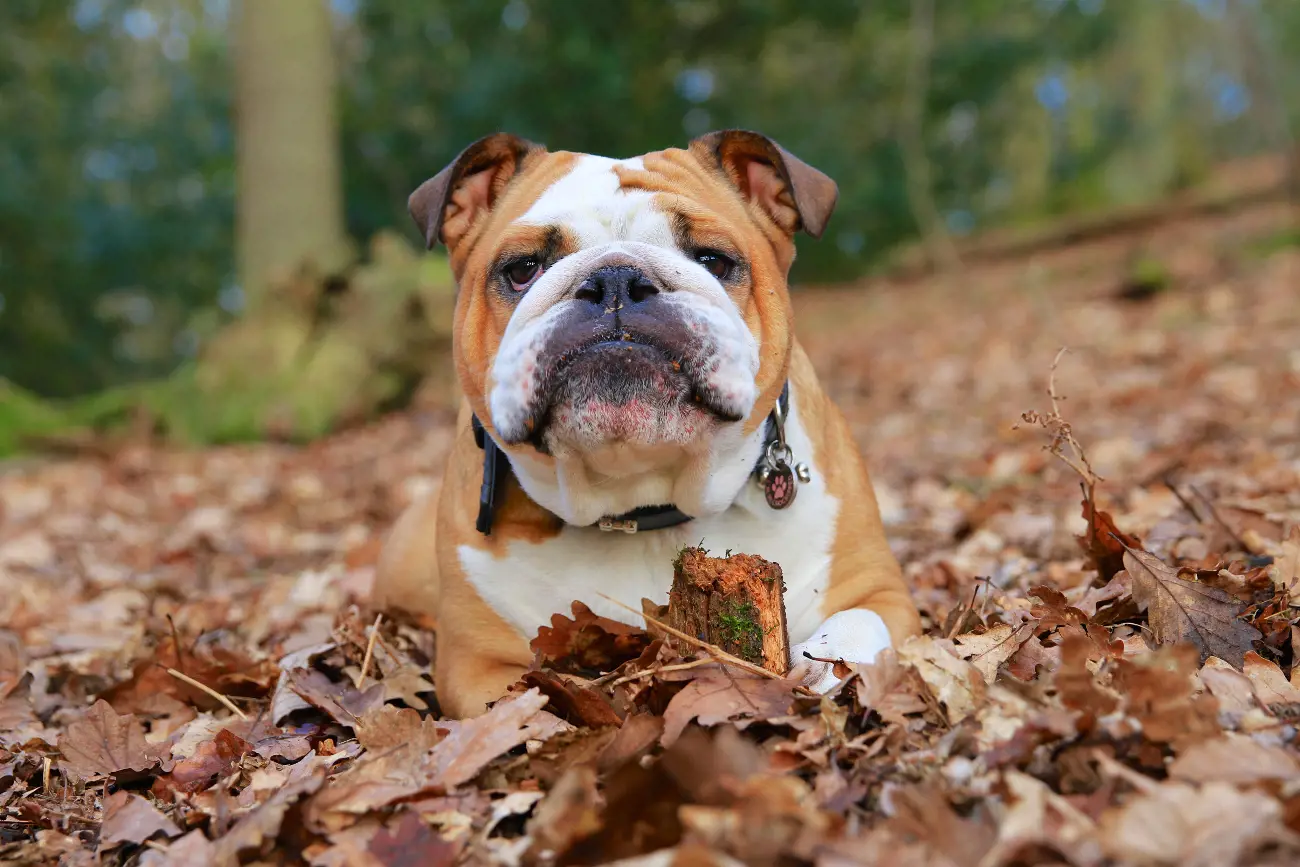
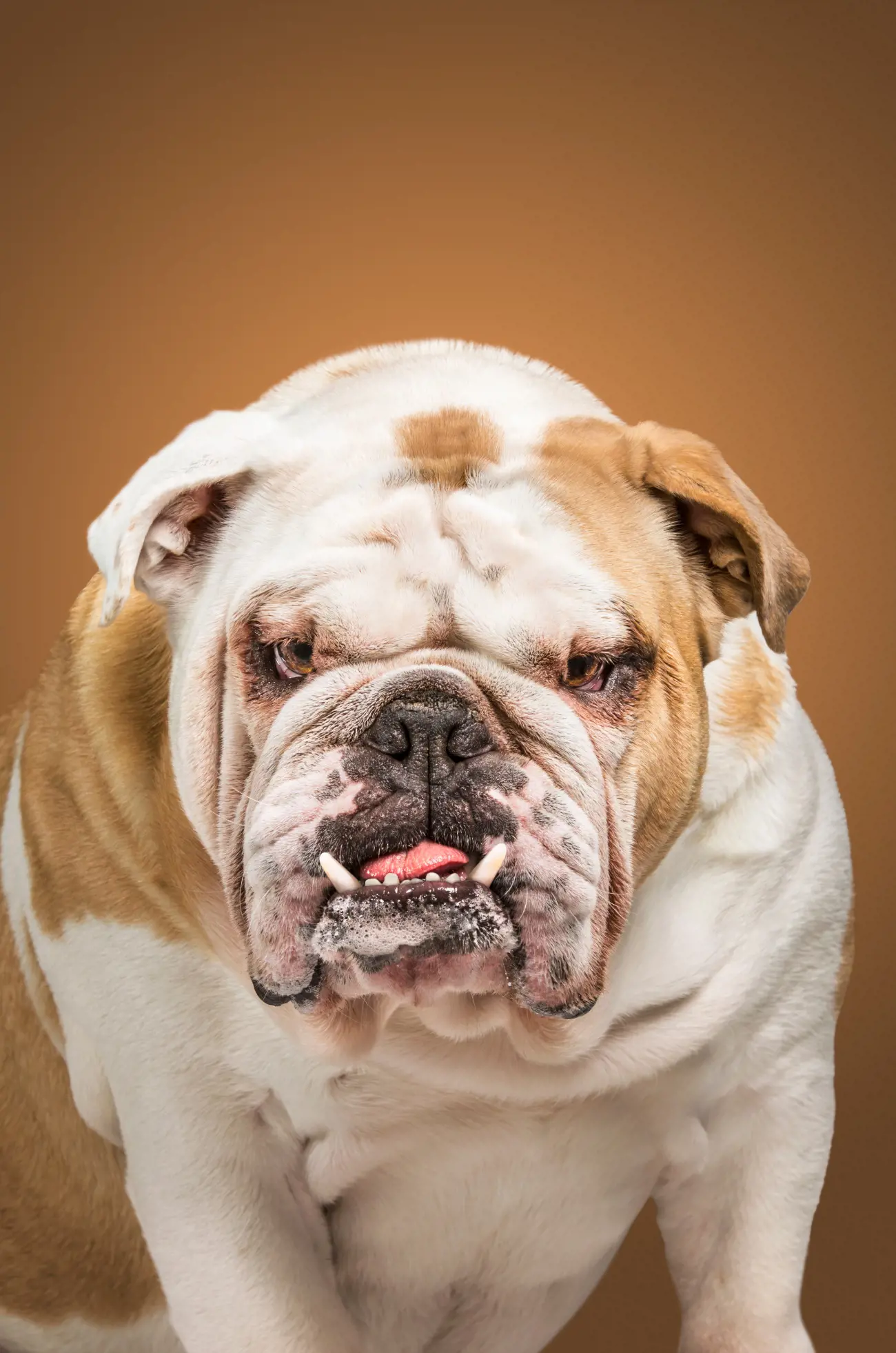
English Bulldogs have distinctive thick skin folds and wrinkles, especially around their face, neck, and tail pocket, which require regular cleaning to prevent skin infections.
Package available for your English Bulldog includes
Bronze
Silver
Gold
Complementary treatment
Up to
£500
per illness/injury
Up to
£750
per illness/injury
Up to
£1000
per illness/injury
3rd Party Liability (dogs only)
Up to
£1M
per illness/injury
Up to
£2M
per illness/injury
Up to
£2M
per illness/injury
Death from Illness*
*Death from illness does not apply to dogs aged 9 and over & cats aged 11 and over
£1,000
£1,500
£2,000
Death from accident
£1,000
£1,500
£2,000
English Bulldog common health conditions

- Brachycephalic Obstructive Airway Syndrome (BOAS) is a common health issue in English Bulldogs due to their short noses and flat faces.
- Anatomical features like narrowed nostrils and elongated soft palates cause breathing difficulties, especially in hot weather or during exercise. Symptoms include noisy breathing, snoring, panting, and exercise intolerance.
- Severe cases may require surgery. Bulldogs also risk overheating, so weight management and avoiding strenuous activity in heat are crucial.
- English Bulldogs have distinctive thick folds and wrinkles of skin, especially around their face, neck, and tail pocket. These folds can trap moisture and bacteria, leading to skin infections like skin fold dermatitis.
- This causes redness, irritation, itching, and sometimes odour, regular cleaning and drying of these folds are essential to prevent infections.
- Using veterinarian-recommended medicated shampoos and wipes can help manage skin allergies and dermatitis.
- Hip dysplasia is a genetic condition common in English Bulldogs where the hip joint develops abnormally, causing pain and arthritis. Affected dogs may limp or avoid exercise, responsible breeders screen for this condition.
- Treatment includes weight management, pain relief, joint supplements, physical therapy, and sometimes surgery.
- Maintaining a healthy weight and moderate exercise helps manage hip dysplasia.
- English Bulldogs are prone to several eye problems due to their unique facial structure and loose skin.
- Common issues include entropion, where eyelids roll inward causing irritation and often requiring surgery, and cherry eye, where the tear gland protrudes as a red mass.
- They may also suffer from dry eye and are prone to infections and injuries, regular vet check-ups and prompt treatment with eye drops or pain medication are essential to maintain eye health.
English Bulldog training & exercise
- Training English Bulldogs requires patience and consistency due to their stubborn streak, use positive reinforcement like treats, praise, and play to keep sessions short and engaging.
- Early socialisation helps build confidence and good manners around people, dogs, and new environments. Teaching basic commands such as sit, stay, and come helps manage their headstrong nature.
- Bulldogs respond well to routine and clear boundaries, so a consistent training schedule is beneficial.
- English Bulldogs form strong bonds with their owners and may develop separation anxiety if left alone too long.
- Signs include excessive barking, destructive behaviour, or pacing.
- To prevent this, gradually increase alone time, provide interactive toys, and use positive reinforcement when your dog stays calm during your absence.
- While English Bulldogs enjoy moderate exercise, they are not high-energy dogs. Daily walks totalling around 30 minutes, split into shorter sessions, help maintain a healthy weight.
- Activities like tug of war and gentle backyard play provide mental and physical stimulation.
- Due to their brachycephalic nature, Bulldogs tire quickly and can overheat, so avoid strenuous exercise in hot weather and always offer water and rest breaks.
- Early and ongoing socialisation helps English Bulldogs become confident and friendly adults. Expose your puppy to various people, dogs, environments, and sounds to prevent behavioural issues.
- Puppy classes and controlled playdates support healthy social skills. Continue socialising your Bulldog throughout life to maintain their easy-going temperament.
English Bulldog maintenance
- English Bulldogs have specific grooming needs that are essential to keep them healthy and comfortable. Their short, smooth coat requires regular attention to manage shedding and maintain skin health.
- Despite their short fur, Bulldogs are considered heavy shedders compared to some other short-coated breeds.
- Regular grooming helps reduce loose hair around the house and keeps the coat looking its best.
- Bathing your English Bulldog every month or two is generally sufficient unless they get particularly dirty or develop skin issues.
- Special attention should be given to cleaning their distinctive skin folds and wrinkles, especially around the face, neck, and tail pocket.
- These folds can trap moisture and debris, creating an environment prone to infections like skin fold dermatitis. Using a veterinarian-recommended medicated shampoo can help manage skin allergies and prevent infections.
- In addition to coat care, Bulldogs require routine cleaning of their ears and eyes.
- Their drooping lips and facial wrinkles can trap dirt and moisture, so daily wiping with a soft, damp cloth or dog-friendly wipes is recommended.
- Regular ear checks help prevent ear infections, to which Bulldogs are prone due to their ear structure.
- Brushing your English Bulldog once a week with a soft-bristle brush or grooming mitt helps remove loose hair and stimulates the skin.
- This not only reduces shedding but also promotes healthy skin by distributing natural oils throughout the coat.
- Regular brushing sessions also provide an opportunity to check for any skin abnormalities, parasites, or signs of irritation that might need veterinary attention.
Frequently Asked Questions
English Bulldogs are widely regarded as excellent family dogs due to their gentle nature, loyalty, and affectionate temperament. They tend to form strong bonds with family members, including children and other pets, making them wonderful companions in a household setting.
Their calm and easygoing personality means they usually adapt well to family life, enjoying both playtime and quiet cuddles. However, like all dogs, early socialization and proper training are important to ensure they develop good manners and confidence around people of all ages.
English Bulldogs can tolerate being left alone for moderate periods, but they thrive on human companionship and may develop separation anxiety if left alone for too long. They form strong attachments to their owners and enjoy spending time close to them.
Providing mental stimulation, interactive toys, and a comfortable environment can help reduce stress when they are alone. It’s important to gradually acclimate them to alone time and avoid extended periods of isolation to maintain their emotional well-being.
English Bulldogs are not inherently difficult dogs, but they do have a stubborn streak that can make training a bit challenging. They respond best to patient, consistent, and positive reinforcement-based training methods.
Their laid-back nature means they may not be highly motivated to learn at times, so keeping training sessions short, fun, and rewarding is key.
With the right approach, English Bulldogs can learn commands and good behaviour effectively, making them enjoyable pets for owners willing to invest time and patience.
The terms "British Bulldog" and "English Bulldog" are often used interchangeably, but they typically refer to the same breed: the English Bulldog.
Historically, "British Bulldog" has been a colloquial term used to emphasise the breed's origins in the British Isles.
There is no distinct breed officially recognised as the British Bulldog separate from the English Bulldog. However, some people may use "British Bulldog" informally to refer to the traditional stocky, muscular appearance of the breed.
English Bulldogs are often classified as "bully breeds" due to their historical use in bull baiting and their muscular, robust appearance.
However, in modern times, they are known for their gentle and affectionate temperament rather than aggression.
The term "bully breed" can sometimes carry negative connotations, but English Bulldogs are typically friendly, sociable, and good-natured dogs when properly socialised and trained. They make loving family pets rather than aggressive guard dogs.
Yes, English Bulldogs are known for their affectionate nature and love to cuddle with their owners. They enjoy close physical contact and often seek out laps, couches, or cosy spots to snuggle.
Their easy-going personality and strong bond with their families make them excellent companions for those who enjoy spending quiet, comforting time with their dog. Cuddling is one of the many ways English Bulldogs express their love and trust toward their pet parents.