
Helping older dogs and cats stay safe in warm weather
1st July, 2026
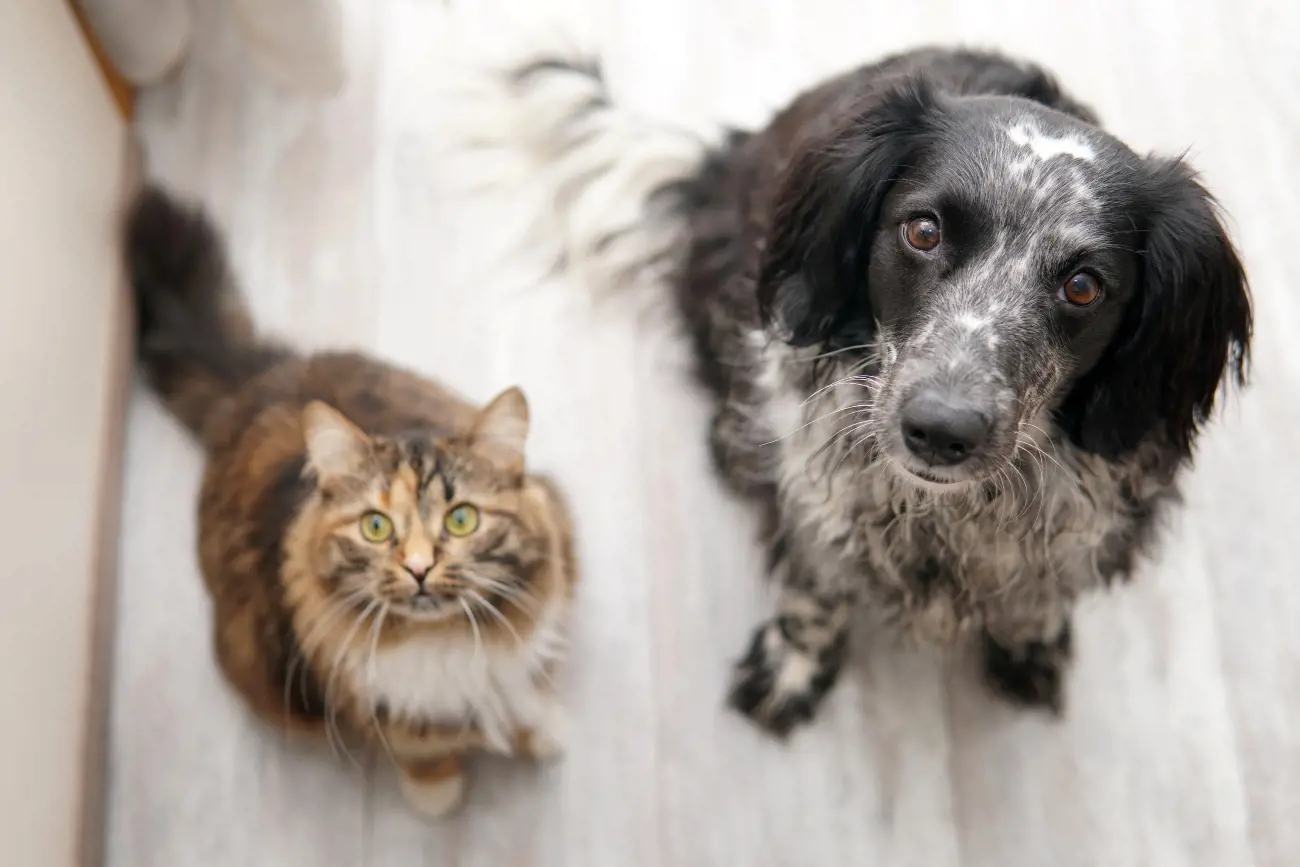
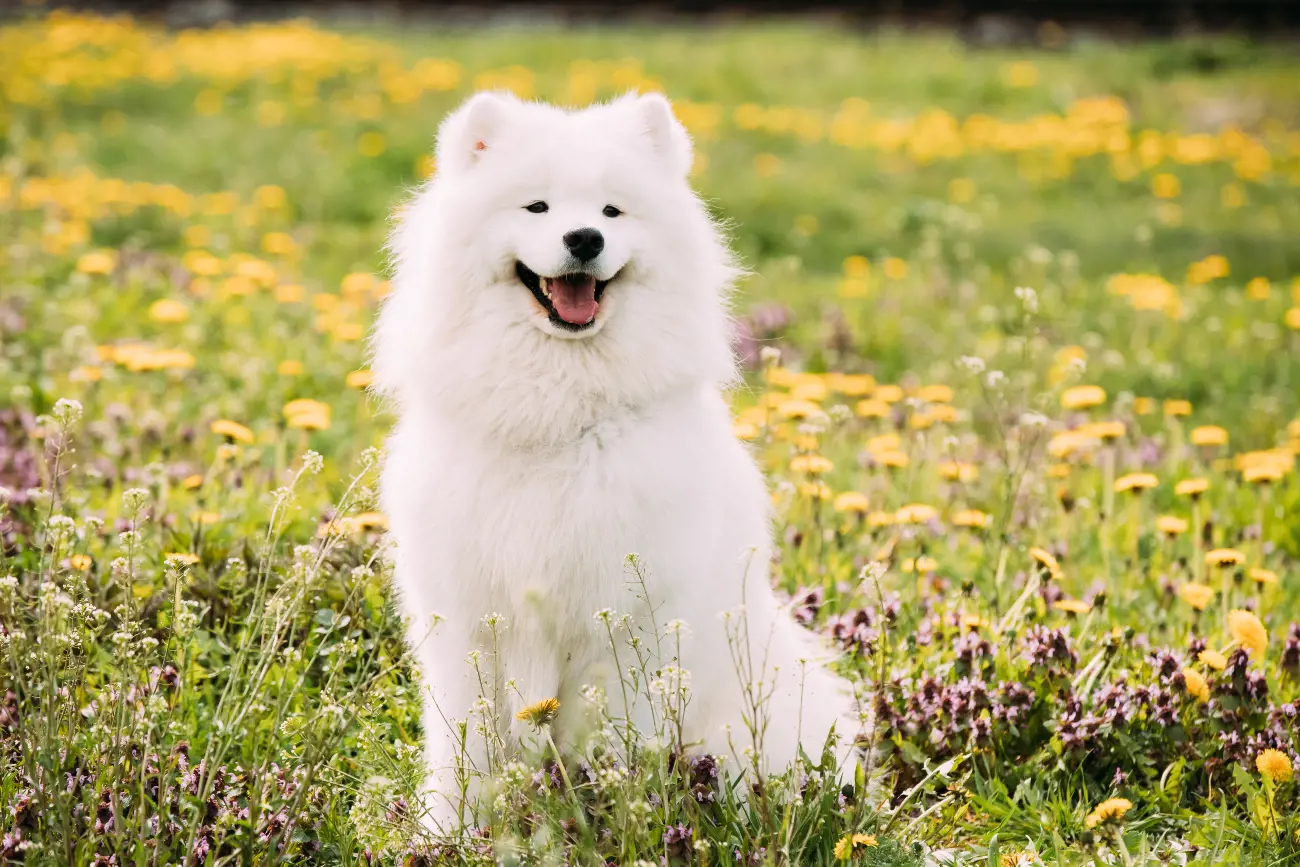
Theres something special about summer. Longer days, sunny walks and more time spent outdoors can be enjoyable for both pets and owners. But as our pets get older, warm weather can bring a few extra challenges that are worth keeping in mind.
Just like people, senior dogs and cats can find it harder to cope with rising temperatures. Ageing bodies don’t regulate heat as efficiently, and existing health conditions can make hot weather more difficult to manage.
The good news is that a few simple adjustments can help keep your older pet safe, comfortable and enjoying everything summer has to offer.
Why are senior pets more affected by heat?
As pets age, they may become less tolerant of extreme temperatures. Older dogs and cats are more likely to develop conditions such as arthritis, heart disease, kidney problems or respiratory issues, all of which can affect how well they cope during warmer weather.
You may notice your pet tires more quickly than they used to, takes longer to recover after exercise or prefers to rest during the hottest parts of the day. These changes are often a normal part of ageing, but they can also make senior pets more vulnerable to dehydration and heat-related illnesses.
Signs your pet may be struggling
Knowing what to look out for can help you act quickly if your pet becomes overheated.
In dogs, signs may include:
- Excessive panting
- Heavy drooling
- Slowing down during walks
- Lethargy or weakness
- Vomiting or diarrhoea
- Bright red gums
In cats, signs can be more subtle:
- Panting or rapid breathing
- Restlessness
- Loss of appetite
- Sleeping more than usual
- Weakness or disorientation
If your pet appears distressed or you’re concerned they may be suffering from heatstroke, contact your vet immediately. Heatstroke can develop quickly and should always be treated as an emergency.
Keeping senior dogs comfortable during summer
Time walks carefully
Many older dogs will still love their daily walks, but summer may require a change in routine. Early morning or later evenings are often the coolest and most comfortable time to head out.
It’s also worth remembering that pavements can become surprisingly hot during warm weather. A quick temperature check before setting off can help protect sensitive paws from burns.
Adjust activity levels
Your dog may still be keen to keep up with their usual routine, even when the weather says otherwise. Shorter walks, more frequent breaks and access to shade can help prevent them from becoming overtired or overheated.
Pay attention to their pace. If they’re slowing down, stopping frequently or seeking shade they’re likely telling you it’s time for a rest.
Keep water within easy reach
Hydration becomes increasingly important as pets age. Consider placing water bowls in several locations around your home and garden, particularly if your dog has mobility issues or struggles with stairs.
When travelling or walking, don’t forget to bring fresh water and a portable bowl.
Helping senior cats stay cool
Cats are often experts at finding the sunniest spot in the house, but during hot weather they need opportunities to cool down too.
Encourage drinking
Cats naturally tend to drink less than dogs, which can increase their risk of dehydration during warmer months.
Providing multiple water bowls, refreshing water regularly and incorporating wet food into their diets can all help increase their fluid intake.
Create cool retreats
Make sure your cat has access to cool, shaded areas where they can escape the heat. Tiled floors, quiet rooms and well-ventilated spaces can all provide welcome relief on particularly warm days.
Keep an eye on behaviour changes
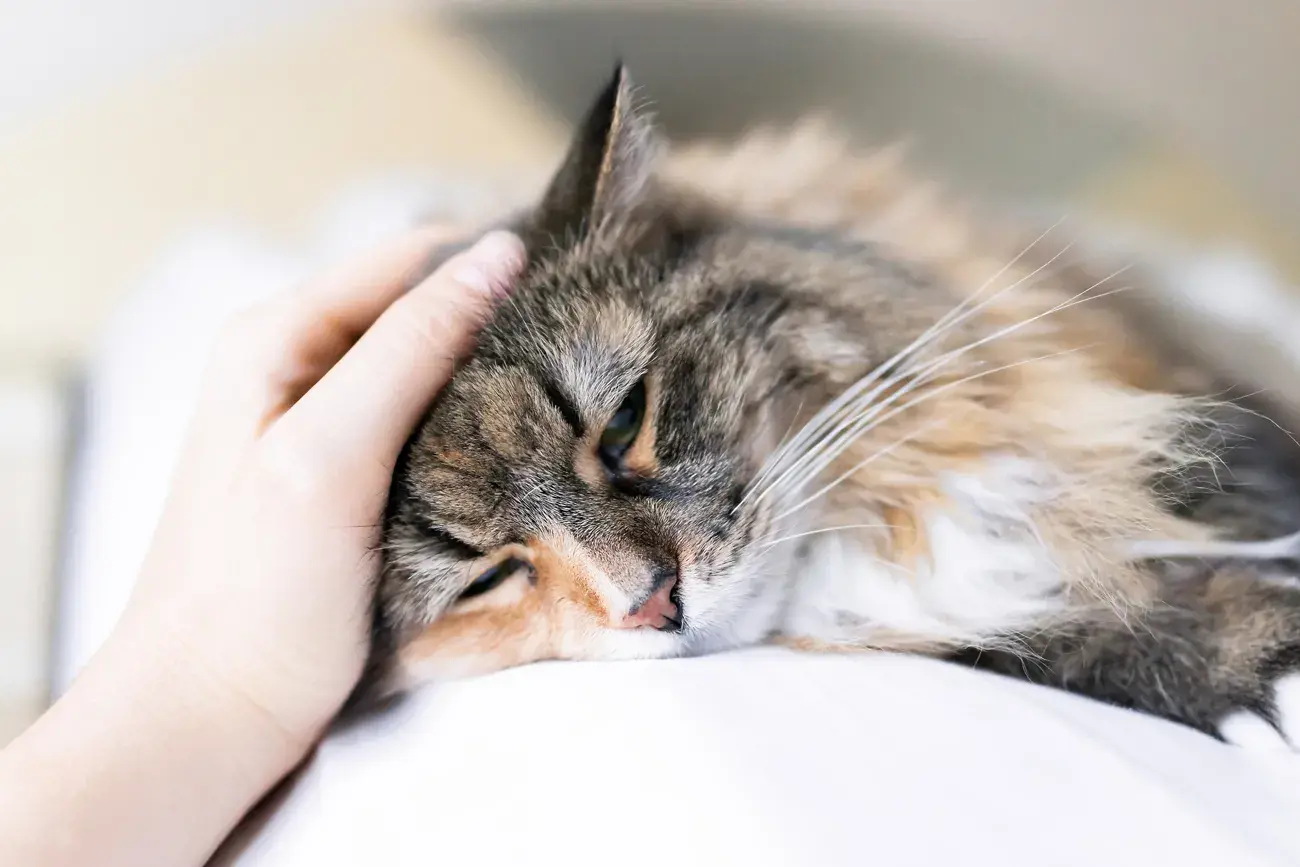
Because cats are often good at hiding discomfort, subtle changes can be easy to miss. If your cat seems unusually quiet, loses interest in food or isn’t behaving as they normally would, it may be worth checking in with your vet.
Summer hazards to watch out for
Warm weather doesn’t just increase the risk of overheating. Summer can also bring a few seasonal hazards that commonly catch pet owners by surprise.
These include:
- Dehydration
- Fleas and ticks
- Grass seeds becoming lodges in paws, ears or skin
- Sunburn in lightly coloured pets
- Burns from hot pavements
- Water-related incidents during days out
Many of these issues are preventable with a little extra awareness, helping your pet stay healthy and potentially avoiding an unexpected trip to the vet.
Small changes can make a big difference
Growing older doesn’t mean your pet can’t enjoy summer adventures. In fact, with a few sensible adjustments, many senior dogs and cats can continue to enjoy active, happy lives throughout the summer months.
By staying mindful of the weather, encouraging hydration and recognising signs of overheating, you can help your pet stay safe, comfortable and ready to make the most of the season.
After all, summer memories are best make when every member of the family, including tose with four paws, can enjoy them safely!
Helpful Pages
Recent Posts
Pet Insurance Quote
- 98% claims paid *
- Claims paid directly to vets
- 24/7 vet video consultations
- Interest free monthly payments