
Babesiosis in dogs: Critical symptoms British owners often miss
8th July, 2026
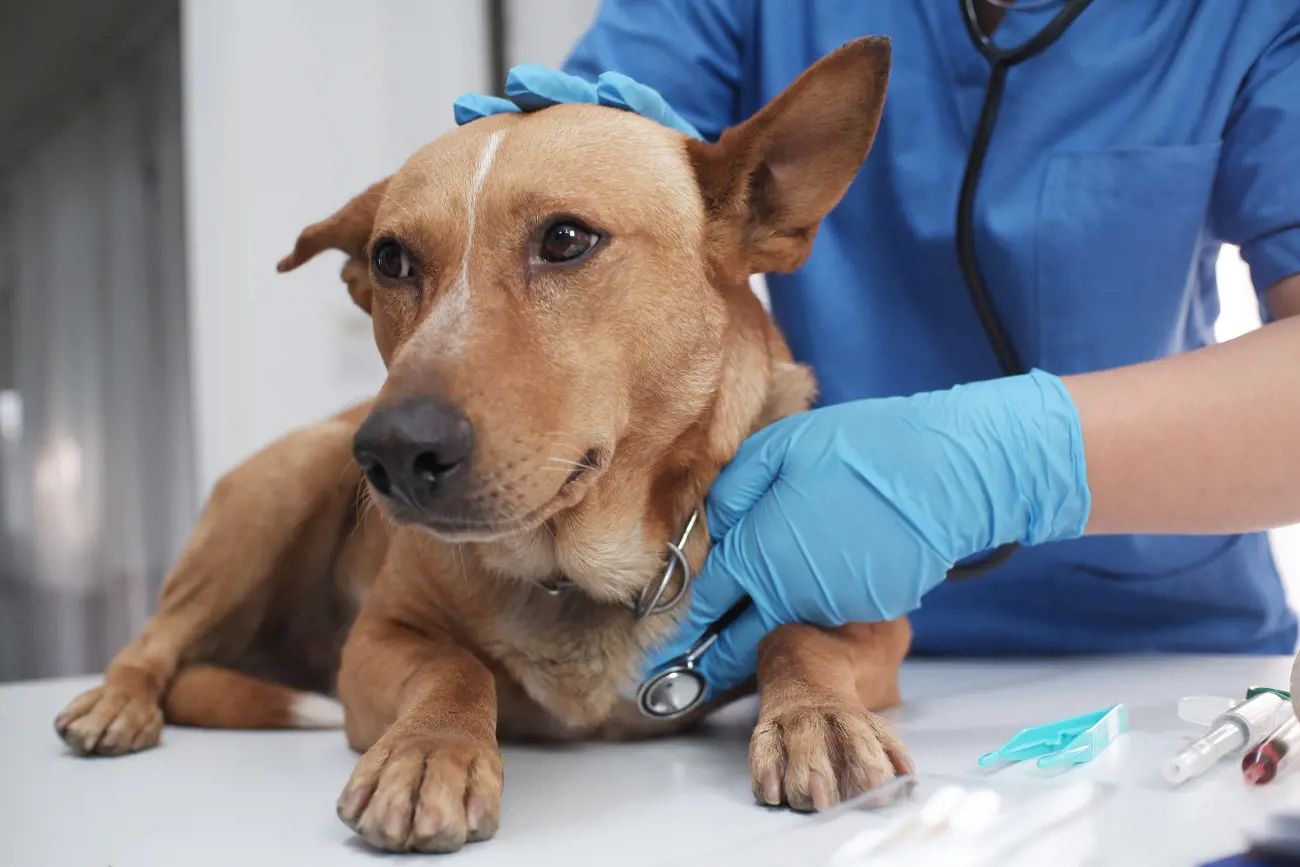
Babesiosis is a potentially fatal disease in dogs that is becoming an increasing concern across Britain, beyond animals that have travelled or been quarantined.
The illness is caused by Babesia protozoal parasites, which are transmitted by infected ticks. Once inside the body, these parasites invade and destroy red blood cells, leading to serious complications such as anaemia, jaundice, organ failure, and, without prompt treatment, death.
British dog owners need to watch for babesiosis symptoms as cases keep rising nationwide.The blood parasite infection brings fever and intravascular hemolysis.
The disease caused by the Babesia organism results from these parasites invading and destroying red blood cells in dogs. Your dog’s early symptoms might be subtle and easy to miss.
The disease takes about two weeks to show up after a tick bite. During this time, your dog looks healthy despite carrying the infection.
Certain breeds, such as Greyhounds, have an increased risk of infection. The spread of babesiosis makes it especially worrying because it needs infected ticks to transmit - dogs can’t pass it directly to each other.
Dogs that roam outdoors face higher risks from infected ticks, especially in wooded areas. The disease becomes more dangerous when dogs have chronic infections. They might look fine but could spread the disease to other pets or humans.
This blog will teach you about babesiosis signs that British owners often miss. You’ll learn how the disease develops and ways to shield your furry companion from this serious threat.
Early signs of babesiosis British owners often overlook
Canine babesiosis sneaks up on dogs in the most subtle ways.
British dog owners often miss the first clinical signs,observable symptoms such as pale gums, fever, dark urine, or neurologic changes that show up 10-28 days after an infected tick bite.
This disease doesn’t announce itself dramatically. Instead, it creeps in with such mild symptoms that spotting them early becomes a real challenge.
Mild lethargy and reduced appetite
Your dog might just seem "off colour" at first with a general feeling of being unwell. Most owners brush off this tiredness as just a rough day or temporary exhaustion. Dogs that usually love their activities might not show the same enthusiasm or get tired quickly during walks.
The disease also affects your dog's appetite. You might notice your pet isn't as excited about food anymore, leaves kibble in the bowl, or passes up treats they'd normally snap up right away.
Vets have found that loss of appetite ranks among the first signs owners notice, but they rarely think it's serious when it's the only symptom.
Here's something to watch for - these signs come and go in the earliest stages. Your dog might seem fine one day and under the weather the next. This up-and-down pattern makes many owners think their pet will get better without a vet's help.
Subtle gum discolouration
Your dog’s gums can tell you a lot about babesiosis early on, though many miss this sign. The Babesia parasite starts destroying red blood cells and causes mild anaemia, which makes gums and other mucous membranes, such as the inside of the mouth, slightly paler than usual a clinical sign known as pale mucous membranes.
A quick way to check your dog’s gums:
-
Find good lighting and lift your dog’s lip
-
Look at the colour - healthy gums look pink
-
Push on the gum until it turns white, then let go
-
The pink should come back in less than 2 seconds
The paleness might be so slight you’d miss it unless you look carefully. Most pet parents don’t check their dog’s gums regularly or know what normal should look like.
Common clinical signs of acute babesiosis in dogs include lack of energy, lethargy, depression, lack of appetite, pale gums and other mucous membranes, fever, enlarged lymph nodes or spleen, abnormally dark-colored urine, yellow or orange skin, and weight loss.
Dogs typically present with the acute and severe form of babesiosis, characterised by abnormal dark urine, fever, weakness, pale mucous membranes, depression, swollen lymph nodes, and an enlarged spleen.
Slight fever or behavioural changes
Early babesiosis often brings a mild fever that comes and goes. Most owners don't take their dog's temperature unless something seems really wrong. Vet records show temperatures can climb to 41°C even early on.
Watch for these behaviour changes:
-
Your dog seems down or withdrawn
-
More napping or resting than usual
-
Less enthusiasm for exercise
-
Acting irritable or unusually clingy
People often blame these changes on fatigue, weather, or just having a bad day instead of seeing them as signs of something serious.
Some dogs might carry the infection without showing any signs at all, these cases sometimes only come to light during routine blood tests, or the disease might suddenly turn severe without warning.
Ticks become most active during spring and summer. Dog owners in Britain need to stay extra watchful after woodland walks, especially around Essex and South-East England where babesiosis cases keep rising.
Catching these early signs could make all the difference. Without treatment, babesiosis can turn into a medical emergency faster than you might expect.
Progression to acute babesiosis symptoms
The symptoms of babesiosis in dogs become more dangerous as Babesia parasites multiply faster in the bloodstream.
These parasites destroy red blood cells at an alarming rate, the disease can transform from mild discomfort to life-threatening complications with shocking speed.
Severe anaemia and jaundice
Hemolytic anaemia stands out as the main feature of acute canine babesiosis, affecting 20% to over 90% of infected dogs. Red blood cells face destruction through two paths: inside blood vessels from the parasite’s lifecycle and outside them when the spleen and liver remove damaged cells.
Studies show anaemia ranges from mild (hematocrit 0.15–0.30 L/L) to severe (hematocrit < 0.15 L/L). Research reveals that 49% of dogs develop severe to very severe anaemia with packed cell volume below 20%.
A dog’s red blood cell count serves as a vital indicator of survival chances. Dogs that don’t survive show substantially lower red blood cell counts, packed cell volume, and haemoglobin levels compared to survivors.
In very anaemic animals, blood transfusions may be required to restore blood volume and improve oxygen delivery. Blood transfusions are an important intervention for anemic animals with severe babesiosis.
Dogs develop jaundice (icterus) when excess haemoglobin enters their circulation, their gums, skin, and eye whites turn yellowish not just from cell destruction but also from their immune system’s response.
Not every dog shows visible jaundice, but its presence with anaemia points to advanced disease.
A complete blood count and blood biochemical profile, as well as blood and urine tests, are often performed to help diagnose babesiosis in dogs and may reveal anaemia, low platelet count, low albumin, or the presence of bilirubinuria.
Dark-coloured urine and discoloured stools
Dog owners often notice one striking symptom of acute babesiosis - dark or black urine, known as hemoglobinuria. This happens when kidneys philtre and excrete free haemoglobin from destroyed red blood cells. Most owners describe their dog’s urine as looking like “red wine” or “cola-coloured.”
Urine tests, along with blood tests, can help confirm the presence of hemoglobinuria and other abnormalities associated with babesiosis. Blood and urine tests are important diagnostic tools to detect clinical signs such as anaemia, bilirubinuria, and low platelet count.
The disease also changes stool colour. These changes come from altered bile pigment processing and possible gut complications.
Though these changes in bodily waste often push owners to seek help, the infection has usually advanced substantially by then.
Multi-organ failure in advanced cases
Babesiosis can lead to multiple organ dysfunction syndrome (MODS) without quick treatment. This serious complication affects 48% of complicated cases.
The disease triggers a body-wide inflammatory response (SIRS) in 87% of complicated cases, creating conditions like sepsis.
Organ damage follows a clear pattern when multiple organs become involved:
-
Single organ damage most often affects the liver (34%), followed by kidneys (24%), lungs (17%), CNS (17%), and muscle (7%)
-
In cases with three affected organs, the liver shows damage in 92%, muscle in 83%, kidneys in 58%, lungs in 50% and CNS in 17%
Dogs face dropping survival rates as more organs fail. Those with two-organ involvement have a 45% survival rate. This rate drops to just 10% with three-organ involvement.
Brain involvement brings the worst outlook, making death 57 times more likely than other complications. Kidney problems increase death risk by five times. Cerebral babesiosis happens when infected red blood cells stick to brain blood vessels, leading to tissue death and bleeding.
Other dangerous complications include "shock lung" (acute respiratory distress syndrome), kidney failure with little or no urine, liver disease with high enzyme levels, and pancreas inflammation. These issues create a domino effect that can quickly overwhelm a dog's body.
British dog owners need to recognise these warning signs as babesiosis cases keep appearing across the UK. Quick action becomes vital when early symptoms start showing these serious signs.
How dogs catch babesiosis in the UK
UK pet owners need to know how dogs get babesiosis. Babesia transmission can occur in several ways, and dogs can transmit babesiosis through tick bites, dog-to-dog bites, maternal transmission, and even blood transfusions.
This disease has gone from being almost unknown in Britain to becoming a real concern these days, mainly because of changes in the environment and rules.
Tick habitats in Essex and South-East England
The ornate dog tick (Dermacentor reticulatus) spreads canine babesiosis and has made its home in several UK areas. The disease's first outbreak happened in Harlow, Essex back in 2015-2016, which marked the first confirmed endemic focus of Babesia canis in the UK.
Scientists who looked at these areas between 2009-2016 found four main spots where these ticks live: western Wales, north Devon, south Devon, and Essex.
British D. reticulatus ticks prefer to live in coastal sand dunes, unlike their European cousins. The Essex group stands out because they're not near any coast or dunes. These ticks might have hitched a ride on pets, livestock, or vehicles.
You'll usually find them waiting along paths where dogs walk, which makes it easy for them to find new hosts. The original Harlow outbreak happened in a spot where many people walk their dogs.
Imported dogs and relaxed quarantine rules
The rules for pet travel changed everything. After the Pet Travel Scheme (PETS) became more relaxed in 2012, the number of dogs travelling from the UK jumped from 140,000 to 164,800 by 2015. The UK also stopped requiring tick treatment for dogs coming into the country.
These new rules made it easier for parasites to enter Britain. The brown dog tick (Rhipicephalus sanguineus) used to be rare here but now shows up more often on dogs from other countries.
A 2016 Veterinary Record study found 40 cases of these ticks on recently travelled or imported dogs since 2012. Four of these dogs had even been treated for ticks.
Ticks infesting homes usually come from imported dogs rather than pets that just travelled abroad. This makes rescue dogs from countries where ticks are common a high-risk group.
Tick feeding time and infection window
The time it takes for Babesia to spread creates a specific window for infection. Infected blacklegged ticks usually need 36-72 hours attached to spread the disease.
The tick typically needs to feed for 24-48 hours before it can pass on the infection. Since Babesia transmission usually occurs after the tick begins feeding, removing ticks before they have fed for 48 hours is crucial to reduce the risk of babesiosis in dogs.
Sometimes the infection can spread faster. When ticks feed on one animal before moving to another, they might spread the disease in just 8 hours. Male ticks can be extra tricky because they might detach and find new hosts while carrying the infection.
This quick spread makes prevention crucial. Practicing effective tick control, such as using monthly tick prevention products, performing daily tick checks, and keeping grass and brush trimmed in your yard, can significantly reduce your dog's risk.
Poor tick control in kennel settings can significantly increase the risk of dogs contracting babesiosis, so maintaining proper tick control measures is essential. Taking ticks off within 24 hours stops most tick-borne diseases from spreading.
Veterinary diagnosis and testing methods
Dogs with babesiosis need specific diagnostic tests to detect this deadly blood parasite infection. A range of laboratory methods are used, including examination of a blood sample with a simple blood smear, which can sometimes reveal the Babesia organism.
However, other diagnostic tests such as fluorescent antibody staining, indirect immunofluorescence (IFAT), ELISA, and PCR are often needed to confirm infection and identify the specific species involved. These tests help ensure babesiosis in dogs is accurately diagnosed, as each testing method offers different levels of reliability.
Capillary blood smear for parasite detection
Veterinarians often start with microscopic examination as their first diagnostic tool when they suspect canine babesiosis. Blood samples from peripheral capillaries, taken from the ear pinna or tail tip, show higher parasite concentrations than venous samples.
Babesia canis shows up as pear-shaped organisms in pairs inside red blood cells. B. gibsoni looks smaller and circular.
Blood smear examination has its limits in sensitivity. Research shows microscopy by itself misses low-level parasites that are common in chronic infections. This has led to missed diagnoses in cases where doctors weren't strongly suspicious.
PCR testing for Babesia gibsoni vs B. canis
PCR (polymerase chain reaction) testing catches infections much better, detecting as few as 50 organisms per millilitre of blood.
This molecular method, also known as Babesia DNA testing, confirms the infection and differentiates between B. gibsoni and B. canis species. This distinction helps doctors choose the right treatment and predict outcomes.
The latest quantitative PCR methods can spot parasitaemia as low as 0.002% (about 94 parasites/μL). Blood smears need many more parasites to see anything under the microscope.
EDTA blood samples tested with PCR can identify infections early on, even when microscopes can't spot the parasites.
Serology limitations in early-stage detection
Serological tests like IFAT and ELISA have major drawbacks in diagnosing acute babesiosis. These tests can't reliably catch infections until antibodies develop, which takes about 10 days. The antibodies stay in the blood after recovery, making it hard to tell current infections from past ones.
Different Babesia species can trigger similar antibody responses. The same happens with other protozoan parasites like Toxoplasma and Neospora, reducing how specific these tests are.
Doctors get the best results by combining serology with other tests or by checking two samples taken 2-3 weeks apart.
Treatment for babesiosis in dogs and relapse risks
The right treatment for babesiosis in dogs depends on the infecting Babesia species. Quick intervention is vital to prevent severe complications.
Antiprotozoal drugs: imidocarb vs atovaquone
B. canis infections, most common in Europe, need imidocarb dipropionate treatment at 6.6 mg/kg.
Veterinarians administer this drug intramuscularly or subcutaneously twice at 14-day intervals as the standard treatment. The drug doesn't work well against smaller Babesia species like B. gibsoni.
B. gibsoni infections respond better to a combination therapy. Atovaquone (13.3 mg/kg orally every 8 hours) with azithromycin (10 mg/kg orally daily) for 10 days reduces parasitemia below detectable levels in 80-85% of cases.
Supportive care for anaemia and dehydration
Dogs need blood transfusions when their haematocrit drops below 15%. Packed erythrocytes work best as the preferred component.
On top of that, intravenous fluids help curb dehydration and prevent kidney complications. In severe cases of babesiosis in dogs, oxygen therapy may be required to stabilise dogs experiencing severe anaemia or respiratory distress.
Our website offers quick dog insurance quotes. You can also speak with our dog insurance specialists at 0330 102 5748.
Carrier state and long-term monitoring
Dogs rarely eliminate the parasite completely despite showing clinical recovery. Research shows that they typically remain infected but show no symptoms after treatment. This carrier state lets the disease spread through feeding ticks or relapse during periods of immunosuppression.
Monitoring is important since a study showed that 8 out of 17 dogs treated with imidocarb had clinical relapse within 45 days. Dog owners should know that recovered dogs must never serve as blood donors.
Conclusion
Babesiosis poses a growing threat to dogs in Britain. The threat is especially high in Essex and South-East England, where tick populations that are decades old carry this dangerous parasite. This once-rare disease has become a major worry for UK pet owners, and the early symptoms can be easy to miss.
Without doubt, catching babesiosis early gives your dog the best chance of recovery. Your pet's survival chances improve by a lot if you spot the first signs - mild tiredness, poor appetite, and slight changes in gum colour.
Research shows 49% of affected dogs develop severe to very severe anaemia with packed cell volume below 20%. The disease can quickly become life-threatening, and dogs with multiple organ damage have only a 10% chance of survival.
You need to see a vet right away if you suspect an infection. PCR testing is the most reliable way to confirm babesiosis - it can detect parasitaemia as low as 0.002% even when blood smears look normal.
In spite of that, treatment success varies by a lot based on the Babesia species. Many dogs become silent carriers even after they seem to recover.
Check your dog for ticks after every walk. This is important in spring and summer when ticks are most active.
Using the right tick prevention before visiting high-risk areas helps protect your pet from this spreading disease. To protect your furry friend with insurance, visit our website for a quote. You can also speak with our dog insurance specialists at 0330 102 5748.
Babesiosis is a serious threat, but your watchfulness is your best weapon to protect your dog's health. Learning about the symptoms, how it spreads, and treatment options helps you keep your canine companion safe from this growing danger on British shores.
Helpful Pages
Recent Posts





Pet Insurance Quote
- 98% claims paid *
- Claims paid directly to vets
- 24/7 vet video consultations
- Interest free monthly payments