
Senior dogs benefit from food with high-quality protein to maintain muscle mass, antioxidants and fatty acids for joint support, and lower calorie content to match reduced activity levels. Consider switching to smaller, more frequent meals and using raised bowls to reduce strain on arthritic joints.
How to care for an elderly dog
20th May, 2026
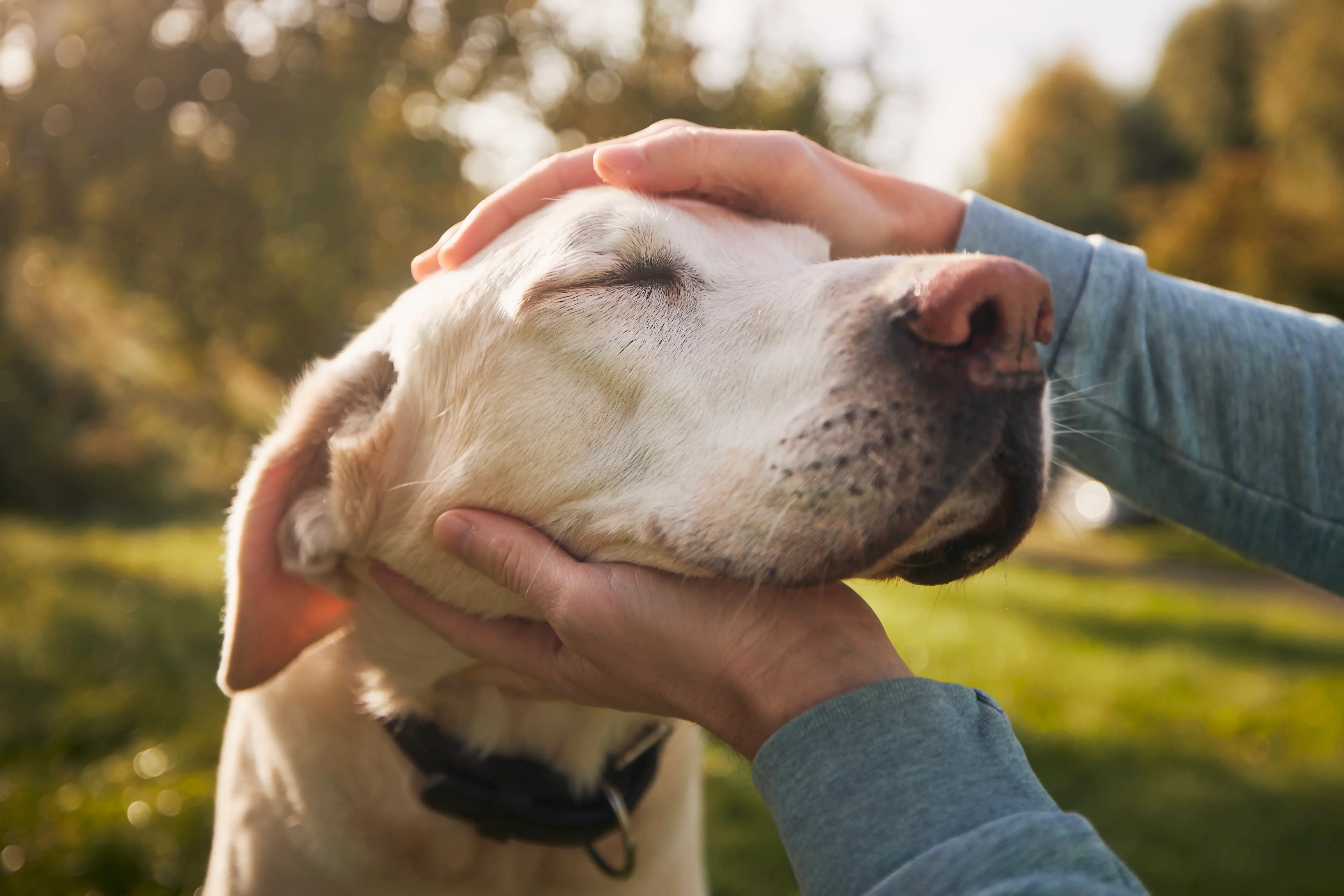
Has your old dog started slowing down, sleeping more, or seeming a bit stiff after walks? You should know this: dogs over seven can be considered senior, while those over 12 are classified as geriatric. The average life expectancy of a dog is 12 years, so understanding their changing needs becomes significant for their quality of life.
Caring for an elderly dog requires adjustments to their diet, exercise routines, and home environment. Caring for an elderly dog also means adjusting their routine to accommodate reduced mobility, cognitive changes, and changing nutritional needs. Twice-yearly veterinary check-ups may be necessary for senior dog care and help detect health issues early.
While dogs don’t become senior overnight, it’s important to remember that ageing is a gradual process, changes often happen slowly over time, so monitoring subtle signs and adapting care is key.
This piece will walk you through what you need to know about senior dog age milestones, health monitoring, nutrition, and extra care, as well as creating a comfortable home for your ageing companion.
Understanding your senior dog's age and life stage
When is a dog considered a senior?
Your dog's size determines when they reach their senior years. Large and giant breeds age faster than their smaller counterparts, with most important variations in when ageing begins.
-
Small dogs (under 9 kgs): 9-10 years old
-
Medium dogs (9-23 kgs): 7-8 years old
-
Large dogs (23-41 kgs): 6-7 years old
-
Giant dogs (over 41 kgs): 5-6 years old
To name just one example, a Chihuahua might not be considered a senior until 9 or 10 years old, whilst a Great Dane reaches senior status around 6 years. Dogs don't become senior overnight, though. Ageing is gradual and changes can be subtle.
Common signs of ageing in dogs
Greying fur, especially around the muzzle and face, is one of the most obvious signs your dog is ageing. This begins around 5 years of age typically, though you might notice grey hairs as early as one or two years old. You may also observe fur thinning as hair follicles age.
Your dog will slow down naturally, they’ll have less stamina for long walks or vigorous play. Stiffness after rest periods is normal, but arthritis could be developing if your dog avoids exercise entirely or struggles with stairs and jumping. Climbing stairs is a daily activity that may become difficult for senior dogs due to joint issues or stiffness.
Cloudy eyes are common in elderly dogs, Lenticular sclerosis causes a bluish haze that affects depth perception but doesn’t cause blindness, whilst cataracts can lead to vision loss. Many senior dogs bump into objects or appear disoriented in familiar spaces. Hearing deteriorates as nerves inside the ear degenerate with age. Your dog might seem to ignore you when called, though they’re unable to hear your voice simply.
Behavioural shifts often emerge early in the ageing process. Dogs may become more irritable, spend longer periods sleeping, or display confusion and disorientation. Cognitive decline, also known as canine cognitive dysfunction, can cause symptoms such as confusion, agitation, restlessness, and vocalisation during the evening hours—sometimes referred to as ‘Sundowners Syndrome.’ Canine cognitive dysfunction affects 28% of dogs aged 11-12 and 68% of dogs aged 15-16.
It’s important to keep a close eye on any changes in your dog’s routine, like increased fatigue, disorientation, or changes in eating and drinking habits.
What happens to your dog's body as they age
Your senior dog's immune system weakens and makes them more susceptible to illnesses and diseases. Organs age among other visible changes and increase the likelihood of conditions such as kidney disease, heart disease, and various cancers. Temperature regulation becomes more difficult as your dog's body slows down. They may struggle to stay warm in winter or cool during summer, raising risks of heatstroke or hypothermia.
Bladder muscles weaken and atrophy, causing incontinence, especially in female dogs. Dental disease becomes more prominent following years of wear on teeth, with periodontal disease developing commonly. If you’re thinking about bringing a new companion into your home at this stage of life, it may help to consider the best dogs to own if you live in a flat, especially if your own mobility or space is limited.
Feeding and exercising your elderly dog
Choosing the right diet for senior dogs
Senior dog food contains balanced nutrients to support your elderly dog’s changing needs. These formulations include high-quality protein to maintain muscle mass, antioxidants and fatty acids for joint and immune support, and lower calorie content to match reduced activity levels.
The food is designed to be easy to chew and digest, which is especially important as your dog's diet should adapt to their age and health. Switching to a senior-specific, nutrient-dense diet that is easier to digest can help manage weight in older dogs. Some older dogs may also become bored of eating the same food for years, so switching up the protein or texture can be beneficial and keep mealtimes interesting.
Transition to senior food over 7-10 days by mixing small portions with your dog’s current food. Sudden changes can cause digestive upset. Feed your old dog in quiet locations without distractions. If you have multiple dogs, separate them during meals to reduce stress.
Consider switching to smaller meals given more frequently throughout the day, rather than two large portions. Feeding smaller meals can support digestion, help manage your dog's weight, and reduce the internal workload on their system. Raised bowls can help dogs with arthritis avoid straining when they eat.
Managing your senior dog's weight
Slower metabolism and reduced activity make weight gain common in senior dogs. Obesity leads to serious health issues in later life. Monitor your dog’s weight often—frequent weight monitoring is important, as sudden weight gain could strain joints, while sudden weight loss or losing weight unexpectedly may indicate an underlying illness. Keeping your dog at a healthy weight is key to their overall well-being.
To help maintain a healthy weight, always stick to premium high-quality dog food and follow the recommended daily quantities for your dog's age. Maintain their portions if your dog remains active with long hikes. But if they’re lounging more and gaining weight, decrease portions or switch to lower-calorie food. Consult your vet about specialist senior diets suited to your dog’s metabolism.
Adjusting exercise routines for older dogs
Senior dogs need at least 30 to 60 minutes of exercise daily, but it's important to focus on maintaining muscle tone and addressing joint stiffness through appropriate, gentle activity. Walking helps control weight and promotes joint health while providing mental stimulation. As dogs age, they often need more rest and may prefer more relaxed activities than they did as rambunctious adults, so be sure to provide a quiet, cushioned sleeping area for comfort.
Swimming offers excellent low-impact exercise, as water buoyancy reduces stress on painful joints. Here are a few tips: try low-impact activities like swimming or using a pet stroller to help keep your elderly dog active without stressing their joints. Increasing the frequency of walks to several short, gentle ones throughout the day is often better for senior dogs than long walks, as this helps keep joints moving without overexertion.
Modify walks by avoiding hard surfaces like asphalt and choosing grass or dirt instead. Keep sessions shorter with frequent breaks. Watch for excessive panting or reluctance to continue. These tips can help you adjust your senior dog's exercise routine to support their overall health and happiness.
Mental stimulation and enrichment activities
Puzzle toys and treat-dispensing toys challenge your elderly dog's brain whilst requiring minimal physical effort. Scent games lower heart rate and reduce stress hormones.
Simple tricks provide mental engagement whatever your dog's age, but it's also important to recognise and manage signs that your dog is overstimulated. Sniff walks, where your dog explores scents at their own pace, offer cognitive benefits without joint strain.
Health monitoring and veterinary care
How often to visit the vets
Senior dogs require veterinary check-ups every six months. Prompt detection of hidden diseases becomes possible at this frequency, catching conditions you may not notice at home.
Elderly dogs with medical issues that require medications may need visits every two to four weeks. Your vet can monitor response and check for adverse reactions.
Health checks and tests you need
Health checks may include a physical examination, complete blood count, chemistry panel, and urinalysis. Blood chemistry tests assess kidney and liver function. Urinalysis checks for protein, glucose and other abnormalities. Your vet may recommend additional tests such as blood pressure monitoring, thyroid function (T4), and electrocardiograms for breeds with high cardiac disease risk.
Health problems senior dogs face
Osteoarthritis affects weight-bearing joints and causes pain and stiffness. Dental disease impacts over 80% of dogs over three years old. It's important to monitor for dental issues, such as bad breath or difficulty eating, as well as signs like losing weight or changes in appetite—these can indicate an underlying medical reason that needs prompt veterinary attention. '
Heart disease occurs in 75% of senior dogs. Kidney disease develops as ageing kidneys lose function. Cancer becomes more common and affects nearly half of dogs over ten. Cognitive dysfunction presents as confusion, wandering, or house-training accidents.
Senior pet insurance policyholders with Purely Pets have access to Joii for 24/7 pet care which includes vet advice, consultations and symptom checker for any concerns, and comprehensive lifetime dog insurance can make it easier to manage the cost of ongoing treatments that senior dogs often need.
Dental care for elderly dogs
Dental evaluations every six months become routine care for senior dogs. Maintaining your dog's teeth is essential for their overall health—regular brushing and the use of dental chews can help prevent plaque build-up and dental disease. When choosing dental chews for senior dogs, opt for options that are gentle on their teeth and always consult your vet for tailored advice.
As a general rule, regular dental check-ups and a consistent dental care routine are key to keeping your elderly dog's mouth healthy. Chronic dental disease links to negative changes in the heart, kidneys and liver. Watch for reluctance to eat hard food, dropping food, excessive drooling, swelling around the face, or persistent bad breath.
Joint supplements and medications
Joint supplements contain glucosamine, chondroitin, green-lipped mussel, omega-3 fatty acids and MSM. These products work through natural anti-inflammatory action. They maintain joint fluid health and feed cartilage.
For elderly dogs experiencing stiff joints or joint stiffness, managing these symptoms is important—supplements, along with regular gentle exercise, can help support mobility and comfort as your dog ages.
Supplements take six to eight weeks to show improvement. You can use them alongside most arthritis medications, including anti-inflammatories and pain relief medicines.
Making your home comfortable for an elderly dog
Creating a comfortable sleeping area
Orthopaedic or memory foam beds support ageing joints and bones, contouring your dog's body to relieve pressure from aches and pains. This proves especially beneficial for senior dogs suffering from arthritis, incontinence, or muscular pain. Choose beds with low sides or easy access points, as reduced mobility makes climbing into high beds difficult.
The bed should allow your dog to stretch out without hanging off the edges. Opt for removable, machine-washable covers to maintain hygiene and prolong the bed's lifespan. Temperature-regulating features such as cooling gel or heating elements help your elderly dog stay comfortable year-round.
Helping dogs with vision or hearing loss
Keep your furniture layout consistent. Your blind dog will mentally map your space, so rearranging causes confusion and potential injury. Mark different rooms with subtle scents or place textured mats near stairs and doorways to provide tactile feedback.
Use hand signals for deaf dogs, as they communicate through body language. Create vibrations by stomping on the floor or use a flashlight to get their attention. Attach bells to your clothing so blind dogs can track your location. Always speak before touching sleeping dogs to avoid startling them.
Using ramps and raised bowls
Ramps reduce joint pressure by eliminating the need to jump. Choose ramps with gentle gradients and non-slip surfaces. Make sure the weight capacity matches your dog's size. Start training at lower heights before progressing to car access.
Raised feeders bring food and water to shoulder height, reducing strain for dogs with arthritis. This positioning minimises downward bending and maintains a neutral neck position.
Managing incontinence and toilet needs
Incontinence affects over 20% of spayed female dogs. Place waterproof covers on bedding and use absorbent pads in accessible areas. Increase bathroom breaks, taking your dog out after eating, drinking, and waking.
Doggy nappies help manage accidents, though change them often to prevent skin irritation. Maintain hygiene by bathing the genital area with pet-safe shampoo on a regular basis. Never reduce water intake, as this causes dehydration and serious health issues.
Conclusion
Your senior dog deserves the best quality of life during their golden years. Spending quality time with your senior dog—whether through gentle play, cuddles, or simply relaxing together—helps strengthen your bond and brings comfort to both of you.
The steps outlined above will help your ageing dog stay healthy by providing proper nutrition, regular health monitoring, and a comfortable, safe home environment tailored to their changing needs.
As dogs age, it's important to recognise the unique needs of senior pets and make adjustments to support your dog's life and overall well-being—such as addressing mobility, rest, grooming, and incontinence issues.
Pet insurance from Purely Pets can also help manage the costs of veterinary care for senior dogs, and understanding exactly what dog insurance typically covers makes it easier to provide the treatments they may need.
Watch for age-related changes and adjust their care accordingly. Cherish every moment with your elderly companion. The effort you invest now will ensure their remaining years are filled with comfort, dignity, and love.
Frequently asked questions
The age at which a dog becomes a senior depends on their size. Small dogs (under 9 kgs) are considered senior at 9-10 years old, medium dogs (9-23 kgs) at 7-8 years, large dogs (23-41 kgs) at 6-7 years, and giant breeds (over 41 kgs) at 5-6 years old. Larger breeds age faster than smaller ones.
Common signs of ageing include greying fur around the muzzle, reduced energy and stamina, stiffness after rest, cloudy eyes, hearing loss, and behavioural changes such as increased sleeping or confusion. You may also notice your dog slowing down during walks or having difficulty with stairs and jumping.
Avoid delaying veterinary treatment, forcing your dog to do activities they're uncomfortable with, making sudden diet changes, skipping necessary vet visits, ignoring health conditions, and feeding poor-quality food. These can negatively impact your senior dog's health and quality of life.
Senior dogs should have veterinary check-ups every six months. This frequency allows for early detection of health issues that may not be noticeable at home. Dogs with existing medical conditions requiring medication may need more frequent visits every two to four weeks.
Helpful Pages
Recent Posts
Pet Insurance Quote
- 98% claims paid *
- Claims paid directly to vets
- 24/7 vet video consultations
- Interest free monthly payments