
It can be, but only if the new policy still provides suitable protection for your dog. Compare the veterinary fee limit, cover type, exclusions, excess, co-payment and waiting periods alongside the premium. A lower renewal cost may offer limited reassurance if important conditions are excluded.
Should I switch insurer for my older pet? A guide for UK dog owners
9th October, 2026
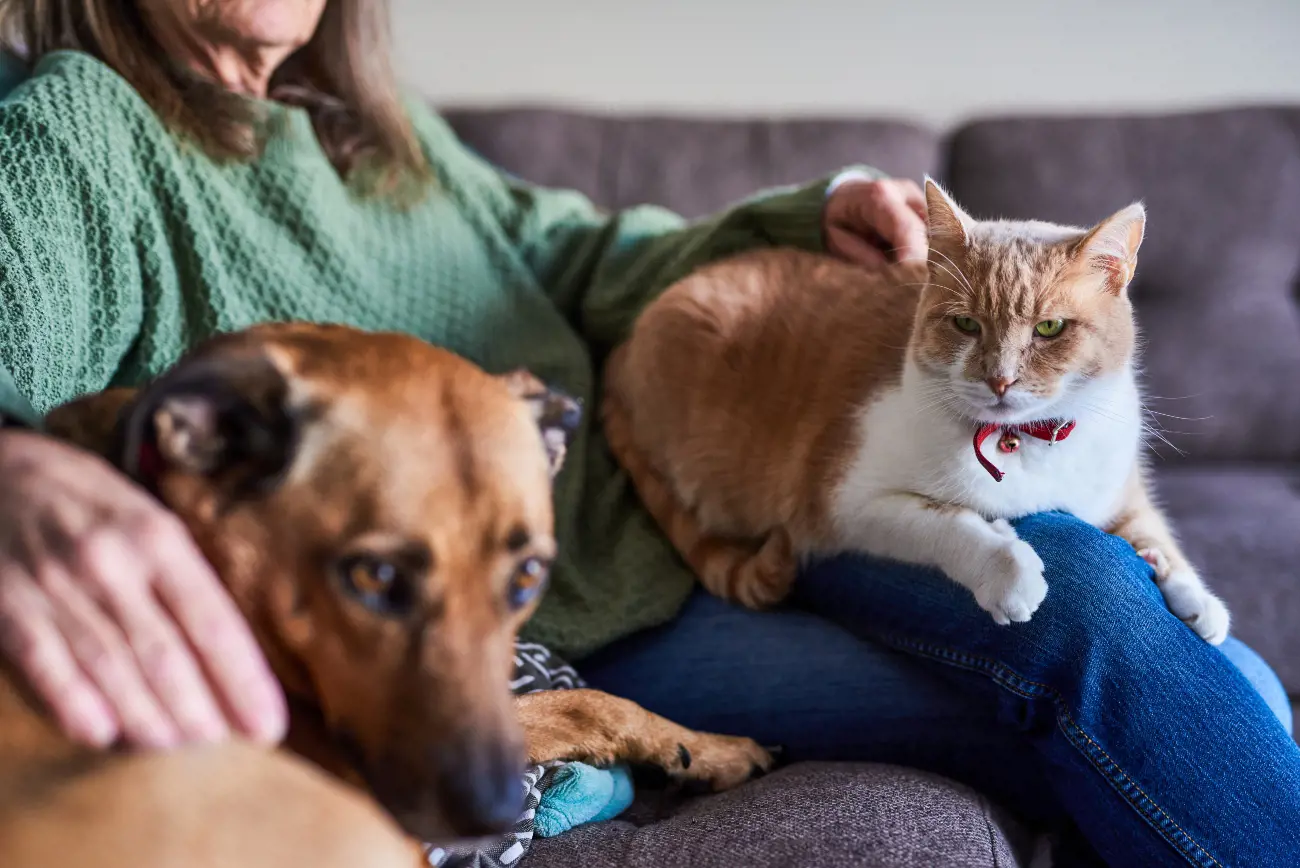
You can switch pet insurance for an older dog, but changing provider may mean that past illnesses, injuries or symptoms are treated as pre-existing conditions and excluded from the new policy. Before moving, compare the cover your dog would keep with the cover they could lose, not simply the difference in price.
When your dog has been part of the family for many years, their comfort and care naturally come first. A renewal price increase can still prompt a sensible question: should you stay with your current pet insurer, or would another policy give you more suitable cover?
There is no single answer for every older dog. Switching may be worth considering if your dog has little or no medical history and another policy is better suited to their current needs.
Staying with an existing insurer may provide greater continuity if your dog has developed conditions that are already covered, particularly under a lifetime policy.
The important thing is to understand the consequences before cancelling anything. A new insurer will assess your dog as a new customer, using the terms of the new policy rather than carrying over the cover provided by the existing insurer.
Can you switch pet insurance for an older dog?
Yes, it may be possible to switch pet insurance for an older dog, provided you can find an insurer willing to offer new cover at your dog’s age. However, acceptance for a new policy does not necessarily mean that every aspect of your dog’s health will be covered.
Some insurers set a maximum age for starting a new policy. At Purely Pets we have no upper age limit for our senior pet insurance policies, although pets must be at least eight weeks old when cover begins. We do not stop offering cover solely because a pet is older, provided there has not been a break in cover.
You can explore the cover available for older and senior dogs or read about senior pet insurance before comparing the details with your present policy.
Age is only one part of the decision. Your dog’s veterinary history, current health, previous claims and any signs or symptoms recorded by a vet may influence what a new policy covers.
Why changing pet insurance for an older dog needs careful thought
Older dogs often have longer veterinary records than younger pets. Even a fit and active senior dog may have visited the vet for stiffness, a recurring ear problem, a skin complaint, dental concerns or a previous injury.
Under a current policy, some of those conditions may already be covered. Under a new policy, they could be classed as pre-existing.
The Association of British Insurers explains that insurers generally do not cover an illness or injury that a pet had, or showed signs of having, before a policy began. This may include illnesses and injuries that can recur or appear in another part of the animal’s body.
This is why the question “Can I switch?” is only the starting point. A more useful question is:
“What treatment would my dog remain covered for if I stay, and what would be excluded if I move?”
What counts as a pre-existing condition?
A pre-existing condition is generally an illness, injury or health concern that existed, showed signs or required attention before the new policy started. The exact definition will depend on the policy wording.
A formal diagnosis may not always be required. If a symptom appeared before the start of the new policy, the insurer may consider a later diagnosis to be connected with that earlier sign. This makes it important to answer all health and medical history questions accurately when requesting a quotation.
Examples that may need to be declared or considered include:
-
An ongoing condition requiring medication
-
An injury that has already received veterinary treatment
-
A recurring ear, eye or skin complaint
-
Limping, stiffness or discomfort noted before the policy began
-
A lump or swelling that is being monitored
-
Symptoms that are under investigation but have not yet been diagnosed
-
A condition that has improved but could recur
-
Treatment or symptoms arising during the new policy’s waiting period
Whether a specific condition is excluded can only be confirmed by the insurer considering the application. The policies and definitions available across the market can differ.
Our frequently asked questions provide information about age limits, pre-existing conditions, excesses, co-payments and waiting periods for its policies.
Why lifetime cover can affect the switching decision
Lifetime pet insurance is designed to provide an annual allowance for eligible illnesses and injuries, subject to the policy limits, exclusions, renewal and payment of premiums.
The Association of British Insurers explains that a lifetime policy covers new medical illnesses and injuries up to a set amount each year while the policy remains in force.
When the policy is renewed, the annual cover amount becomes available again. This can allow an eligible recurring or long-term condition to continue being covered in later policy years, subject to the applicable terms.
At Purely Pets we offer lifetime cover and explains that continued cover depends on renewing the policy each year and keeping premiums up to date. We offer 15 levels of lifetime cover, with annual veterinary fee limits ranging from £1,000 to £15,000, depending on the selected cover level.
For an older dog whose current lifetime policy already covers a recurring condition, moving to another insurer could interrupt that continuity. The new insurer may exclude the condition because it existed before the new policy began.
When might switching be worth exploring?
It may be reasonable to explore changing pet insurance for an older dog when:
-
Your dog has no previous illnesses, injuries or unexplained symptoms
-
Your existing cover no longer reflects the level of protection you are looking for
-
The annual veterinary fee limit is lower than you are comfortable with
-
The excess or co-payment structure no longer suits your circumstances
-
Important features have changed at renewal
-
You have read the alternative policy documents and understand its exclusions
-
The new insurer has confirmed how your dog’s medical history will be assessed
-
You can arrange the new policy without creating an unintended gap in cover
Exploring your options does not require you to cancel your current policy. You can obtain information, read the Insurance Product Information Document and policy wording, and ask questions before deciding.
MoneyHelper notes that pet insurance policies can vary significantly in cost, included cover and exclusions. It recommends considering how you would manage an unexpected bill, while balancing premiums with the likelihood of needing to claim. It also explains that older animals can cost more to insure and are often more likely to require medical attention.
When might staying with your current insurer provide more reassurance?
Remaining with your present insurer may deserve careful consideration if:
-
Your dog has an ongoing condition covered by the current policy
-
You have claimed for treatment that may be needed again
-
Your dog is awaiting tests, treatment or a diagnosis
-
Your dog has recently shown new symptoms
-
The existing policy provides continuing lifetime cover for eligible conditions
-
A new insurer would exclude a meaningful part of your dog’s medical history
-
The alternative policy has a waiting period that would leave a temporary gap
-
The apparent saving is outweighed by greater excesses, co-payments or exclusions
For many families, knowing that an existing condition remains eligible for cover can offer valuable peace of mind. The price of the premium matters, but so does the amount you may need to contribute if treatment is required.
What to compare before you switch insurer for a senior pet in the UK
Avoid comparing policies on the renewal premium alone. Work through the following areas carefully.
Veterinary fee limit
Check the maximum amount available for veterinary treatment. Establish whether the limit applies:
-
Per year
-
Per condition
-
Over the lifetime of the condition
-
For a fixed treatment period
Also look for smaller limits within the main veterinary fee allowance. A policy may have a headline limit while setting separate limits for particular types of treatment or benefits.
Cover type
Confirm whether the proposed policy is lifetime, maximum benefit, time limited or accident only. At Purely Pets, we only offer lifetime cover.
These cover types work differently. A lifetime policy may refresh an eligible annual veterinary fee allowance at renewal. A maximum benefit policy provides a fixed amount for each eligible condition.
A time-limited policy usually covers an eligible condition only for a defined period, while accident-only cover focuses on accidental injuries rather than illness.
Pre-existing condition exclusions
Ask the new insurer how it would treat:
-
Diagnosed conditions
-
Previous symptoms without a diagnosis
-
Conditions that have resolved
-
Recurring conditions
-
Conditions affecting both sides of the body
-
Existing dental concerns
-
Current medication
-
Conditions still being investigated
Do not rely on a general description if your dog has a particular health concern. The answer should relate to the actual policy wording and your dog’s disclosed history.
Waiting periods
A waiting period is the time at the beginning of a policy during which certain claims are not covered.
At Purely Pets, all policies have a 14-day waiting period for illness and a 48-hour waiting period for accidents. This means claims cannot be made for illness or accidents arising within the applicable period, subject to the full policy terms.
The Association of British Insurers advises that waiting periods differ between policies. It notes that illness waiting periods are commonly 14 days but can be longer in some cases.
Check the dates carefully when changing provider. Cancelling the existing policy before the new cover is active could leave your dog uninsured.
Excess and co-payment
The excess is the amount you contribute towards an eligible claim. A co-payment, sometimes called co-insurance, is an additional percentage of the remaining claim that you must pay.
This is particularly relevant when comparing insurance for an older dog. A lower premium does not automatically mean a lower total contribution at claim time.
The Association of British Insurers also advises that policy terms can change as pets age and that a percentage contribution may apply in addition to a fixed excess.
Premiums and future affordability
Pet insurance premiums can change over time. Age, health, claims or treatment history, breed, location and veterinary costs are among the factors that may affect pricing.
The Association of British Insurers advises pet owners to budget for premiums to rise as a pet gets older because the likelihood of illness generally increases.
When you take out a policy with Purely Pets, premiums may increase as pets age, including where no claim has been made, and the increase can be more significant following a claim.
No insurer can tell you with certainty what every future renewal will cost. The practical aim is to consider whether the current premium and likely claim contributions remain manageable, while recognising the value of any existing conditions already covered.
Additional policy benefits
Consider whether the policy includes services that would be useful for your dog, but keep the main medical cover at the centre of the comparison.
We offer unlimited 24-hour video consultations with a vet through Joii which may offer reassurance when you are unsure whether a change in your older dog’s behaviour needs veterinary attention. It should not, however, replace emergency or in-person treatment when this is needed.
A step-by-step checklist before changing pet insurance for an older dog
Read your current renewal documents
Note the premium, veterinary fee limit, excess, co-payment and any changes to the cover. Check which previous or ongoing conditions are currently eligible.
Gather your dog’s medical information
Review their veterinary history, including previous symptoms, investigations, medication, referrals and claims. You can ask your veterinary practice for a copy if needed.
Obtain quotations without cancelling existing cover
Give complete and accurate information. A quote is an opportunity to compare terms, not a commitment to move.
Read the full documents
Review the policy wording and Insurance Product Information Document. Pay particular attention to pre-existing conditions, waiting periods, medical exclusions, annual limits, excesses and age-related contributions.
Ask condition-specific questions
If your dog has had arthritis, allergies, ear infections, digestive problems, dental treatment or an injury, ask how future related treatment would be handled. Request written clarification where possible.
Compare likely claim contributions
Consider the fixed excess and any percentage co-payment, not only the premium.
Check the start and cancellation dates
Do not cancel the existing policy until you understand when the new cover starts and what waiting periods apply. Avoid an accidental break in insurance.
Keep all documents
Save the quote, policy wording, medical declarations and written answers supplied by the insurer. These provide a clear record of the information available when you made your decision.
What if you are unhappy with your current policy?
Begin by contacting your existing insurer. Ask for a clear explanation of the renewal premium and any changes to the terms, limits, excess or co-payment.
Making a calm, pet-first decision
Changing pet insurance for an older dog is possible, but it deserves more care than a simple price comparison. Your dog’s medical history, existing cover and future care needs should guide the decision.
If they have ongoing or recurring conditions covered under their present lifetime policy, continuity may be especially valuable. If they have a limited medical history, comparing other policies may reveal cover that fits their current needs more closely.
Take time to read the documents, ask specific questions and calculate what you would contribute towards a claim. Whether you stay or switch insurer for your senior pet in the UK, the aim is the same: to understand the cover clearly and feel reassured that you have made a considered choice for a much-loved member of the family.
Frequently asked questions
Finding new cover can become more difficult as a dog ages because some insurers set upper age limits for new policies. A longer medical history can also lead to more exclusions.
Purely Pets states that it has no upper age limit, although its usual policy terms, exclusions and eligibility requirements still apply.
Purely Pets does not cover pre-existing conditions. Across the wider market, definitions and terms can vary, so check the new insurer’s policy wording and ask how your dog’s specific history would be treated.
You may be able to take out a new policy, but the treatment and related condition are likely to be considered pre-existing under a policy that excludes existing conditions. Your current insurer may continue covering an eligible condition if the existing policy remains active and its terms are met.
No. A new insurer provides a new contract under its own terms. Conditions covered by an existing lifetime policy may become pre-existing conditions under the replacement policy.
No. A quotation is not the same as active cover. Check the new policy’s start date, exclusions and waiting periods before ending the existing policy. Make sure you understand whether any break in cover will occur.
Helpful Pages
Recent Posts

Pet Insurance Quote
- 98% claims paid *
- Claims paid directly to vets
- 24/7 vet video consultations
- Interest free monthly payments