


Top 6 vital stats about the Ragdoll...

Social
Very friendly and affectionate

Exercise
15 minutes intervals a few times a day

Grooming
Weekly brushing

Feeding
2 to 3 times a day

Training
Do not require extensive training

Shedding
Moderate shedding
How do Ragdoll’s interact?
Good with other pets?
Yes, they get along really well with other pets. This is because Ragdolls have excellent compatibility with other cats and dogs which makes them a great choice for multi-pet households.
Good with people?
Yes, Ragdolls are great family pets since they are empathetic and are in-tune with human emotions.
Good with children?
Yes, they are excellent companions for children, making them a popular choice for families. These gentle giants are known for their calm and patient demeanour, which allows them to tolerate the sometimes clumsy handling of young kids.
Caring for your Ragdoll
Do Ragdolls need a lot of grooming?
No, they don't require excessive grooming, they do benefit from regular care. Their semi-long fur is relatively tangle-resistant, thanks to a lack of undercoat, but weekly brushing helps prevent matting and reduces shedding.
Do Ragdoll cats have common health issues?
Yes, they can be prone to certain health conditions. Hypertrophic cardiomyopathy (HCM), a form of heart disease, is one of the most significant concerns for Ragdolls, with some lines having a genetic predisposition to this condition. Additionally, these cats may be susceptible to polycystic kidney disease and bladder stones.
How many times do they eat a day?
Adult Ragdolls generally thrive on two meals a day, spaced about 12 hours apart, which helps regulate their metabolism and prevent overeating. However, kittens and younger Ragdolls may need more frequent feedings, up to three or four times daily, to support their rapid growth and development.
Ragdoll personality traits
Do Ragdoll’s need a lot of training?
Ragdolls can quickly learn basic commands like "come" and "sit," and they often enjoy playing fetch or walking on a leash with proper introduction. Litter box training is usually a breeze, as they naturally prefer cleanliness. However, their laid-back personality can sometimes be mistaken for laziness, and they may require consistent, patient reinforcement.
What energy levels do Ragdoll’s have?
Ragdolls are renowned for their gentle and sociable nature, making them a popular choice among cat lovers. While not as hyperactive as some breeds, Ragdolls exhibit a moderate level of playfulness that keeps them engaged without being overly demanding.
Are Ragdoll cats sociable?
These charming felines are indeed social butterflies, craving human interaction and often following their owners from room to room like loyal companions. Their desire for companionship is evident in the way they greet family members at the door or curl up in laps during relaxation time.
Did You Know?
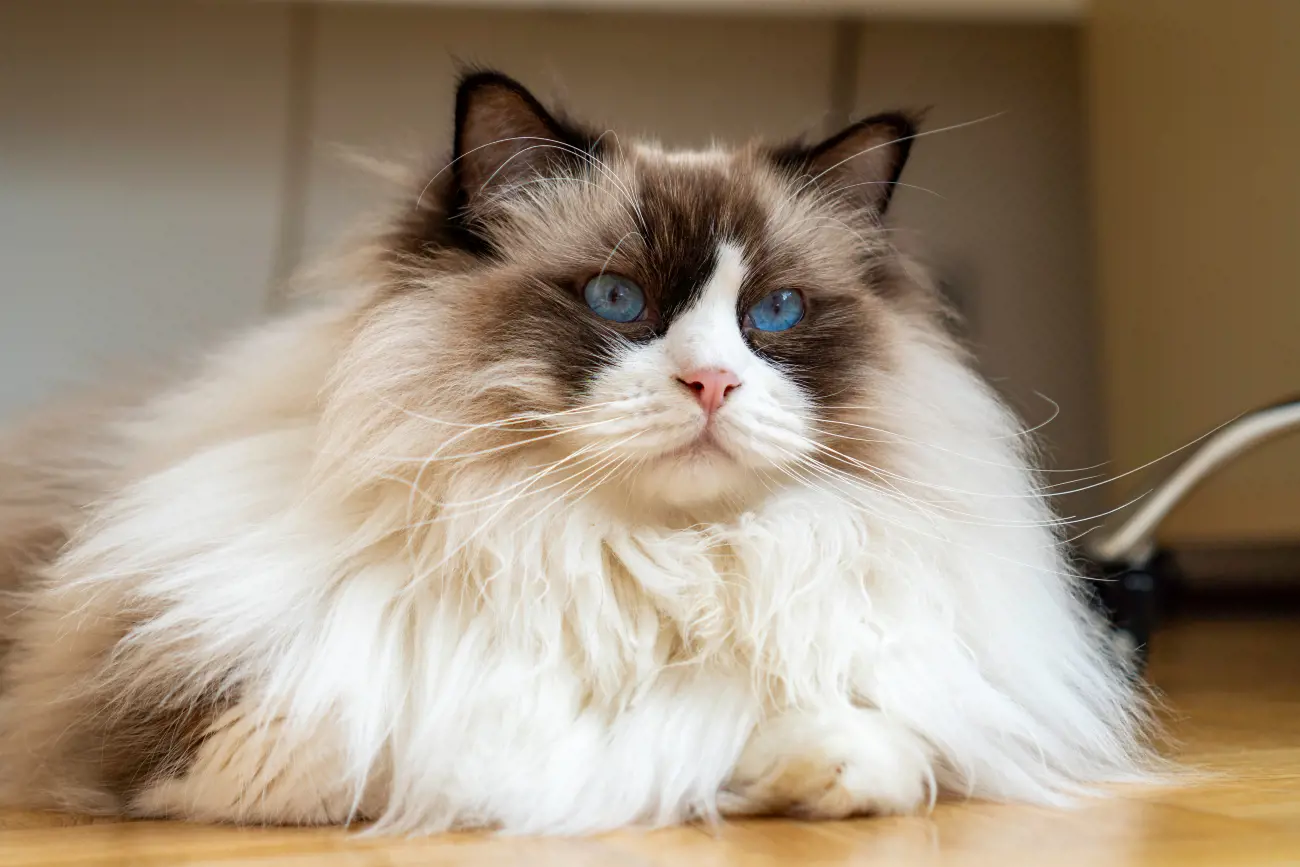
All pedigree Ragdolls are born with blue eyes.
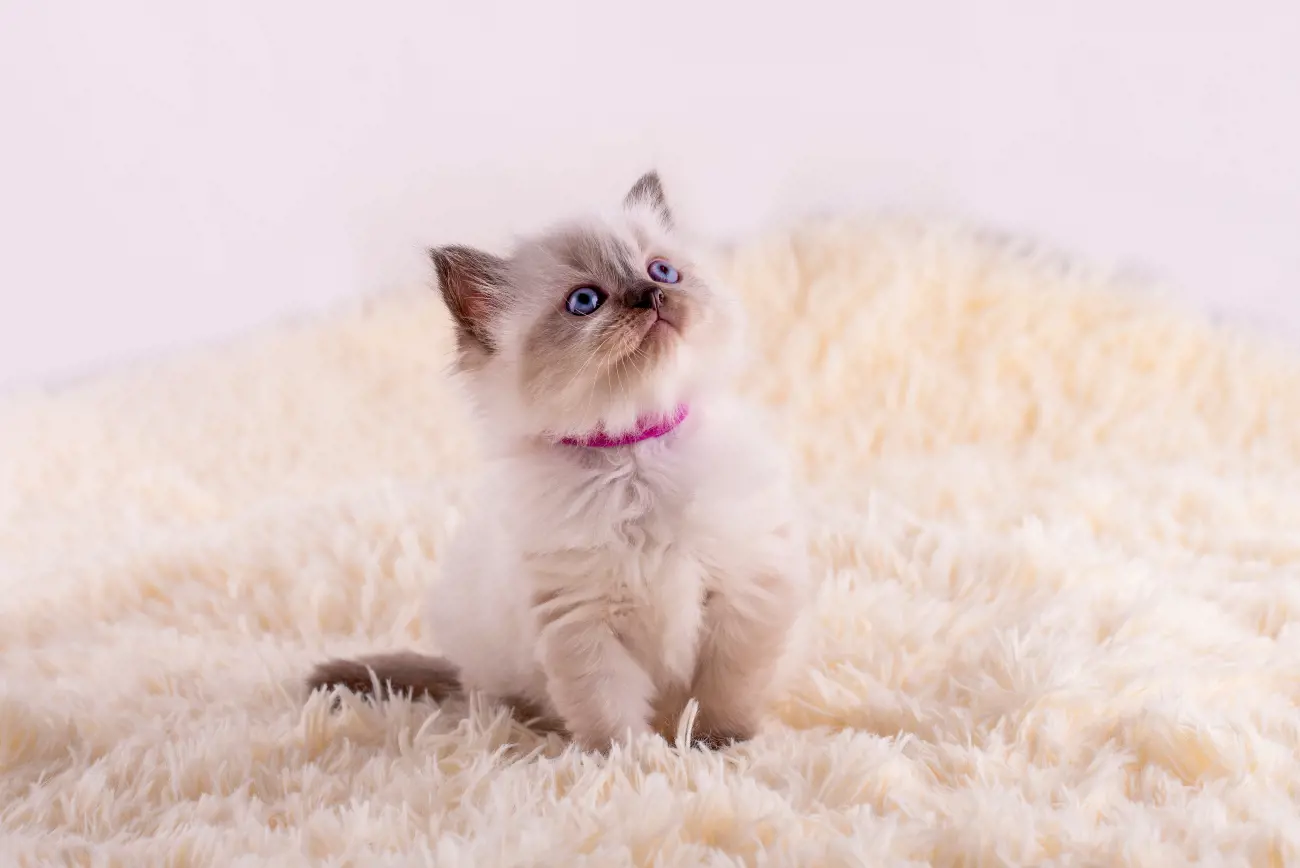
Celebrity owners of Ragdolls include Taylor Swift, Seth Green, Sylvester Stallone and Dannii Minogue.
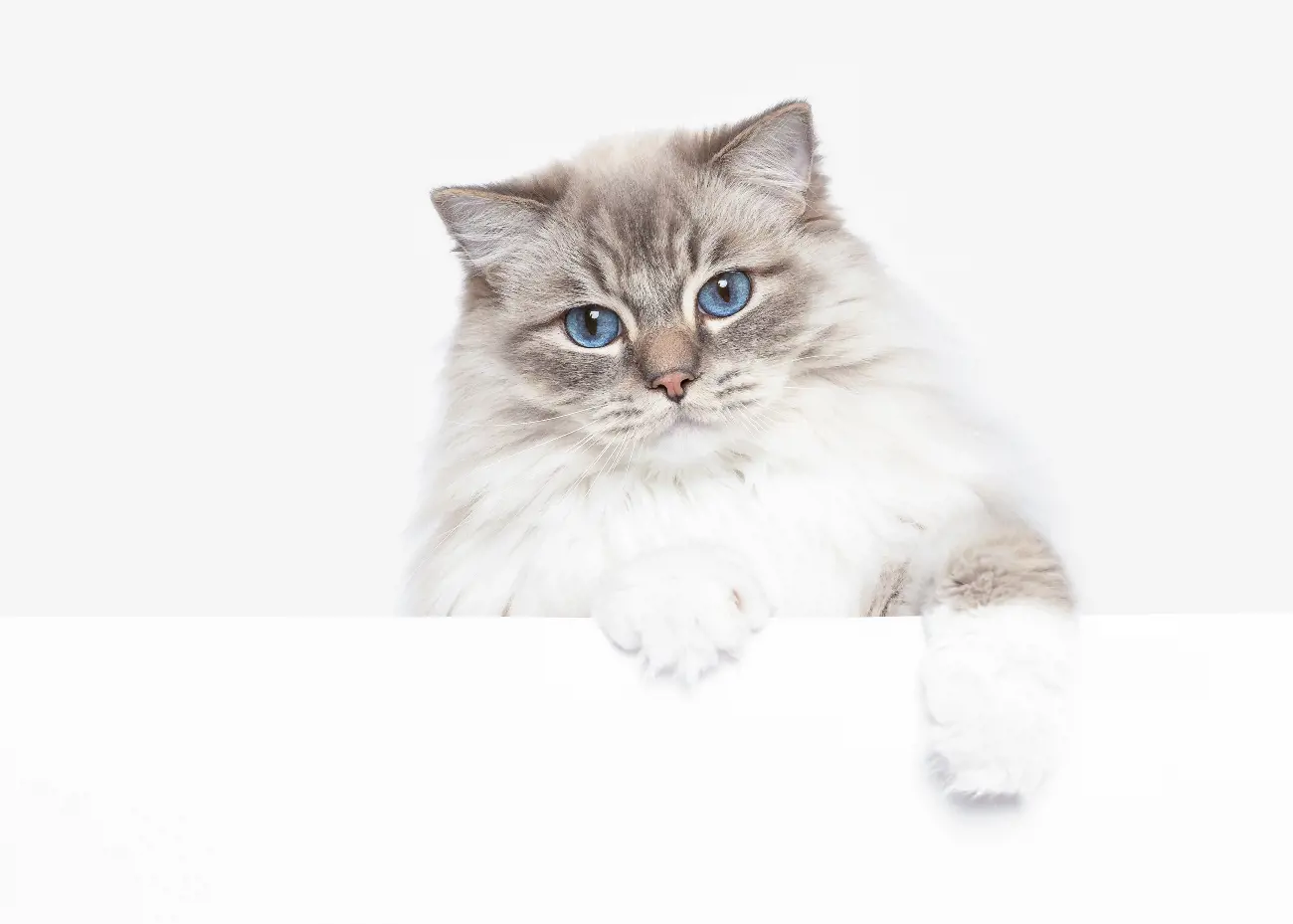
Ragdolls take longer to fully grow into adult cats at around four years of age.
Package available for your Ragdoll includes
Bronze
Silver
Gold
Complementary treatment
Up to
£500
per illness/injury
Up to
£750
per illness/injury
Up to
£1000
per illness/injury
3rd Party Liability (dogs only)
Up to
£1M
per illness/injury
Up to
£2M
per illness/injury
Up to
£2M
per illness/injury
Death from Illness
£1,000
£1,500
£2,000
Death from accident *
*Death from illness does not apply to dogs aged 9 and over & cats aged 11 and over
£1,000
£1,500
£2,000
Ragdoll Training & Exercise

- Training your Ragdoll cat, playing fun games with them and giving them lots of interactive toys to play with helps them to exercise and manage their weight.
- Ragdolls are often described as "puppy-like" in their behaviour, following family members around and even learning to play fetch.
- Ragdolls are a larger cat breed so they tend to have bigger appetites. Feeding them high quality meals is one way in which you can keep them happy.
- You could also give them lots of toys to keep them entertained.
- Ragdolls love to play so it's not difficult to get them to do some exercise. Playing with your cat for 15 minutes a couple of times a day is all they need to keep them fit and happy.
- Ragdolls are also known to get along well with other pets, making them an excellent choice for multi-pet households.
- Their friendly disposition extends to strangers as well, as they usually exhibit a welcoming attitude rather than a reserved one.
Ragdoll Cat Maintenance

-
Ragdoll cats require carefully portioned meals to maintain their health and luxurious coats.As a general guideline, adult Ragdolls should be fed 250 - 350 calories a day.
-
Ragdolls only need to be bathed when they are visibly dirty or greasy. Otherwise, they don’t need to be given a bath.
-
Soft bristle brushes are good for spreading the natural oils through your Ragdoll’s fur. You may also use silicone or rubber bristle brushes to reach further into your Ragdoll’s coat.
-
These brushes are still soft enough for kittens and cats with sensitive skin but might not have the strength to detangle tough mats.
-
Helping out long-haired cats like the Ragdoll, can help reduce hairballs and tangled knots. However, for the most part, your cat can handle their grooming requirements themselves.
Ragdoll Common Health Conditions
- This heart condition causes the thickening of the heart muscle, which can lead to heart failure if left untreated.
- Symptoms may include lethargy, difficulty breathing, and in severe cases, sudden collapse.
- This inherited disorder causes multiple cysts to form in the kidneys, potentially leading to kidney failure over time. While less common than in some other breeds, PKD can still affect Ragdolls.
- This is a viral disease that can be fatal. While not exclusive to Ragdolls, some studies suggest they may have a higher susceptibility. FIP can manifest in various ways, including weight loss, fever, and abdominal swelling.
- Regular veterinary check-ups, balanced diet and a stress free environment are key to maintaining your Ragdoll’s health.
Frequently Asked Questions
Yes, the Ragdoll cat breed is highly recommended for beginners due to their gentle, affectionate, and easy-going nature. These cats adapt well to various living situations and are known for their friendly disposition towards people of all ages, including children and other pets.
Their laid-back temperament means they rarely exhibit aggressive or shy behaviours, making them ideal for first-time cat owners who want a loving and sociable companion.
Before bringing a Ragdoll cat into your home, it’s important to understand their unique needs and characteristics. Ragdolls need regular grooming to maintain their semi-long coats and prevent matting. Additionally, Ragdolls are commonly indoor cats who thrive on human interaction and may suffer from separation anxiety if left alone for long periods.
Not necessarily, Ragdoll cats are generally considered low-maintenance compared to other long-haired breeds. Their coat lacks a dense undercoat, which reduces shedding and matting, so weekly grooming is usually sufficient. However, because they are large cats with a tendency toward weight gain, it’s important to monitor their diet and encourage regular exercise.
Yes, Ragdoll kittens can sleep alone, but they often prefer the comfort and security of sleeping near their human family members. Their affectionate and social nature means they enjoy companionship and may follow their owners from room to room.
No, Ragdolls are not considered hypoallergenic. While their coats produce less loose hair due to the lack of a thick undercoat, they still shed and produce allergens through their skin and saliva.
Yes, Ragdoll cats make excellent house cats. Their calm and friendly nature suits indoor living, and they adapt well to apartment or house environments. Because they are not street-smart and have a laid-back temperament, it’s safer for them to stay indoors or in a secure outdoor enclosure.
The Ragdoll cat breed was developed in the 1960s by Ann Baker, a breeder in California. She aimed to create a large, affectionate cat with a gentle temperament and striking appearance. Ann Baker bred a domestic long-haired white cat named Josephine with other cats, including a solid black cat, to produce the foundation Ragdolls.
No, the Ragdoll is a relatively modern breed. It was created in the 1960s, making it one of the newer cat breeds compared to ancient or natural breeds. Despite its recent origin, the Ragdoll has become one of the most popular and beloved domestic cats worldwide.
Ragdolls are generally not allowed outside unsupervised because of their laid-back and trusting nature, which makes them less street-smart and more vulnerable to dangers such as traffic, predators, or getting lost. Their gentle temperament means they may not have the instincts to protect themselves in hazardous outdoor environments.
No, they are not lazy, They enjoy interactive play sessions and can be quite playful, especially during their "crazy 15 minutes" bursts of energy. However, compared to more active breeds, Ragdolls tend to have moderate energy levels and prefer gentle activities over strenuous exercise.
The exact breeds involved are not fully documented, but the foundation cats likely included Angora-type cats and other domestic long-haired cats with desirable traits such as a gentle temperament and striking appearance.
Ragdoll cats have some cons that potential pet parents should consider:
-
Their large size means they may require more food and space than smaller breeds.
-
They are prone to certain health issues such as hypertrophic cardiomyopathy (HCM) and polycystic kidney disease (PKD), so regular veterinary check-ups and DNA testing are important.
-
Ragdolls may develop separation anxiety if left alone for extended periods due to their social nature.
-
Their semi-long coat requires regular grooming to prevent matting, and they are not suited for outdoor life without supervision.
Ragdolls are special for several reasons:
-
They are known for their unique temperament traits, including going limp and relaxed when picked up, which is how they got their name.
-
Their striking appearance includes deep blue eyes, a silky semi-longhaired coat, and distinctive colourpoint patterns such as mitted ragdolls and colorpoint ragdolls.
-
They are gentle cats that form strong bonds with their pet parents and other animals, making them excellent companions.
-
Their calm, affectionate nature and moderate activity levels make them great pets for families, singles, and older cats alike.
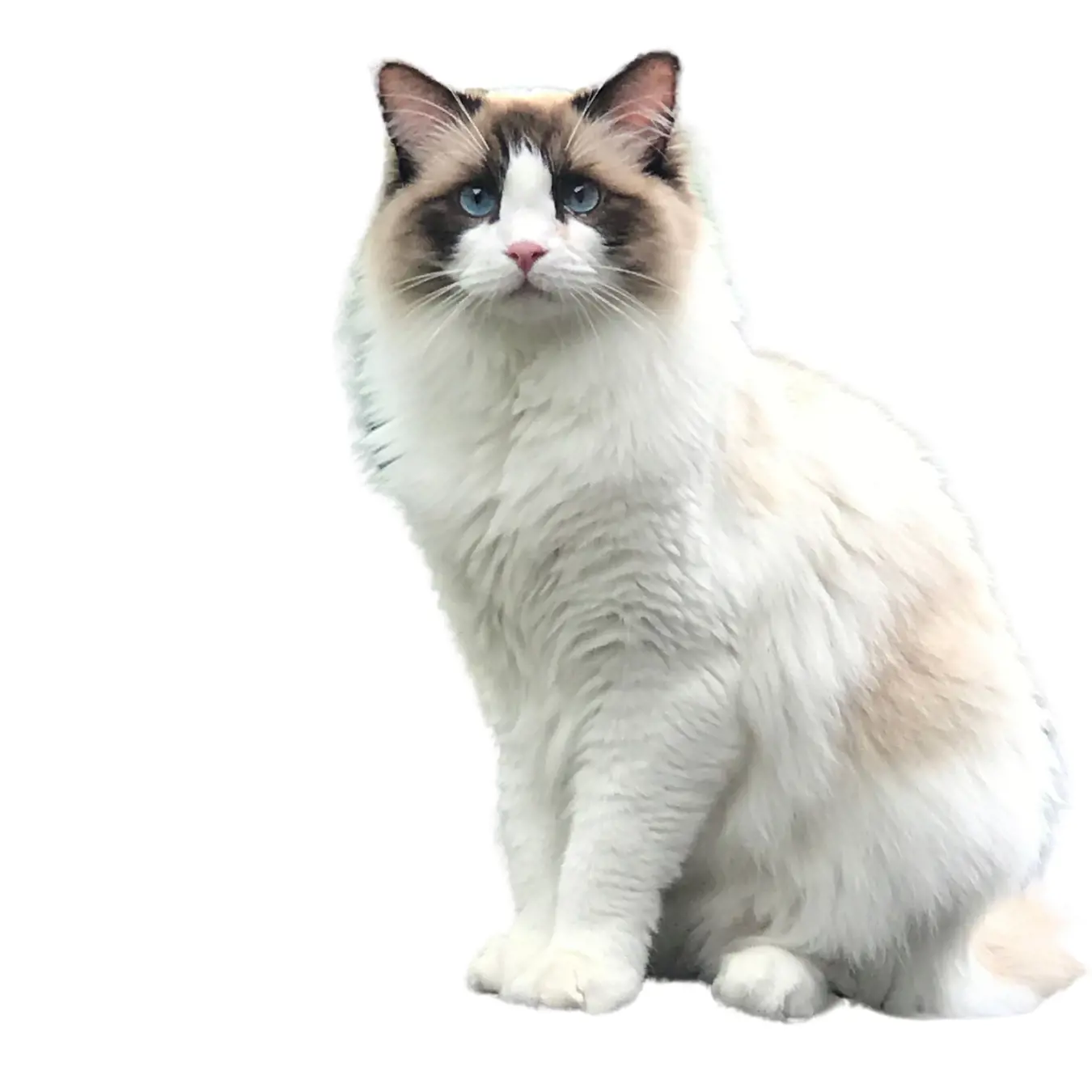
Ragdolls come in several different types based on their coat patterns and colours. The main patterns include colourpoint Ragdolls, mitted Ragdolls, and bi-colour Ragdolls:
-
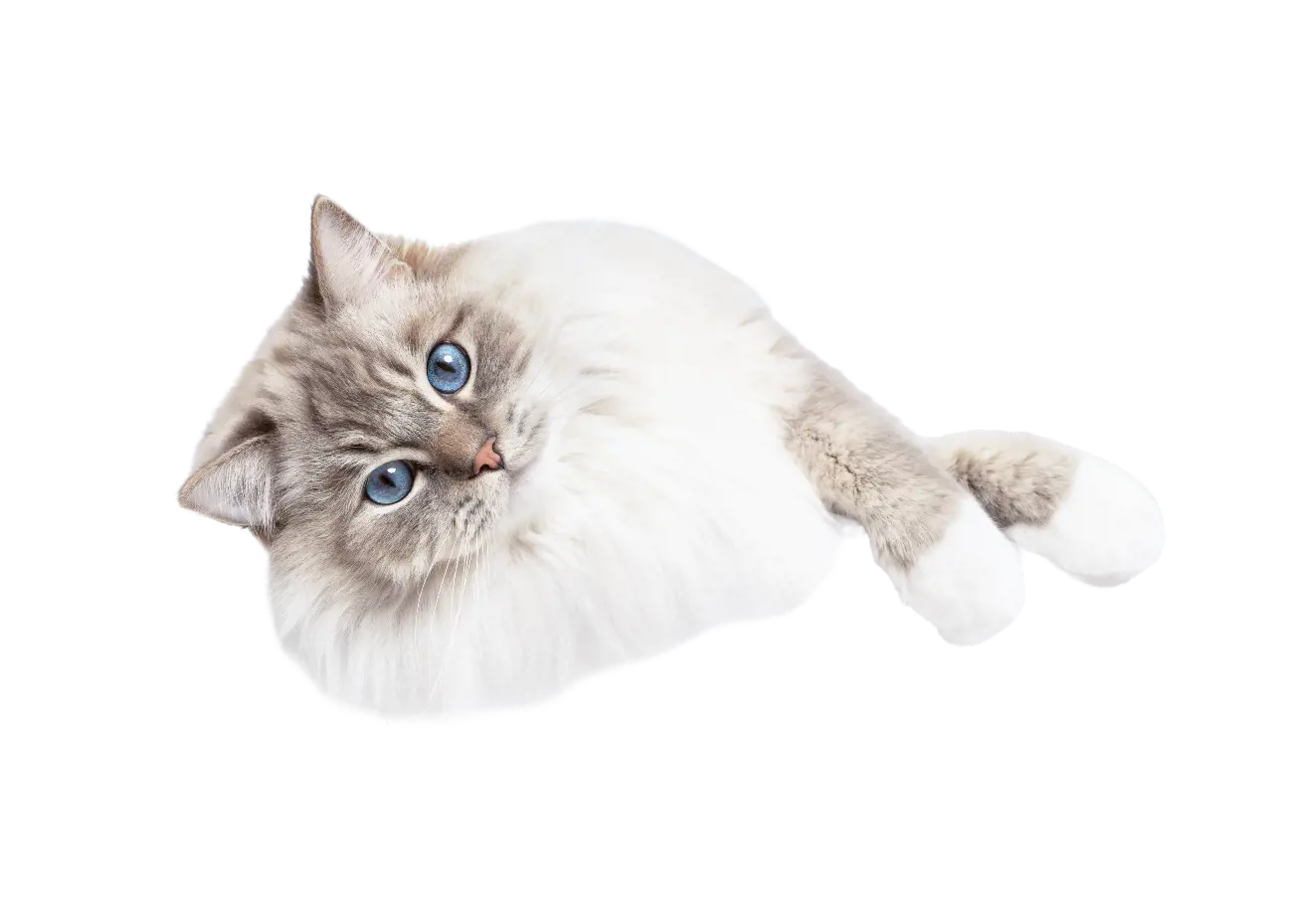
Colourpoint Ragdolls have the deepest colour restricted to the points such as the face, ears, paws, and tail.
-
Mitted Ragdolls feature white mittens on their front paws and white legs, often with a white blaze on the nose.
-
Bi-colour Ragdolls have a white inverted V on their face, along with white on the chest and underbody.
Ragdoll colours include seal, blue, chocolate, lilac, red, and cream, with variations such as Tortie points and Lynx point tabby markings. These beautiful cats are born white due to a genetic mutation and develop their colours over the first few months to years of life.
Compare other cat breeds