


Top 6 vital stats about Cavalier King Charles Spaniels...

Social
Friendly and playful

Exercise
1+ hour per day

Grooming
Daily brushing

Feeding
2-3 times a day

Training
Requires frequent exercise and stimulation

Shedding
Heavy
How do Cavalier King Charles Spaniels interact?
Good with other pets?
Cavalier King Charles Spaniels are generally very sociable dogs and tend to get along well with other pets, including other dogs and cats. Their friendly and gentle nature makes them a great addition to multi-pet households. Early socialisation is key to ensuring they coexist peacefully with other animals. They are known to be tolerant and usually show little aggression, making them ideal companions to other pets when introduced properly.
Good with children?
Cavaliers are well-known for their affectionate and patient temperament, which makes them excellent family dogs, particularly around children. They are gentle and playful, often forming strong bonds with kids and enjoying interactive playtime. However, as with any dog, supervision is recommended during interactions with young children to ensure safe and respectful behaviour from both sides.
Good with people?
The Cavalier King Charles Spaniel is a highly social and friendly breed that typically loves human interaction. They are known for being outgoing and eager to please, often greeting strangers warmly without hesitation. This makes them poor guard dogs but excellent companions who thrive on affection and companionship. Their gentle disposition and eagerness to bond with their owners mean they do best in homes where they are included as part of the family and receive plenty of human attention.
Cavalier King Charles Spaniel interaction summary
Cavalier King Charles Spaniels are known for their friendly and affectionate nature, they thrive on human and animal interaction, making them great companions for families and individuals. With proper early socialisation, they get along well with other pets, including cats and small animals. These dogs are patient and playful with children and greet strangers warmly, which makes them excellent companions.
Caring for your Cavalier King Charles Spaniel
Do Cavalier King Charles Spaniels need a lot of grooming?
Cavalier King Charles Spaniels have a beautiful silky coat that needs regular care to stay healthy and shiny, daily brushing is recommended to prevent tangles, especially in the feathered areas on their ears, chest, legs, and tail. Some owners trim these feathered parts to keep their dogs cleaner. Regular grooming also helps check for ear problems common in Cavaliers. Bathing should be done as needed with gentle shampoo, and nail trimming, dental care, and eye cleaning are important parts of their routine.
Do Cavalier King Charles Spaniels have common health issues?
Yes, Cavalier King Charles Spaniels are prone to several health issues, the most common being mitral valve disease (MVD), a heart condition that can lead to heart failure. Regular veterinary checks are essential for early detection and management. They are also susceptible to syringomyelia, a neurological disorder causing pain and abnormal scratching.
How many times a day do they eat?
Cavalier King Charles Spaniels usually do well with two to three meals daily, depending on age and activity. Puppies need more frequent feeding to support growth, adults benefit from two balanced meals to maintain weight and energy. Feed high quality dog food and avoid overfeeding, as Cavaliers can gain weight easily. Portion control and regular meal times help prevent overeating. Fresh water should always be available. Treats are fine in moderation, making up no more than 10% of daily calories.
Cavalier King Charles Spaniel care summary
Caring for a Cavalier King Charles Spaniel involves regular grooming, health monitoring, proper diet, and exercise to keep them happy and healthy. Their silky coat needs daily brushing to prevent tangles, especially in feathered areas, with some owners trimming these for easier maintenance. Grooming also helps check for common ear problems. This breed is prone to health issues like mitral valve disease, syringomyelia, hip dysplasia, luxating patella, and eye conditions.
Cavalier King Charles Spaniels personality & temperament
Do Cavalier King Charles Spaniels need a lot of training?
Cavalier King Charles Spaniels are incredibly eager to please, which generally makes training them a rewarding experience. They respond well to positive reinforcement techniques such as treats, praise, and play. Starting training early, ideally when they are puppies, helps establish good behaviour and prevents the development of bad habits. Cavaliers are intelligent and quick learners, which means they can excel in obedience training and canine sports if given the opportunity.
What energy levels do Cavalier King Charles Spaniels have?
Despite their small size, Cavaliers are considered a high energy breed that enjoys regular physical activity and mental stimulation. They require at least one hour of exercise daily, which can include walks, playtime, and agility activities. Their sporting spaniel heritage means they have a natural prey drive and love to chase, so secure garden spaces or leashed walks in safe areas are recommended to keep them safe.
Do Cavalier King Charles Spaniels bark a lot?
Cavalier King Charles Spaniels are generally not excessive barkers. They tend to bark to alert their owners of visitors or unusual noises but are usually quiet when left alone. Their friendly and social nature means they are more likely to greet strangers warmly than to bark aggressively. However, like most dogs, individual Cavaliers may vary, and early socialisation and training can help manage any excessive barking tendencies.
Cavalier King Charles Spaniel personality summary
The Cavalier King Charles Spaniel is known for its affectionate, friendly, and gentle nature, making it an ideal companion for families and individuals. This toy breed thrives on human interaction, forming strong bonds with owners and other pets. Playful yet patient, Cavaliers get along well with children and other dogs when socialised early. Eager to please, they respond well to positive training and are relatively easy to train.
Did You Know?

The breed is named after King Charles II of England, who was famously fond of small toy spaniels and even allowed them to accompany him everywhere, including in public places where dogs were typically not permitted.
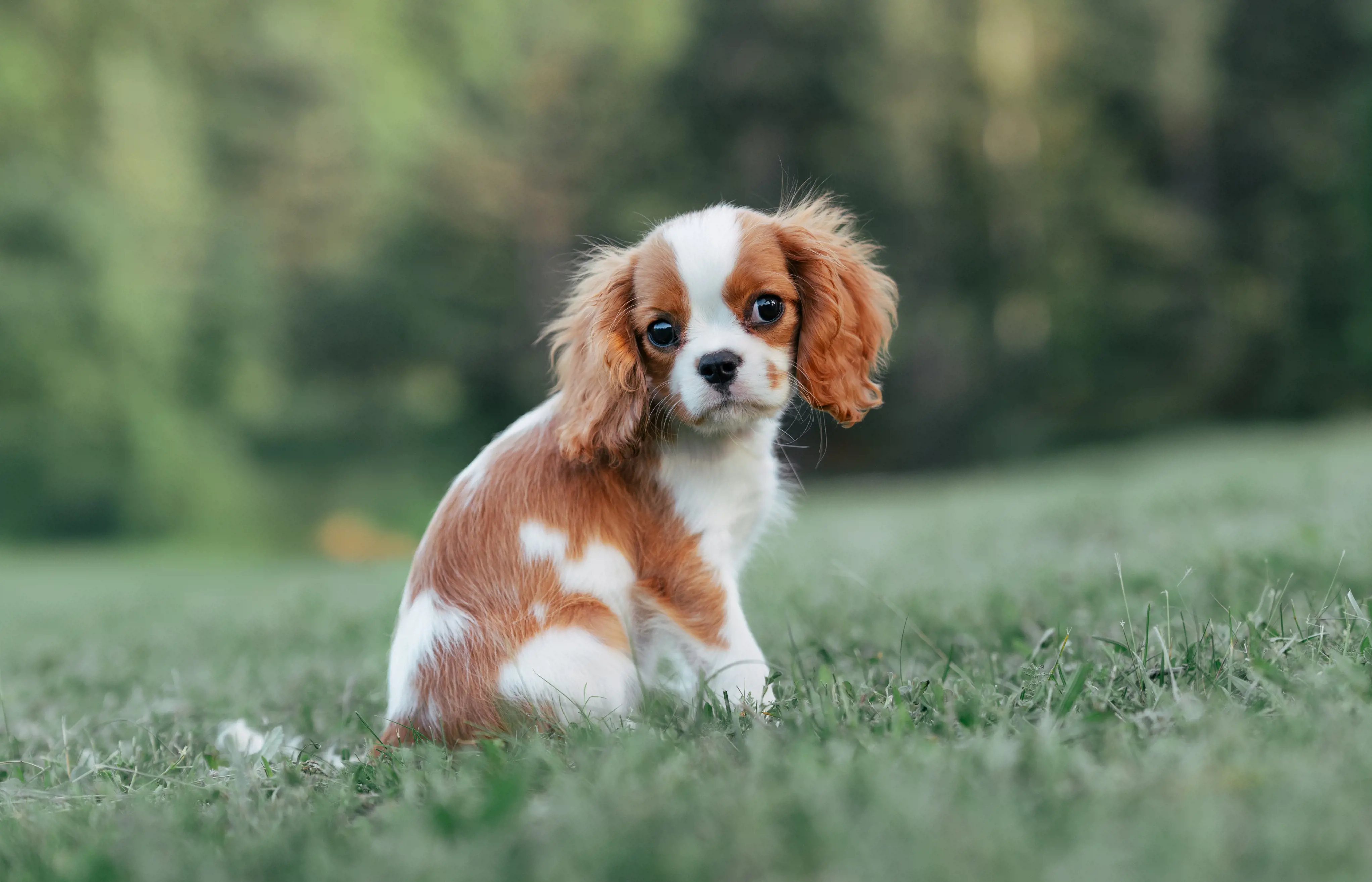
One of the recognised coat colours, Blenheim, is named after Blenheim Palace, where a strain of these spaniels was kept. The distinctive chestnut spot on the forehead is known as the "Blenheim spot" or the "Duchess's Thumbprint," linked to a legend involving Sarah Churchill, Duchess of Marlborough.
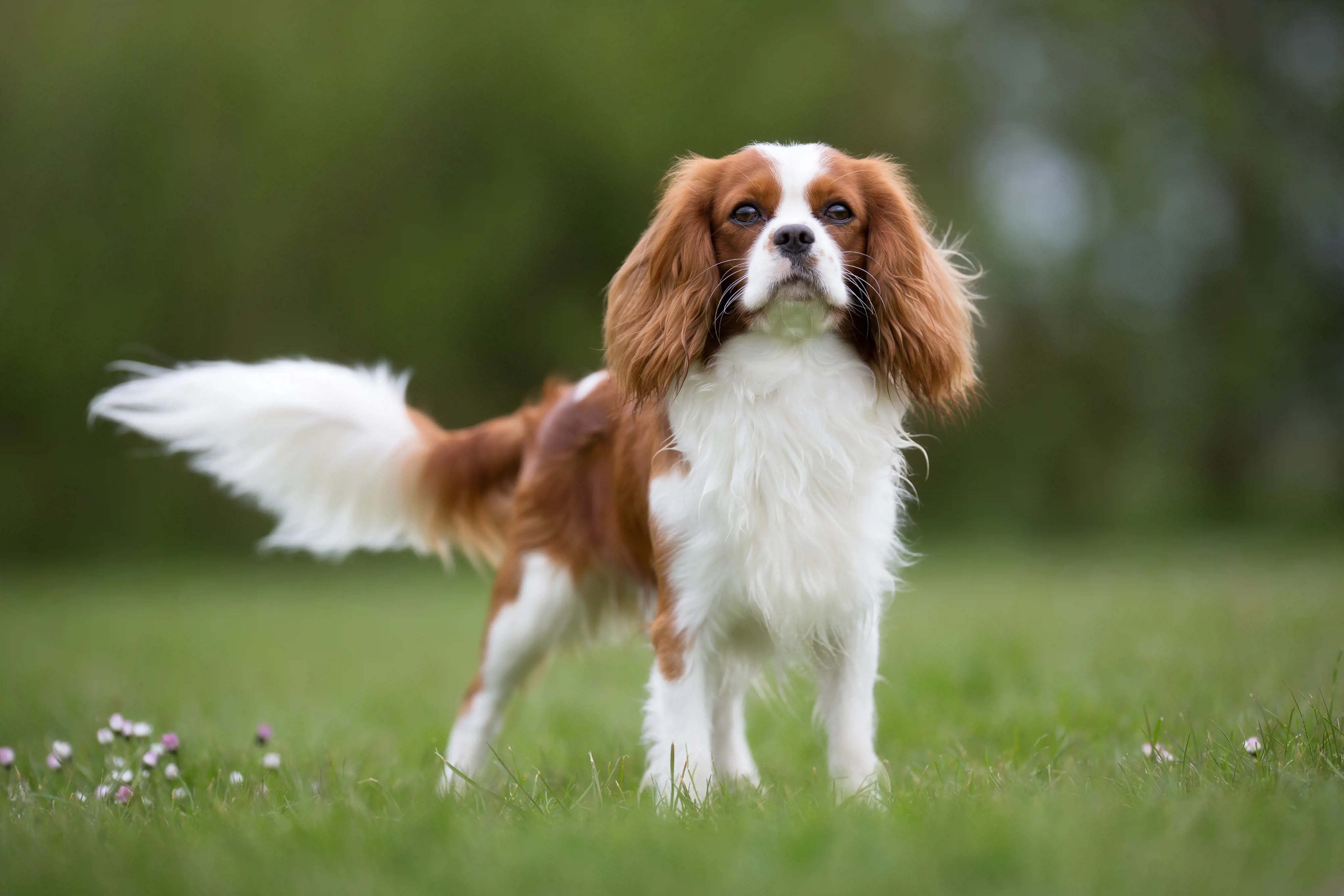
The Cavalier King Charles Spaniel was nearly extinct in the 19th century but was saved through the efforts of American Roswell Eldridge, who offered prizes at dog shows to encourage breeding of the "old type" spaniels resembling those favored by King Charles II.
Package available for your Cavalier King Charles Spaniel includes
Bronze
Silver
Gold
Complementary treatment
Up to
£500
per illness/injury
Up to
£750
per illness/injury
Up to
£1000
per illness/injury
3rd Party Liability (dogs only)
Up to
£1M
per illness/injury
Up to
£2M
per illness/injury
Up to
£2M
per illness/injury
Death from Illness*
*Death from illness does not apply to dogs aged 9 and over & cats aged 11 and over
£1,000
£1,500
£2,000
Death from accident
£1,000
£1,500
£2,000
Cavalier King Charles Spaniel common health conditions

- Syringomyelia is a serious neurological condition that affects many Cavalier King Charles Spaniels.
- It occurs when fluid-filled cavities develop within the spinal cord, caused by a malformation of the skull that restricts space for the brain and spinal cord.
- This leads to increased pressure and the formation of fluid filled areas, which can cause severe pain and neurological symptoms.
- Patellar luxation is a common orthopaedic issue in the cavalier breed, where the kneecap (patella) slips out of its normal position.
- This condition can cause varying degrees of lameness or an abnormal gait and is often noticed at an early age.
- Luxation can be graded from mild to severe, and while some dogs manage well with conservative care, others may require surgery to correct the problem.
- Mitral valve disease is the most prevalent heart disease affecting Cavalier King Charles Spaniels and is a leading cause of heart failure in the breed.
- This progressive condition involves the degeneration of the mitral valve in the heart, leading to a heart murmur and eventually heart failure, often at an early age compared to other breeds.
- Regular health checks, including heart auscultation and echocardiograms, are important for early detection.
- Beyond syringomyelia, Cavaliers can be prone to other neurological problems, including episodic falling syndrome, which is caused by a single recessive gene.
- This condition results in episodes of increased muscle tone and stiffness, often mistaken for seizures, but the dog remains conscious throughout.
Cavalier King Charles Spaniel training & exercise
- Training a Cavalier King Charles Spaniel is generally a pleasant and rewarding experience due to their incredibly eager-to-please nature.
- Positive reinforcement techniques such as treats, praise, and play work best to motivate them. Starting training early, ideally when they are still puppies, helps establish good habits and prevents the development of undesirable behaviours.
- Cavaliers are intelligent and quick learners, making them suitable for obedience training and canine sports. Consistency and patience are key, as they respond well to gentle guidance and encouragement.
- Cavalier King Charles Spaniels form strong bonds with their owners and thrive on human interaction. Because of this, they can be prone to separation anxiety if left alone for extended periods.
- Signs of separation anxiety may include excessive barking, destructive behaviour, or attempts to escape.
- To help prevent this, it is important to gradually acclimate your Cavalier to being alone by starting with short absences and gradually increasing the time.
- Despite their small size, Cavaliers are an active and high-energy breed that require at least one hour of exercise daily to stay happy and healthy.
- This exercise can be a combination of walks, playtime, and activities such as agility or canine sports, which also provide valuable mental stimulation.
- Their sporting spaniel heritage means they have a natural prey drive and enjoy chasing games, so it is important to provide a secure garden or keep them on a leash in open areas to ensure their safety.
- Early socialisation is important for Cavalier King Charles Spaniels to develop confidence and good behaviour around other dogs, pets, and people.
- Introducing your puppy to a variety of experiences, environments, and friendly animals helps them become well-rounded and adaptable adults.
- Socialisation should include meeting different types of people, including children, and exposure to common household noises and situations.
Cavalier King Charles Spaniel maintenance
- Cavalier King Charles Spaniels have a beautiful silky coat that requires regular grooming to keep it healthy and looking its best. Their coat can be prone to tangling, especially in the feathered areas on the ears, chest, legs, and tail.
- Daily brushing is recommended to maintain a tangle free coat and to prevent mats from forming. Using a slicker brush or a comb designed for long-haired dogs can help remove loose hair and dirt while stimulating the skin for healthy hair growth.
- Bathing should be done as needed, typically every few weeks or when the dog becomes dirty. Use a gentle dog shampoo that is suitable for sensitive skin to avoid irritation.
- After bathing, thoroughly dry the coat to prevent any moisture from lingering, which can lead to skin infections.
- Some owners also use conditioner formulated for dogs to keep the coat soft and silky.
- Regular maintenance also includes trimming the hair around the feet and sanitary areas to keep the dog clean and comfortable.
- Some owners choose to trim the feathering on the ears, legs, and tail to reduce the risk of dirt accumulation, especially if the dog spends a lot of time outdoors.
- Nail trimming should be done regularly to prevent overgrowth and discomfort. Additionally, regular ear checks and cleaning are important to prevent ear infections, which Cavaliers can be prone to due to their floppy ears.
- Brushing is a crucial part of daily grooming for Cavaliers. It not only keeps the coat looking shiny and healthy but also helps to distribute natural oils across the skin and hair.
- This promotes a healthy coat and reduces shedding. Paying special attention to the feathered areas during brushing will help avoid painful mats and tangles.
- It's also a great opportunity to check for any skin issues, parasites, or abnormalities that might require veterinary attention.
Frequently Asked Questions
While Cavalier King Charles Spaniels are affectionate and friendly, they have some drawbacks. They can suffer from separation anxiety if left alone too long, leading to destructive behaviour. Their silky coat requires regular grooming, which can be time-consuming.
Health issues like mitral valve disease, syringomyelia, hip dysplasia, and eye problems are common and may involve costly care. Their prey drive means they may chase small animals, so supervision is needed. They are energetic and need daily exercise and mental stimulation to avoid boredom and behavioural problems.
Cavalier King Charles Spaniels are considered moderately high maintenance due to their grooming, exercise, and health care needs. Their long, silky coats require daily brushing to prevent mats and tangles, especially in feathered areas like the ears, chest, legs, and tail.
Regular ear cleaning is important to avoid infections common in floppy-eared breeds. They also need consistent exercise—at least one hour of physical activity and mental stimulation daily—to stay healthy and happy.
The King Charles Spaniel and the Cavalier King Charles Spaniel are two distinct breeds that share a common ancestry but differ in appearance and size. The Cavalier King Charles Spaniel is generally larger and has a flatter skull with a longer muzzle, while the King Charles Spaniel has a smaller, more compact body with a domed skull and shorter nose.
Cavaliers typically have a silky coat with a slight wave, whereas King Charles Spaniels have a thicker, more rounded face and shorter coat. The two breeds also differ in temperament; Cavaliers tend to be more energetic and outgoing, while King Charles Spaniels are often more reserved.
Additionally, the recognised coat colors vary slightly between the breeds, with some colors like "Prince Charles" being specific to one breed.
Cavalier King Charles Spaniels are generally well-behaved and sociable, but like all breeds, they can exhibit certain behavioural challenges.
Due to their strong need for companionship, Cavaliers may develop separation anxiety if left alone for extended periods, which can lead to excessive barking, chewing, or destructive behaviour.
Their natural prey drive can cause them to chase small animals, so they require supervision and training to manage this instinct. Some Cavaliers may also become overly excitable or hyperactive if not given enough exercise and mental stimulation.
Despite their small size, Cavalier King Charles Spaniels are an active breed that requires regular exercise to maintain their physical and mental health.
They typically need at least one hour of walking or equivalent physical activity each day, which can be split into two or more sessions. This exercise helps to burn off their natural energy, prevent obesity, and reduce behavioural issues caused by boredom.
Cavaliers also enjoy playtime and canine sports like agility, which provide excellent mental stimulation. It is important to keep them on a leash or in a secure area during walks due to their strong prey drive and tendency to chase after small animals.