
Common health conditions in senior pets and how insurance helps
5th June, 2026
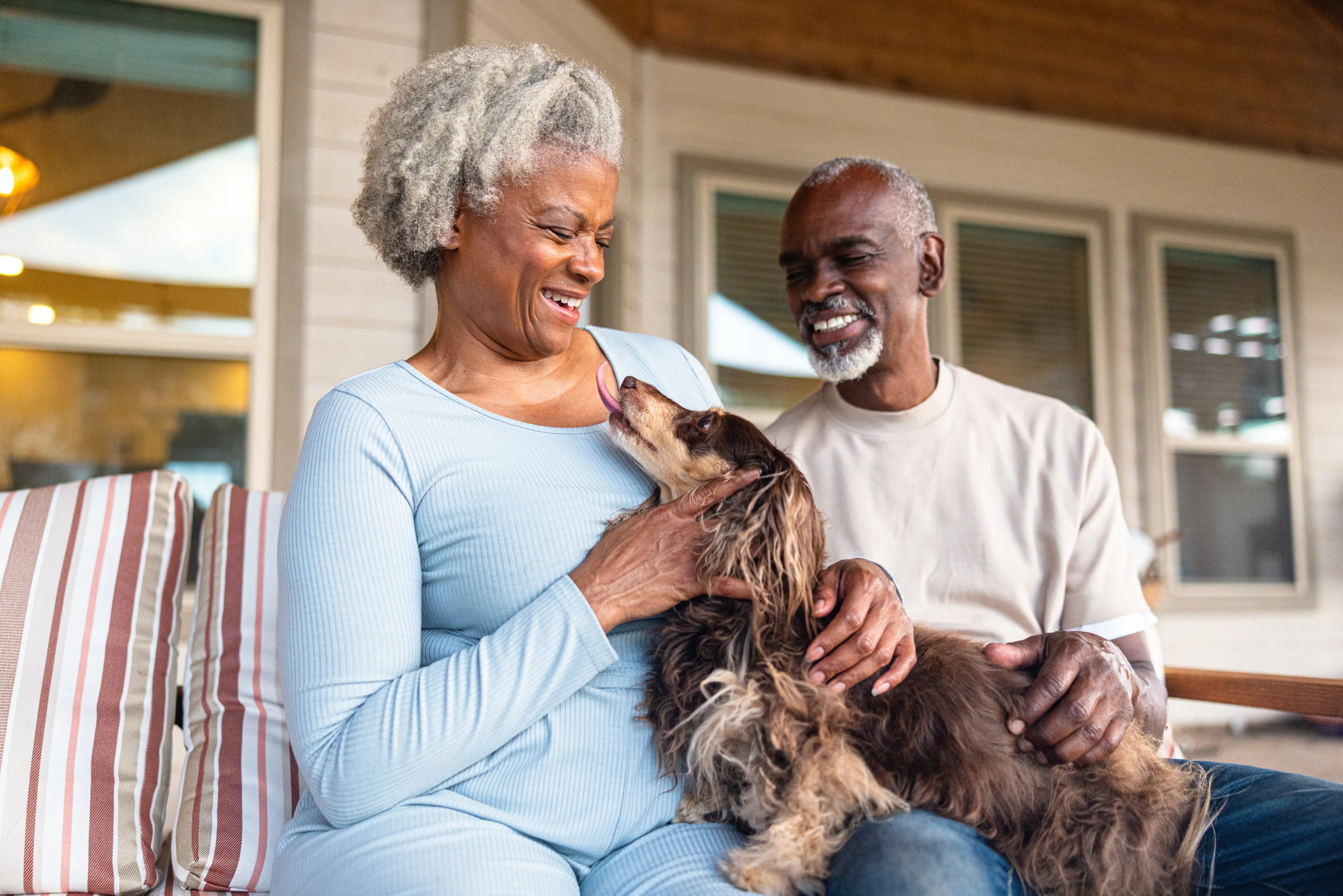
Cancer and arthritis create the most important health challenges in older dogs. Cancer affects 18.2% of senior dogs.
Senior pet care is an ongoing process that focuses on maintaining your senior pet's wellbeing, with regular veterinary care and insurance working together to support their health and happiness.
Arthritis, diabetes, and heart disease appear more frequently in older pets. These conditions require ongoing medical attention that can strain your budget.
This piece explores common health issues in ageing pets and warning signs to watch for. You’ll learn how exploring pet insurance options can help you provide the best care and ensure comprehensive coverage for your beloved companion as they age. With the right support, you can continue to care for your furry friend throughout their golden years.
How ageing affects your pet
Your pet's body undergoes gradual changes as years pass, and recognising these changes helps you prepare for their care needs. Understanding what happens during this phase makes it easier to distinguish between normal ageing and signs that require veterinary attention.
Physical changes you might notice
Greying hair appears first around your dog’s muzzle, eyes, and paws. Their coat may lose its shine and become dull or dry. Joint stiffness becomes evident after rest periods or cold weather, making it harder for your pet to jump into cars, climb stairs, or get through obstacles they once managed with ease.
Sensory decline progresses differently in each animal. Gradual declines in vision, such as cataracts and glaucoma, and hearing loss are common among aging pets. Your pet’s vision may worsen, causing them to bump into furniture or hesitate in dimly lit areas.
Nuclear sclerosis creates a whitish-blue haze in their eyes but doesn’t affect vision, unlike cataracts which do cause blindness. Hearing loss means they might miss familiar sounds or seem to ignore commands they followed before. Older pets may adapt to vision and hearing loss by relying more on their other senses.
Weight fluctuations occur due to metabolic changes. Some pets gain weight as their activity decreases, while others lose weight from poor digestion or reduced appetite.
Their skin becomes less elastic and delays wound healing. Learning about the healing stages of a dog wound can help you understand what normal recovery looks like and when to seek help. You might notice lumps or bumps developing that require veterinary examination.
Behavioural changes in senior pets
Sleep patterns move noticeably. Your pet may sleep longer during the day, struggle to settle at night, or experience restless sleep. Providing a comfortable environment with supportive bedding can help promote restful sleep and improve your senior pet’s overall well-being. Anxiety increases as physical limitations make them feel vulnerable around children or other animals who might cause them pain.
Cognitive dysfunction, similar to dementia in humans, can affect senior pets, leading to confusion and behavioral changes. Cognitive dysfunction syndrome affects memory, learning, and awareness. Your pet might appear disoriented in familiar places, get stuck behind furniture, or go to the wrong side of doors.
House soiling becomes more common, with accidents occurring despite routines that were once solid, sometimes even in their sleeping areas. It’s important to monitor changes in your pet’s litter box habits, as these can be early signs of health issues in senior pets.
Social interactions change too. Some pets become clingy and overdependent, while others withdraw from family members. Irritability develops as aching joints make them less tolerant of handling, and they may react unexpectedly in situations that never bothered them before.
When your pet becomes a senior
Size determines when your dog reaches senior status. Small dogs under 20 pounds become seniors between 10-12 years old. Medium-sized dogs reach this stage around 7 years. Large breeds enter their golden years as early as 6-8 years, while giant breeds like Great Danes may be senior from just 5 years old.
As dogs age, they face an increased risk of age-related health issues such as heart disease and cancer, making regular veterinary care especially important.
Cats reach senior status around 8 years of age. Cat ages are closely linked to kidney health, as aging can lead to chronic kidney disease (CKD) and related symptoms.
As your pet approaches these ages, thinking about senior pet insurance becomes worthwhile, as coverage for age-related conditions proves more available when you get it before health issues develop.
To help ensure a healthy future for your pet as they enter their senior pet's golden years, consider exploring senior pet insurance plans tailored to their needs. This can provide peace of mind and help you plan for comprehensive care and wellness throughout their later life.
Common health issues in ageing pets
Several common health concerns and age-related health issues become substantially more prevalent as your pet ages. Each requires different levels of veterinary intervention and financial planning.
Arthritis and joint problems
Osteoarthritis affects around 40% of dogs and up to 90% of cats over 12 years old. The condition causes cartilage deterioration and leads to bone-on-bone contact that creates pain and inflammation.
Cats mask symptoms differently than dogs. They show behavioural changes like reluctance to jump rather than obvious limping. A study revealed that 61% of older cats had radiographic evidence of osteoarthritis despite showing no visible pain. Excess weight adds harmful chemicals called adipocytokines that damage even non-weight bearing joints.
To support joint health and mobility in senior pets, it's important to maintain gentle exercise routines, think gentle walks, indoor play, and low-impact activities. These help keep your pet moving without overexertion.
Senior pet wellness also means tailoring exercise and weight management plans to your pet’s changing needs, helping them stay comfortable and happy as they age.
Heart disease
About 75% of senior dogs develop some form of heart disease, with 10% of all dogs affected during their lifetime. Valvular disease accounts for 80% of these cases, especially when affecting the left side valves. Congestive heart failure develops when the heart cannot pump well and causes fluid build-up in the lungs.
Cavalier King Charles Spaniels, toy poodles and chihuahuas face increased risk due to breed predisposition, and understanding how long Chihuahuas live and their health needs can help you plan appropriate care as they age.
Senior cats are also at risk for heart disease, with common symptoms including lethargy, difficulty breathing, coughing, and decreased appetite. A dedicated guide to coughing in cats and its causes can help you recognise when respiratory signs need urgent veterinary attention.
As with elderly dogs, age-related heart conditions in senior cats can lead to serious complications if not managed early.
Kidney disease
Chronic kidney disease progresses over time, it often shows symptoms only after substantial damage occurs. Your pet may drink too much, urinate more often, vomit, or lose weight.
Older pets face higher risk, and certain breeds like English Cocker Spaniels, Bull Terriers and German Shepherds show genetic susceptibility. Early detection through routine screenings proves vital to manage progression.
Cancer
Nearly 50% of dogs older than 10 develop cancer, with risk increasing about 20% every three years. Common types include lymphoma, mast cell tumours and osteosarcoma. Lymphoma causes up to 24% of all canine cancers.
Unspayed females face higher mammary gland carcinoma risk, while obesity-related insulin resistance may account for 25-30% of major cancers.
Dental disease
Periodontal disease ranks as the most diagnosed condition in UK cats and affects 15.2% each year. Cats aged 9-12 years face 6.7 times higher risk than those under three.
Untreated dental disease leads to chronic pain, tooth loss and potential organ damage when bacteria enter the bloodstream.
Obesity and weight management
Veterinary professionals estimate that 46% of dogs and 43% of cats are overweight or obese. Obesity predisposes pets to diabetes, respiratory disease and urinary disorders while worsening existing arthritis.
The condition becomes problematic in senior pets as reduced activity makes weight management challenging, especially compared to young animals, who are typically more active and maintain a healthier weight more easily. Yet maintaining healthy weight remains critical for joint health and longevity.
For senior pets, dietary adjustments are often necessary to meet their changing nutritional needs and support a healthy weight. It's important to discuss any dietary adjustments with your veterinarian to ensure your pet gets the right balance for their age and lifestyle.
Warning signs that need veterinary attention
Recognising early warning signs allows you to seek veterinary care before conditions worsen, potentially saving your pet’s life and reducing treatment costs.
Regular check-ups at your vet practice are even more crucial for senior pets, as they help identify potential problems early and ensure your pet gets the right support when they need it most.
Changes in eating and drinking habits
Keeping an eye on how much your pet eats and drinks is an important part of caring for their health, especially as they grow older. Changes in appetite or thirst can sometimes be early signs of an underlying health issue.
Regularly monitoring these habits helps you spot any changes sooner, so you can seek advice if needed and plan ahead for potential veterinary care. It’s a simple but effective way to stay one step ahead and support your senior pet’s wellbeing every day.
Excessive thirst and increased urination can signal kidney disease, diabetes, or hormonal imbalances. Weight loss despite increased appetite may point to diabetes or digestive issues.
Sudden weight loss in older cats often indicates serious health problems. In stark comparison to this, decreased appetite frequently accompanies dental disease, pain from arthritis, or systemic diseases like liver failure and cancer.
Mobility problems and stiffness
Stiffness after rest, limping, or reluctance to climb stairs suggests joint problems that need veterinary assessment. Watch for hesitation with jumps, slipping, or taking longer to lie down. Overweight pets struggle more with mobility. Extra weight worsens arthritis and joint discomfort.
Lumps, bumps and skin changes
Contact your vet every time you find a new lump, even if it appears harmless. Most lumps in senior pets are benign fatty tumours called lipomas, but only veterinary examination determines whether they're cancerous.
Changes in your pet's coat condition, such as thin, clumpy, dull, or greasy fur, may indicate nutritional deficiencies or health conditions, while scabs on your dog's skin can point to underlying allergies, parasites, or infections that need prompt attention.
Vision and hearing loss
Your pet might bump into furniture, struggle locating sounds, or stop responding to their name. Sudden blindness or deafness warrants immediate veterinary attention to assess severity and discuss management options.
How senior pet insurance helps with age-related conditions
Insurance policies designed for senior pets address the financial burden of age-related conditions through complete coverage options, similar to the broader pet insurance from Purely Pets that helps cover accidents, illnesses, and ongoing care.
Coverage for chronic conditions with lifetime policies
Lifetime insurance policies provide ongoing support for chronic conditions year after year. They prove especially valuable when your pet develops long-term ailments common in senior animals. These policies renew your vet fee limit each year, with coverage ranging from £1,000 to £15,000 depending on your chosen level of cover.
So chronic conditions like arthritis or diabetes receive continuous financial support throughout your pet's life, provided you renew each year without breaks in cover.
We offer no upper age limit when starting lifetime policies. This allows you to protect older pets who haven't previously been insured, much like our dedicated dog insurance with lifetime cover that supports veterinary treatment throughout your dog’s life.
Financial protection for diagnostic tests and treatments
Senior pet insurance covers expensive diagnostic procedures including MRI scans, CT scans, and ultrasounds, however MRI and CT scans do have inner limits on price so it is important to check your policy documents for further information.
Treating acute kidney failure costs around £3,500, plus £1,500 each year for ongoing management; this cost can vary from vet to vet depending on the treatment recommended by the vet.
Peace of mind for ongoing veterinary care
Vets recommend twice-yearly examinations for senior dogs as they become more susceptible to health ailments. Think over getting a quote for senior pet insurance through our website to ensure you’re prepared for unexpected health concerns.
You can get in touch with us on 0330 102 5748 if you’d like to talk to one of our senior pet insurance specialists—our experienced and friendly team is dedicated to helping keep your senior pet happy and healthy, so you can enjoy peace of mind knowing they’re well cared for in their golden years.
Protection against pre-existing condition exclusions
Some insurers review pre-existing conditions case-by-case rather than excluding them automatically. Certain resolved conditions may gain full coverage after symptom-free periods, whilst chronic lifelong conditions like arthritis typically remain excluded.
Starting insurance before health issues develop protects against future exclusions, and understanding exactly what dog insurance typically covers helps you choose the right policy for your pet’s long-term needs.
Conclusion
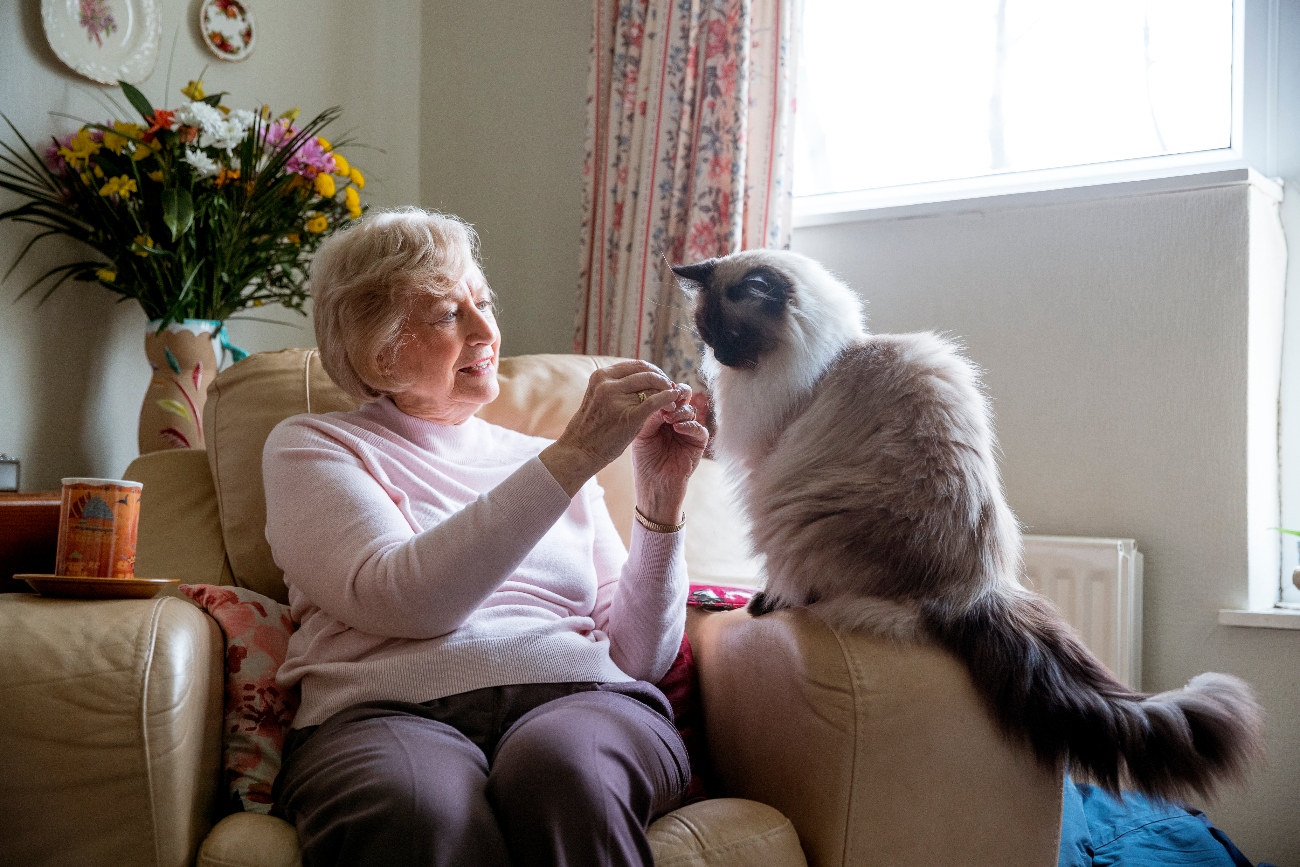
As pets grow older, they may face a range of health challenges, from arthritis and dental issues to more serious conditions such as cancer. Each of these can bring unexpected veterinary costs, which is why having the right insurance in place can make such a meaningful difference.
A suitable policy can help cover the costs of diagnostic tests, treatments, and ongoing care, offering valuable financial protection throughout your pet’s golden years, and giving you peace of mind to focus on what matters most: their comfort, happiness, and quality of life.
If you’re thinking about senior pet insurance, you can get a quote directly through our website or speak to one of our friendly specialists on 0330 102 5748. Taking this step now can help ensure you’re prepared for the unexpected, and free to focus on enjoying every precious moment with your much‑loved companion.
Helpful Pages
Recent Posts
Pet Insurance Quote
- 98% claims paid *
- Claims paid directly to vets
- 24/7 vet video consultations
- Interest free monthly payments