
How can I stop my neighbour feeding my cat?
4th September, 2026
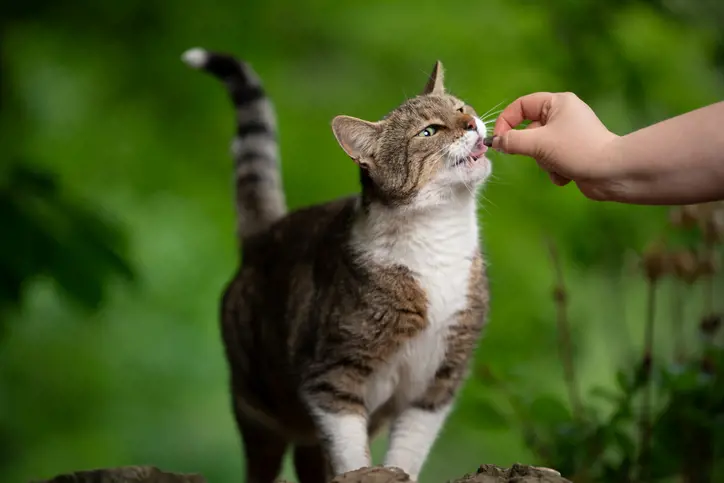
It can be frustrating to discover your cat is eating meals elsewhere. While neighbours are often acting with kindness, feeding someone else’s pet can affect their health, behaviour, and routine. Cats are naturally curious and opportunistic, so even well-fed pets may seek out extra meals if they are available.
If your neighbour is feeding your cat, the most effective solution is to speak to them politely, explain your cat’s dietary needs, and ask them to stop. Additional steps such as using a collar tag, maintaining a feeding routine, and monitoring your cat’s behaviour can help prevent further feeding while keeping relationships positive.
Understanding how to manage the situation calmly is key. This guide explains why neighbours feed cats, the risks involved, what UK law says, and how to address the issue while protecting your cat’s wellbeing.
Why do people feed someone else’s cat?
There are several common reasons:
-
They believe the cat is a stray
-
They think the cat looks hungry
-
They enjoy spending time with visiting cats
-
Your cat actively seeks out food
Cats can be very persuasive when asking for food, even if they have already eaten and many people may not realise their actions could negatively affect the cat’s health or routine.
Why is it a problem if someone else feeds your cat?
Health risks
One of the biggest concerns is overfeeding, those extra treats and meals can soon add up, especially if your cat is visiting more than one household. In the UK, more than one in three cats are overweight or obese.
This can increase the risk of:
-
Diabetes
-
Arthritis
-
Heart disease
-
Liver problems
-
Breathing difficulties
Even small amounts of extra food can gradually lead to weight gain and long-term health issues.
Dietary issues
Your cat may:
-
Be on a vet-recommended diet
-
Have allergies or sensitivities
-
Require controlled feeding for medical conditions
Feeding unsuitable foods can disrupt these requirements and affect your cat’s wellbeing.
Behavioural impact
If your cat is regularly fed elsewhere, they may:
-
Spend more time away from home
-
Become less interested in meals you provide
-
Associate another home with food and comfort
This can cause confusion and affect your bond.
How can you tell if your neighbour is feeding your cat?
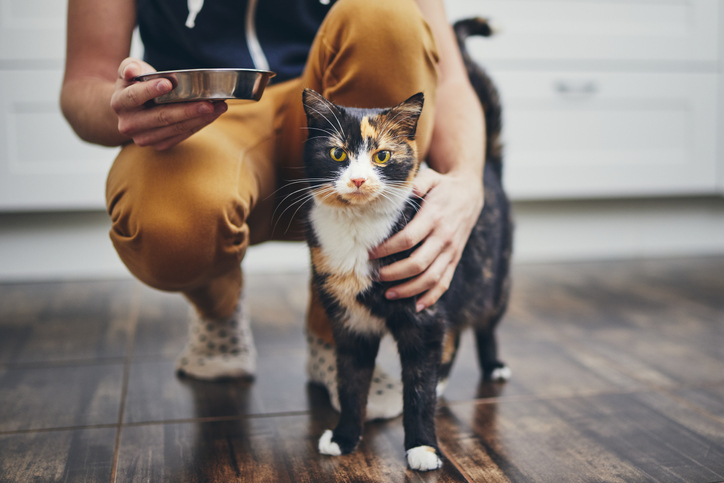
Look out for these signs:
-
Weight gain or changes in body shape
-
Reduced appetite at home
-
Spending longer periods away
-
Changes in behaviour or routine
-
Returning home smelling unfamiliar
A cat that appears full when returning home is often being fed elsewhere.
What should you do if your neighbour is feeding your cat?
Start with a friendly conversation
Approach your neighbour calmly and politely:
-
Thank them for caring about your cat
-
Explain your cat’s dietary needs
-
Share any health concerns
-
Clearly ask them not to feed your cat
In many cases, a friendly conversation is all that's needed. Your neighbour may not realise your cat already has a carefully managed diet or feeding routine.
Use a collar or identification
A collar tag stating “Please do not feed me” can help reinforce your message and prevent misunderstandings.
Adjust your cat’s routine
You can help reduce your cat’s desire to seek food elsewhere by:
-
Feeding at consistent times
-
Providing enrichment at home
-
Increasing playtime and interaction
Monitor health and behaviour
Keep track of your cat’s weight and feeding habits. If concerns arise, consult your vet.
If your cat develops a health condition linked to diet or weight, having appropriate cover in place may help with treatment costs. You can explore cat insurance cover to understand how policies support veterinary care.
Cat feeding laws in the UK
Understanding the legal position can help you approach the situation more confidently.
Is it illegal for someone to feed your cat?
There is no specific UK law that prevents someone from feeding another person’s cat.
However, this does not mean there are no legal considerations.
Cats are considered property
Under UK law, cats are classified as property. This means they legally belong to their owner, even if they roam freely.
Responsibility for welfare
As a pet owner, you are responsible for ensuring your cat’s welfare needs are met, including providing a suitable diet.
This can become more difficult if another person interferes with feeding routines.
Potential legal issues
In rare cases:
-
If someone intentionally keeps or prevents the return of your cat, it could be considered theft
-
If ongoing feeding leads to disputes or financial loss (such as vet bills), it may become a civil matter
Cats Protection also highlights that feeding someone else’s cat can cause confusion about where the cat belongs and may affect its wellbeing.
The RSPCA advises that feeding other people’s pets can be harmful, particularly if the animal is on a specific diet or has medical needs.
They recommend trying to identify whether a cat has an owner before feeding it.
What if your neighbour refuses to stop?
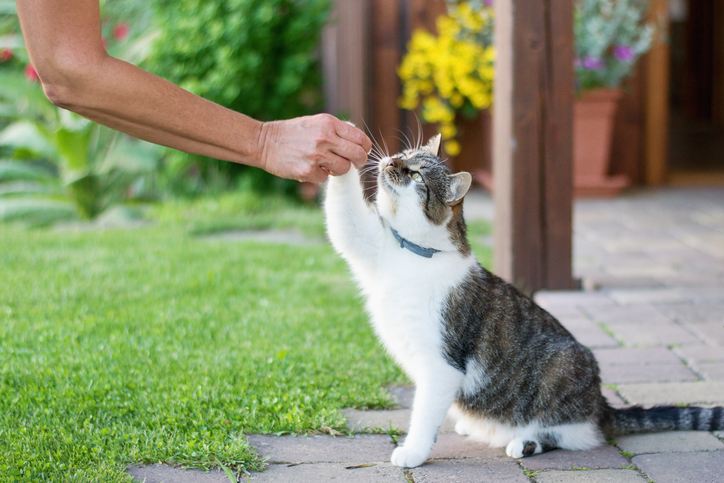
If the issue continues:
-
Politely repeat your request
-
Explain any medical or dietary requirements
-
Consider reducing your cat’s access to outside areas
-
Keep a record of any concerns if the situation escalates
In most cases, maintaining a calm and respectful approach leads to the best outcome.
How to help your cat maintain a healthy diet
A balanced diet is important for your cat’s long-term health.
A healthy cat should:
-
Maintain a visible waistline
-
Have ribs that can be felt without excess fat
-
Stay at a consistent weight
Gradual weight gain can be difficult to notice but may lead to serious health conditions if left unmanaged.
If treatment is required, you can find more information about policy options on the Purely Pets homepage or explore support via the FAQs section.
For pet owners managing more than one animal, reviewing available cover options can also help ensure consistent care across your household.
Related internal resources
-
Understand cover options for your cat: Cat insurance
-
Learn more about protecting your pet’s health: Purely Pets homepage
-
Find answers to common queries: FAQs
-
Manage your policy and stay in control: Existing customer portal
These pages provide additional support for managing your pet’s wellbeing and insurance needs.
Conclusion
Finding out that your neighbour is feeding your cat can be frustrating, but it's usually done with good intentions. A calm conversation, clear communication about your cat's needs and a few practical steps at home can often solve the problem quickly.
Most importantly, keeping your cat on a healthy, consistent diet will help support their wellbeing for years to come. By understanding the risks, knowing your rights under UK law, and taking a calm, practical approach, you can protect your cat’s health and routine.
Clear communication, consistent feeding habits, and simple preventative measures usually resolve the issue while maintaining positive relationships with those around you.
Frequently asked questions
No, there is no specific law preventing someone from feeding another person’s cat. However, cats are legally considered property, and their owner is responsible for their care.
Yes. Overfeeding or providing unsuitable food can lead to obesity, digestive issues, and complications with existing health conditions.
Cats may seek additional food due to habit, curiosity, or because they are encouraged by others. They may also enjoy the attention and interaction they receive.
Speak to them politely, explain your cat’s needs, and clearly request that they stop. Most people will respond positively once they understand the situation.
Common signs include weight gain, reduced appetite at home, and changes in behaviour or routine.
If your cat develops a health condition related to diet or weight, it may require veterinary treatment. Reviewing your cat insurance policy can help you understand what is covered and how claims are handled.
Helpful Pages
Recent Posts

Pet Insurance Quote
- 98% claims paid *
- Claims paid directly to vets
- 24/7 vet video consultations
- Interest free monthly payments