
What pet owners get wrong about dog insurance
8th June, 2026
Why dog insurance confuses so many owners
Dog insurance is one of the most misunderstood parts of responsible pet ownership. Many owners skip it, delay it, or buy the wrong policy simply because of myths they’ve heard online. Many pet owners worry about unexpected vet bills and the financial strain they can cause.
This guide breaks down the biggest misconceptions about dog insurance and explains what’s actually true — so you can make the decision suited for your dog’s health and your wallet.
Insurance policies and cover levels vary depending on factors like your dog's age, breed, and health conditions. Be sure to read your policy documents carefully to understand what is and isn't covered.
“My dog is healthy — I don’t need insurance yet.”
Many owners assume dog insurance is only necessary when a dog becomes ill. In reality, insurers won’t cover pre‑existing conditions, meaning any issue that appears before a policy is active is excluded.
A pet's age and pet's breed both influence insurance costs and coverage options, as certain breeds may have specific health risks and age can affect policy pricing and eligibility. Accidents and illnesses can happen at any age, so insurance is important even for healthy pets.
The truth about needing dog insurance
Healthy dogs are easier — and cheaper— to insure. Waiting until symptoms appear often leads to:
-
Higher monthly premiums
-
Exclusions on new conditions
-
Restricted coverage
-
Declined applications
“Vet care isn’t that expensive.”
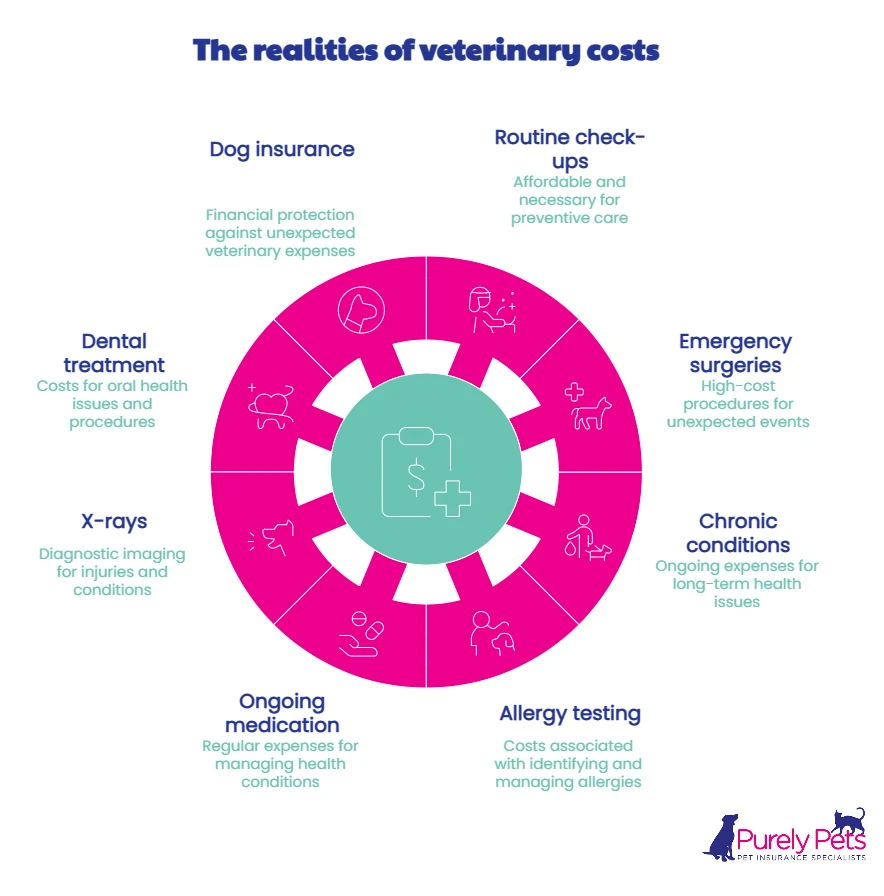
Routine check‑ups may be affordable, but emergencies and chronic conditions quickly add up. Routine check-ups aren’t covered by dog insurance policies so many dog owners underestimate the scope of veterinary costs.
Typical expenses include
-
Swallowed foreign object surgery
-
Leg fracture treatment
-
Allergy testing
-
Ongoing medication
-
X-rays
-
Dental treatment
Dog insurance can help protect against these unexpected, high-cost situations. Dental treatment in particular isn’t always covered by insurance. In particular, our insurance only covers accidents for year 1 and dental illness cover from year 2 of the policy being in place.
“I’ll just save money instead of paying for insurance.”
Savings are smart — but not a replacement for insurance. Even saving £20–£30 per month won’t prepare most owners for a sudden £2,000–£4,000 emergency bill.
The problem with relying on savings alone
-
Emergency vet bills can happen before savings grow
-
Chronic illnesses require ongoing, long-term treatment
-
One injury can wipe out an entire savings pot
“Dog insurance covers everything.”
This assumption leads to the biggest disappointment. No policy covers every situation.
What’s usually not covered
-
Routine vaccinations
-
Grooming
-
Dental cleaning
-
Elective procedures
-
Pre-existing conditions
-
Pregnancy or breeding care
Choosing the right cover level is important.
“Only older dogs need insurance.”
Ironically, older dogs are more expensive to insure and often come with more exclusions.
The truth about the cost of dog insurance
In many cases, younger dogs tend to qualify for lower prices and more flexible coverage.
“The cheapest policy is fine — they’re all the same.”
Not true. Dog insurance policies differ widely in:
-
Cover limits
-
Vet fee caps
-
Whether chronic conditions reset each year
-
Excess fees
-
Reimbursement amounts
-
Cover for long-term illnesses
It’s better to focus on value, not price.
Final thoughts
Dog insurance isn’t just a financial product — it’s protection, peace of mind, and long-term support for your dog’s health. Understanding the common myths helps you avoid costly mistakes and choose a policy that truly works when you need it most. To get a dog insurance quote for your beloved pet you can get a quote through our website. If you would like to talk to one of our dog insurance team, you can get in touch with us on 0330 102 5748.
Helpful Pages
Recent Posts




Pet Insurance Quote
- 98% claims paid *
- Claims paid directly to vets
- 24/7 vet video consultations
- Interest free monthly payments